Combining chemical acaricide strips with mechanical mite-removal equipment is recommended because it creates a powerful synergistic effect that surpasses the efficacy of either method used alone. While mechanical devices physically remove the bulk of the parasitic load during the active brood-rearing phase, chemical treatments act as a cleanup mechanism to eliminate the remaining, resilient mite populations.
By integrating mechanical mass-removal with targeted chemical application, producers can effectively maintain infestation levels below the critical 3% economic threshold. This strategy not only protects immediate yield but is essential for slowing the development of drug resistance, thereby extending the useful lifespan of existing chemical treatments.
The Mechanics of the Synergistic Approach
The Role of Mechanical Equipment
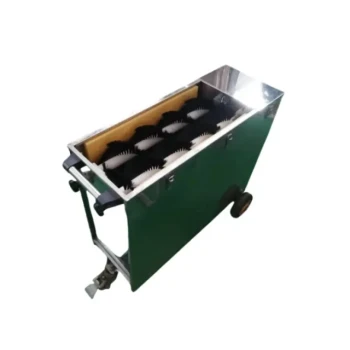
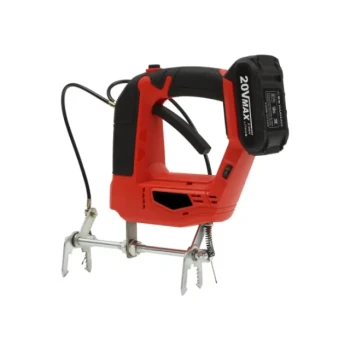
Mechanical devices, such as frame-feeders or pollen catchers, serve as the first line of defense in this integrated strategy. Their primary function is the large-scale physical removal of mites during the brood-rearing phase. By reducing the overall parasite population density mechanically, you significantly lower the burden on the colony before chemical agents are introduced.
The Precision of Chemical Treatments
Once mechanical methods have reduced the bulk of the infestation, chemical acaricide strips are deployed to finish the job. Their role shifts from general population control to targeted elimination. They are specifically used to scour the hive of the resilient mite populations that managed to evade the mechanical removal process.
Strategic Long-Term Benefits
Slowing Drug Resistance
One of the most critical reasons for adopting this combined approach is the mitigation of drug resistance. Over-reliance on chemicals alone forces mite populations to adapt, rendering treatments ineffective over time. By reducing the reliance on a single mode of action, this integrated approach effectively slows the development of resistance, ensuring that chemical agents remain functional and effective for longer periods.
Maintaining Economic Viability
Commercial honeybee production relies on keeping parasite loads manageable to ensure hive productivity. This combined method is designed to keep mite infestation levels consistently below the 3% economic threshold. Maintaining levels below this specific percentage is vital for preserving the colony's health and ensuring the commercial operation remains profitable.
Understanding the Trade-offs
Operational Complexity
While highly effective, this approach introduces increased operational complexity compared to a single-method strategy. It requires the procurement, maintenance, and management of both chemical inventory and mechanical hardware like frame-feeders.
Timing Dependencies
The success of this synergy relies heavily on proper timing, particularly regarding the brood-rearing phase. Mechanical removal is most effective during specific biological cycles of the hive. Misaligning the mechanical intervention with the chemical application can reduce the synergistic benefit, potentially leaving infestation levels above the desired target.
Optimizing Your Mite Management Strategy
To implement this effectively, assess your current infestation levels and long-term goals.
- If your primary focus is Resistance Management: Use mechanical removal as your baseline control to minimize the selection pressure placed on mite populations by chemical agents.
- If your primary focus is Commercial Yield: Strictly monitor infestation levels to ensure the combined methods keep the parasite load below the 3% economic threshold.
Effective pest management is not about choosing the strongest chemical, but about layering different control methods to create a sustainable defense system.
Summary Table:
| Feature | Mechanical Equipment (First Line) | Chemical Acaricide Strips (Cleanup) |
|---|---|---|
| Primary Function | Large-scale physical removal of mites | Targeted elimination of resilient populations |
| Optimal Timing | Active brood-rearing phase | Post-mechanical mass removal |
| Key Benefit | Reduces parasite density without chemicals | Ensures infestation stays below 3% threshold |
| Long-term Impact | Slows development of drug resistance | Maintains colony health and commercial profit |
Elevate Your Commercial Apiary with HONESTBEE
Protect your honeybee colonies and maximize your yields by implementing a professional, integrated pest management strategy. As a dedicated partner to commercial apiaries and distributors, HONESTBEE provides the full spectrum of tools you need—from high-performance chemical acaricide strips to specialized hive-making and honey-filling machinery.
Our comprehensive wholesale offering is designed to streamline your operations and ensure long-term sustainability. Whether you require essential consumables or advanced beekeeping hardware, we deliver the quality and expertise your business deserves.
Ready to optimize your production? Contact us today to explore our full range of beekeeping equipment and industrial solutions!
References
- В.К. Пестис, A. N. Krichevtsova. Modern technologies for conducting beekeeping in the Republic of Belarus on the background of varroatous invasion. DOI: 10.29235/1817-7204-2022-60-1-59-68
This article is also based on technical information from HonestBee Knowledge Base .
Related Products
- Compact Circular Bee Mite Treatment Dispenser
- Adjustable Formic and Acetic Acid Dispenser for Bee Mite Treatment
- Commercial Grade Vertical Electric Bee Sweeper for Bee Removal
- High Performance Cordless Electric Bee Shaker for Beekeeping
- Heavy-Duty Ergonomic Grip Galvanized Pollen Shovel
People Also Ask
- What is the function of specialized prevention consumables? Protect Hives from Varroa Mites & European Foulbrood
- What is the function of specialized application devices for Varroa? Precision Control for Healthier Bee Colonies
- What technical factors influence chemical Varroa treatments? Optimize Your Hive Health with Precise Timing
- How do different application forms of oxalic acid or formic acid affect Varroa mite treatments? Maximize Your Hive Efficacy
- Why is glycerin used in oxalic or formic acid for Varroa mite control? Unlock Better Efficacy and Slow Release