Mechanized beehive transport equipment provides the speed and logistical flexibility necessary to navigate the critical conflict between agricultural pest control and pollination services. It allows commercial beekeepers to rapidly evacuate large numbers of colonies from danger zones prior to pesticide application and reintroduce them only after chemical toxicity levels have subsided.
The core value of mechanized transport is that it transforms a static apiary into a mobile asset. By enabling the swift relocation of hives during chemical treatment windows, this technology ensures that high-yield pollination services can coexist safely with intensive crop protection measures.
Operational Flexibility and Pest Management
Rapid Relocation Capabilities
Manual relocation of bee colonies is too slow to keep pace with modern agricultural spraying schedules. Mechanized equipment enables the simultaneous loading and movement of hundreds of hives in a short timeframe.
This speed is the primary defense against chemical exposure. It allows apiarists to clear a field completely before pest control operations begin, ensuring zero exposure for the foraging workforce.
Synchronizing with Spray Schedules
Effectiveness in high-input agriculture relies on precise timing. Mechanized transport allows beekeepers to reintroduce colonies exactly when the toxicity of the applied pesticides has dropped to safe levels.
This responsiveness ensures that crops receive pollination services during peak flowering windows without compromising the long-term health of the hive.
The Technical Requirements for Mobility
Standardization Enables Mechanization
To achieve rapid mobility, the physical hive equipment must be compatible with automated loaders and transport trucks. High-precision manufacturing ensures hive components have completely uniform specifications.
Without this standardization, mechanized loading is impossible. Uniform dimensions allow for stable stacking and securement, which is a technical prerequisite for moving large-scale commercial apiaries quickly.
Securing the Hive Structure
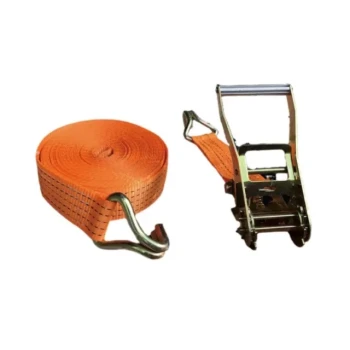
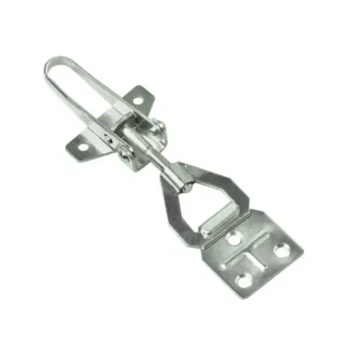
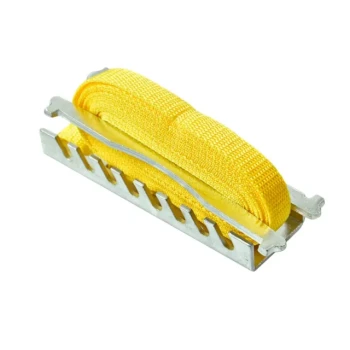
Rapid transport requires specialized reinforcement hardware to lock hive bodies and frames securely. This prevents the physical structure of the hive from shifting or collapsing during the vibration of transit.
This hardware is essential for preventing physical damage to the comb and brood. It ensures that the colony remains intact even when moved over long distances or rough terrain to escape a spray zone.
Preserving Pollinator Efficiency
Minimizing Transport Stress
Moving hives creates stress for the colony, which can temporarily reduce their ability to pollinate. Professional transport systems utilize handling brackets and specialized suspension to dampen vehicle vibrations.
By reducing physical shock, these tools minimize stress responses in the bees. This protection is critical when moving bees frequently to avoid multiple pesticide applications across a season.
Immediate Foraging Recovery
The goal of relocation is not just survival, but operational readiness. Properly secured and cushioned transport ensures that colonies retain their "foraging vitality" upon arrival.
Bees that are not stressed or damaged during transit can resume pollination duties almost immediately upon re-entry. This maintains high pollination efficiency exactly when the crop needs it most.
Understanding the Trade-offs
Capital Intensity vs. Operational Agility
While mechanization offers superior protection against pesticides, it requires a significant upfront investment in specialized vehicles, loaders, and standardized hive bodies. Smaller operations may find the cost prohibitive compared to the risk of stationary management.
The Rigidity of Standardization
To utilize mechanized transport effectively, an apiary must commit to strict equipment standardization. This eliminates the ability to use non-standard or makeshift equipment, requiring a complete overhaul of inventory for legacy operations.
Dependency on Logistics
Relaying on evacuation for pest control introduces a single point of failure: the transport machinery itself. Mechanical failure of a loader or truck during a critical spray window can leave an entire apiary stranded and vulnerable to chemical exposure.
Optimizing Your Pollination Strategy
To effectively manage pollination in high-risk pest control zones, align your equipment choices with your specific operational goals:
- If your primary focus is rapid evacuation: Prioritize high-capacity transport vehicles and automated loading systems to minimize the time required to clear a field.
- If your primary focus is colony health: Invest in specialized reinforcement hardware and vibration-dampening brackets to ensure bees recover immediately after frequent moves.
- If your primary focus is operational scale: Commit to high-precision, standardized hive manufacturing to ensure compatibility with all mechanized loading and stacking infrastructure.
Success in modern pollination management requires viewing the hive not just as a biological unit, but as a modular component of a larger, mobile logistical system.
Summary Table:
| Feature | Impact on Pollination Management | Key Benefit |
|---|---|---|
| Rapid Relocation | Enables evacuation before pesticide spraying | Zero chemical exposure for foragers |
| Equipment Standardization | Allows for automated loading and stable stacking | Faster transit times and higher capacity |
| Reinforcement Hardware | Locks hive bodies and frames during vibration | Prevents brood damage and colony stress |
| Precision Scheduling | Reintroduction immediately after toxicity drops | Maximizes pollination during peak flowering |
| Handling Brackets | Dampens vehicle vibrations and physical shock | Ensures immediate foraging recovery post-move |
Scale Your Pollination Business with HONESTBEE
Transitioning to a mobile apiary model requires precision and reliability. At HONESTBEE, we empower commercial apiaries and distributors with the specialized infrastructure needed for modern, mechanized beekeeping.
Our comprehensive wholesale range includes:
- High-Precision Hive Components: Standardized for seamless mechanized loading.
- Advanced Machinery: From hive-making to honey-filling systems.
- Durable Hardware: Specialized brackets and reinforcement tools for safe, high-speed transport.
Maximize your operational agility and protect your assets. Contact HONESTBEE today to discover how our professional-grade equipment and machinery can transform your beekeeping logistics.
References
- José Nunes Pinheiro, Breno Magalhães Freitas. EFEITOS LETAIS DOS PESTICIDAS AGRÍCOLAS SOBRE POLINIZADORES E PERSPECTIVAS DE MANEJO PARA OS AGROECOSSISTEMAS BRASILEIROS. DOI: 10.4257/oeco.2010.1401.16
This article is also based on technical information from HonestBee Knowledge Base .
Related Products
- Automatic High-Speed Bee Hive Box Stapling Machine
- Durable Plastic Interlocking Hive Connector for Beekeeping
- High-Efficiency Pneumatic Bee Hive Making Machine for Rapid Box Assembly
- Plastic Transporting Bee Packages and Nuc Boxes for Beekeeping
- Heavy Duty Ratchet Hive Strap
People Also Ask
- How is the Bee Box machine adjusted for different box sizes? Maximize Your Woodworking Versatility and Precision
- How is the Bee Box machine operated? Optimize Your Commercial Hive Production with Scalable Staffing Solutions
- How was the Bee Box machine designed? Industrial Engineering for High-Volume Beekeeping Production
- What is the production capacity of the Bee Box machine? Boost Output up to 1,000 Boxes Daily
- What are the power requirements and control system for the Bee Box machine? Optimize Your Apiary Equipment Production