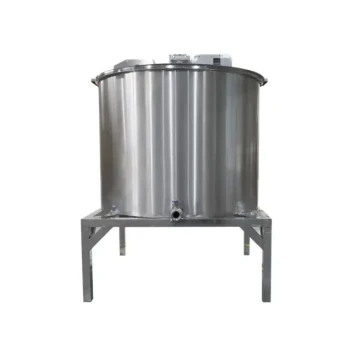
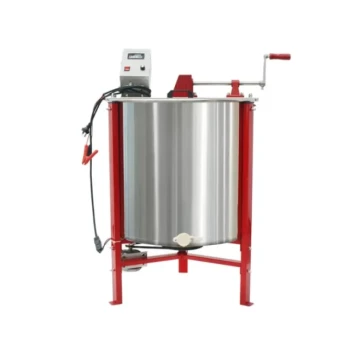
Professional honey extraction and filling machinery constitutes the critical infrastructure required to bridge the gap between raw apiary production and the rigorous demands of the commercial market. While traditional methods may suffice for hobbyists, industrial-grade equipment is essential for supplying raw materials to the food, cosmetic, and pharmaceutical industries. It ensures that sensitive bee products retain their natural therapeutic properties while achieving the hygiene standards and production volumes necessary for profitability.
Core Takeaway: Industrial processing is not merely about speed; it is about standardization and preservation. Professional machinery transforms variable agricultural yields into consistent, high-purity commodities that meet strict international safety regulations and bioactive quality requirements.
Preserving Bioactive Integrity
The primary value of bee products—such as honey, bee pollen, and royal jelly—lies in their nutritional and medicinal compounds.
Retaining Therapeutic Properties
Industrial-grade extraction equipment is engineered to preserve the anti-inflammatory and antibacterial effects of raw bee products. Unlike manual methods which may expose products to inconsistent conditions, professional machinery maintains the natural nutritional profile required by the pharmaceutical and cosmetic sectors.
Adhering to Seasonal Windows
Honey and beeswax are biological products subject to strict harvest timelines. Professional machinery ensures rapid processing during these specific production nodes, preventing the honey from becoming over-ripe or degrading while still in the hive.
Minimizing Physical Degradation
Advanced centrifugal extraction and filtration systems remove impurities without subjecting the honey to damaging heat or excessive agitation. This results in high-purity honey that retains its premium market value and grading.
Ensuring Hygiene and Market Compliance
For bee products to enter formal commercial markets, they must meet rigorous food safety and hygiene regulations.
Eliminating Secondary Pollution
Manual handling is the leading cause of contamination in food processing. Automated filling systems effectively isolate the product during packaging, significantly reducing the risk of secondary pollution from human contact or environmental factors.
Meeting International Standards
Specialized processing facilities provide the hygienic environment necessary to obtain official health inspection seals. This compliance is a mandatory prerequisite for entering global supply chains and large-scale retail markets.
Achieving Consistency
Automated machinery ensures that every unit produced meets the same specification. This consistency in viscosity, appearance, and hygiene is essential for building trust with distributors and end consumers.
Maximizing Efficiency and Scalability
To transition from a small-scale operation to a viable agricultural enterprise, throughput must increase while waste decreases.
Precision Quantitative Packaging
Automated filling machines deliver high-precision dosing, which minimizes product loss during dispensing. This reduces financial waste and ensures standardized weights across all packaged goods.
Reducing Labor Dependency
By replacing labor-intensive manual tasks with mechanized operations, producers can significantly increase processing speeds. This allows enterprises to maximize yield per hive and reallocate labor to colony management rather than processing.
Understanding the Trade-offs
While professional machinery is essential for growth, it introduces specific challenges that operators must manage.
Capital Intensity vs. Output
Investing in industrial machinery requires significant upfront financial capital. Beekeepers must ensure their production volume is sufficient to amortize these costs, or the equipment will become a financial burden rather than an asset.
Maintenance and Complexity
Moving from manual tools to automated systems introduces technical complexity. Operators must adhere to strict maintenance schedules to ensure equipment longevity and prevent costly downtime during critical harvest windows.
Making the Right Choice for Your Goal
- If your primary focus is Pharmaceutical or Cosmetic Supply: Prioritize extraction equipment with advanced filtration and temperature controls to guarantee the retention of bioactive, therapeutic properties.
- If your primary focus is International Export: Invest in automated filling systems that ensure absolute hygiene compliance and standardized packaging to meet cross-border regulatory requirements.
- If your primary focus is Scaling Production: Focus on high-throughput centrifugal extractors to minimize labor costs and maximize the speed of harvest during tight seasonal windows.
Professional machinery is the catalyst that converts a raw agricultural effort into a sustainable, scalable, and globally competitive business.
Summary Table:
| Feature | Manual/Traditional Methods | Professional Industrial Machinery |
|---|---|---|
| Purity & Quality | Risk of contamination; inconsistent quality | High-purity output; preserves bioactive integrity |
| Hygiene Standards | Difficult to meet international regulations | Automated isolation; meets global safety standards |
| Output Speed | Slow; labor-intensive; seasonal bottlenecks | High-throughput; maximizes seasonal harvest windows |
| Packaging Precision | High waste; inconsistent filling weights | Quantitative precision; minimizes product loss |
| Market Reach | Local/small-scale distribution | Global supply chains; pharmaceutical & cosmetic grade |
Elevate Your Apiary to Industrial Excellence with HONESTBEE
Transitioning from raw production to the global commercial market requires more than just hard work—it requires the right infrastructure. HONESTBEE specializes in empowering commercial apiaries and distributors with high-performance machinery designed for the rigorous demands of the honey industry.
Our value to your business includes:
- Comprehensive Equipment Range: From high-capacity centrifugal extractors to precision honey-filling and hive-making machines.
- Industrial Scalability: Tools and hardware designed to maximize yield and reduce labor costs for large-scale operations.
- Global Compliance: Professional-grade machinery that ensures your products meet the hygiene and quality standards required for pharmaceutical, cosmetic, and food-grade exports.
- Full Spectrum Supply: We provide everything from heavy machinery to essential industry consumables and honey-themed cultural merchandise.
Ready to scale your production and secure your place in the global market?
Contact HONESTBEE Today to Discuss Your Wholesale Requirements
References
- Olatz Etxegarai-Legarreta, Valeriano Sanchez‐Famoso. The Role of Beekeeping in the Generation of Goods and Services: The Interrelation between Environmental, Socioeconomic, and Sociocultural Utilities. DOI: 10.3390/agriculture12040551
This article is also based on technical information from HonestBee Knowledge Base .
Related Products
- Precision Durable Efficient HONESTBEE Rotary Honey Filling Machine
- Commercial Rotary Honey Filling Machine for Production
- Fully Automatic Honey Filling Packaging Machine for Processing Line
- Automatic Honey Filling and Filtering Machine for Beekeeping Bottle Filling
- HONESTBEE 72 Frame Industrial Electric Honey Extractor for Beekeeping
People Also Ask
- How do high-precision honey filling machines ensure quality? Optimize Your Commercial Production with HONESTBEE
- How do honey filling machines work? Achieve Precision & Speed for Your Apiary
- What is a key feature of the new generation of the honey filling machine? The Advanced Electronic Control Unit
- What quality control role does professional honey filling equipment perform? Ensure Consistency and Product Stability
- How do honey filling and processing machines aid native bee product conservation? Boost Value with HONESTBEE Technology