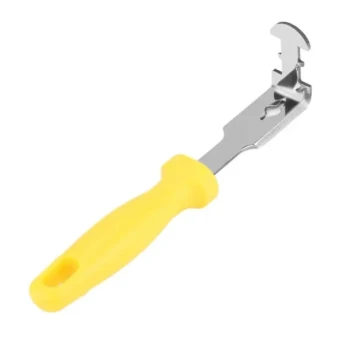
Professional refining equipment is the undisputed cornerstone of value creation in the modern apiary business. By utilizing controlled temperatures and specialized filtration systems, this technology strips raw propolis of physical contaminants such as beeswax, wood chips, and insect debris. This primary purification is not merely a cleaning step; it is the mandatory prerequisite for any subsequent deep-processing techniques, such as ethanol or ultrasound-assisted extraction.
The precision of your refining equipment directly dictates the marketability of your final product. It bridges the critical gap between raw agricultural by-products and the high-value, standardized ingredients demanded by pharmaceutical and high-tech industries.
Transforming Raw Material into Marketable Assets
Establishing the Foundation for Processing
Raw propolis, as harvested directly from the hive, is chemically complex and physically dirty. The primary reference emphasizes that professional refining is the essential foundation for all further processing. Without effectively removing solid impurities first, advanced extraction methods cannot function correctly.
Determining Market Value
The efficiency of your filtration system is the primary driver of revenue. The purity specifications achieved during this stage determine the grade of the propolis. Higher purity leads directly to higher market value, separating commercial-grade consumables from low-value raw scrapings.
Preserving Bioactive Integrity
Maximizing Chemical Potency
While traditional manual extraction is possible, it is inefficient and risks degrading the product. Modern machinery is designed to maximize the preservation of bioactive compounds. This ensures that delicate components are not lost due to improper handling or fluctuating environmental conditions during processing.
Meeting Clinical Standards
For propolis to enter the pharmaceutical market, it must meet rigorous standards. High-purity separation equipment, such as supercritical extraction systems, allows producers to isolate specific bioactive components like flavonoids. This precision ensures the product reaches the safety levels and concentration consistency required for clinical medications.
Operational Scalability and Colony Health
Increasing Yield and Cleanliness
Advanced equipment extends beyond the factory floor to the hive itself. Specialized collection tools and nets simulate natural crevices, encouraging bees to secrete more propolis while minimizing contaminants. This yields high-purity raw material significantly better than traditional scraping methods, which often introduce wood shavings and damage hive structures.
Ensuring Biological Safety
For commercial operations managing high-density colonies (300 to 500 hives), equipment includes industrial-grade disinfection systems. Deep treatment of empty hives eliminates residual pathogens and parasites. This hardware is critical for preventing cross-infection and maintaining the long-term biological viability of the apiary.
Understanding the Investment Trade-offs
Capital Intensity vs. Output Quality
Moving from manual processing to professional refining requires significant capital investment in hardware. While this raises the barrier to entry, it is the only path to accessing high-margin pharmaceutical markets. Small-scale operators must weigh this cost against their ability to secure contracts that demand standardized purity.
Complexity of Maintenance
Industrial refining systems introduce operational complexity. Unlike simple mechanical scraping, maintaining filtration efficiency requires strict adherence to cleaning protocols and equipment calibration. Neglecting maintenance can compromise the "controlled temperature" environment, potentially degrading the very bioactives you aim to preserve.
Making the Right Choice for Your Goal
To select the appropriate equipment strategy, assess your current business objectives:
- If your primary focus is pharmaceutical supply: Prioritize high-purity separation systems (like supercritical extraction) to ensure specific flavonoid concentrations meet clinical standards.
- If your primary focus is bulk raw material distribution: Invest heavily in primary refining and filtration equipment to efficiently remove beeswax and debris, ensuring a clean baseline product.
- If your primary focus is sustainable colony expansion: Implement industrial disinfection equipment and specialized collection nets to maximize yield while preventing pathogen cross-infection.
By integrating professional purification technology, you evolve your operation from a simple agricultural harvest to a sophisticated link in the biomedical supply chain.
Summary Table:
| Feature | Manual Processing | Professional Refining Equipment |
|---|---|---|
| Purity Level | Low (includes wax, debris) | High (standardized & filtered) |
| Bioactive Retention | Variable/Unstable | Maximized via controlled systems |
| Market Segment | Low-value bulk scrapings | High-margin pharmaceutical/biomedical |
| Scalability | Limited (labor intensive) | High (industrial automation) |
| Biological Safety | High risk of contamination | Integrated disinfection protocols |
Scale Your Apiary Business with HONESTBEE Professional Solutions
Transitioning from raw harvesting to high-margin distribution requires more than just bees—it requires industrial-grade precision. HONESTBEE empowers commercial apiaries and distributors with the specialized hardware needed to dominate the global market.
Our comprehensive wholesale portfolio includes:
- Advanced Refining & Purification: High-efficiency machinery to ensure pharmaceutical-grade propolis purity.
- Specialized Hardware: From hive-making and honey-filling machines to automated processing lines.
- Consumables & Merchandise: A full spectrum of beekeeping tools and honey-themed cultural goods.
Ready to transform your agricultural by-products into premium standardized assets? Contact HONESTBEE today to explore our wholesale equipment solutions and elevate your production standards.
References
- Vassya Bankova, Boryana Trusheva. New emerging fields of application of propolis. DOI: 10.20450/mjcce.2016.864
This article is also based on technical information from HonestBee Knowledge Base .
Related Products
- 8 Frame and 10 Frame Propolis Trap Collector Screen for Propolis Collection
- Heavy Duty Stainless Steel Frame Cleaner with Plastic Handle
- Electric Double Wall Honey Filtering Machine Purifier Equipment for Honey Processing Plant
- Heavy Duty Stainless Steel Honey Processing Machine Decrystallizing Tank
- Electric Honey Press Machine for Squeezing Honey Comb Press Equipment
People Also Ask
- Why is a specific wooden frame required when installing a propolis screen? Optimize Your Propolis Harvest Efficiency
- What are the advantages of using propolis collector screens? Elevate Your Harvest to Pharmaceutical Purity
- How do propolis collection screens work? Discover material specs for commercial harvesting equipment
- How does the mesh size of a propolis collection screen influence the efficiency of propolis harvesting? Optimize Yields!
- How do commercial-grade plastic screens compare to custom fine-mesh screens? Maximize Your Propolis Yield & ROI