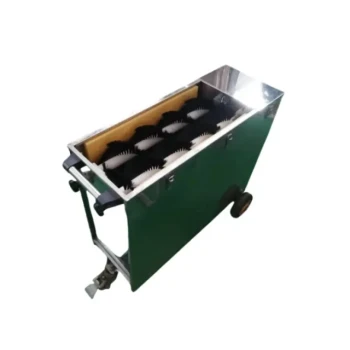
Fresh bee pollen is a highly perishable raw material that requires immediate stabilization to prevent rapid spoilage. Specialized drying equipment is necessary to reduce naturally high moisture levels while maintaining strict temperature controls, ensuring the pollen does not degrade biologically or lose its nutritional value.
The central necessity of specialized equipment lies in balancing moisture removal with thermal protection: it must dry the pollen fast enough to stop dangerous mold growth, yet gently enough to preserve heat-sensitive enzymes and vitamins.
The Critical Role of Moisture Control
Preventing Microbial Spoilage
Freshly collected pollen is rich in water and nutrients, making it an ideal substrate for the rapid growth of bacteria and fungi. Without immediate and effective drying, molds such as Aspergillus can colonize the pollen, potentially producing dangerous mycotoxins like Ochratoxin A.
Ensuring Long-Term Stability
Reducing moisture content is the primary mechanism for stabilizing the physical integrity of the pollen. Specialized equipment lowers moisture to a safe range, preventing biodegradation and allowing for long-term storage, research analysis, or commercial distribution.
Preserving Bioactive Integrity
Protecting Heat-Sensitive Components
Bee pollen is valued for its bioactive compounds, including enzymes, vitamins, amino acids, and proteins. Standard heating methods often cause denaturation or oxidative degradation, effectively "cooking" the nutrients out of the product and destroying its functional value.
Precision Temperature Regulation
Specialized dryers utilize strictly controlled temperature environments with minimal fluctuations. This precision allows for effective dehydration at temperatures that inhibit microbial growth without reaching the thermal threshold that destroys biological properties.
Advantages Over Natural Methods
Avoiding UV Damage
Unlike traditional sun drying, specialized machines protect pollen from ultraviolet radiation. This prevents the photodegradation of light-sensitive bioactive substances that inevitably occurs during natural exposure.
Uniform Dehydration
Industrial equipment, such as convective dryers, utilizes regulated airflow to create a uniform thermal field. This ensures every granule is dried evenly, eliminating "wet spots" where spoilage could originate, a common failure point in non-specialized drying methods.
Understanding the Trade-offs
Investment vs. Quality Assurance
While specialized machinery represents a higher initial capital investment than passive drying, it is the only way to guarantee food-grade hygiene standards. Relying on inconsistent drying methods saves money upfront but risks total product loss due to mold contamination or a loss of market value due to degraded nutrient profiles.
Making the Right Choice for Your Goal
To select the appropriate processing approach, consider your end-use requirements:
- If your primary focus is Commercial Safety: Prioritize equipment with strict airflow and temperature controls to eliminate the risk of mycotoxin contamination (Ochratoxin A).
- If your primary focus is Nutritional Value: Ensure your equipment offers low-temperature settings to prevent the denaturation of enzymes and vitamins.
- If your primary focus is Production Efficiency: Consider convective drying systems, which balance rapid moisture removal with reasonable investment costs for small-to-medium enterprises.
Specialized drying is not merely a processing step; it is the defining factor in converting raw, unstable pollen into a safe, high-value functional food.
Summary Table:
| Feature | Specialized Drying Equipment | Traditional Sun Drying |
|---|---|---|
| Moisture Control | Precise & Uniform | Inconsistent; risk of wet spots |
| Temperature | Regulated to protect enzymes | Uncontrolled; risks denaturation |
| UV Protection | Full protection from light | High exposure; degrades nutrients |
| Microbial Safety | Prevents mold/mycotoxins | High risk of bacterial growth |
| Efficiency | Rapid & Scalable | Slow & Weather-dependent |
Elevate Your Bee Product Quality with HONESTBEE
Don't risk your harvest with substandard processing. HONESTBEE provides professional-grade beekeeping tools and machinery designed specifically for commercial apiaries and distributors. From precision pollen dryers to advanced honey-filling machines, our equipment ensures your products meet the highest food-grade standards while preserving their vital nutritional value.
Whether you are scaling your production or looking for reliable wholesale consumables, we have the expertise to support your growth. Contact us today to find the perfect equipment solution for your business!
References
- O. Lytvynenko, K. Afara. INFLUENCE OF TECHNOLOGICAL METHODS OF BEEKEEPING ON THE FLIGHT AND COLLECTING WORK OF BEES. DOI: 10.46913/beekeepingjournal.2023.11.09
This article is also based on technical information from HonestBee Knowledge Base .
Related Products
- Removable Plastic Pollen Trap With Ventilated Tray for Bees Pollen Collector
- High Quality Honey Dehumidifier Dryer Thickening Machine for Beekeeping
- Plastic Bee Pollen Trap Strips Comb Catcher Collector
- Heavy-Duty Ergonomic Grip Galvanized Pollen Shovel
- Stainless Steel Pollen Shovel with Wooden Handle
People Also Ask
- What are the design principles and advantages of pollen traps in the collection of bee pollen? Boost Your Apiary Yield
- What is the function of professional pollen traps in evaluating honey plants? Quantifying Pollination and Crop Potential
- What functions do pollen traps serve for bee bread production? Optimize Your Raw Material Collection
- What maintenance and pest prevention measures should be taken for pollen traps? Protect Your Hive and Harvest Quality
- How does the use of pollen traps in honeybee hives enhance crop fertilization? Boost Your Yield Through Induced Activity