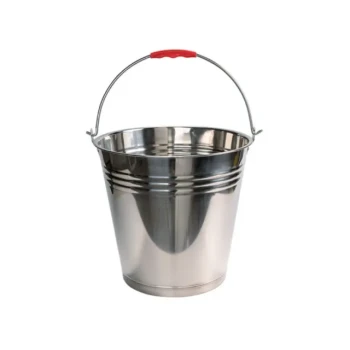
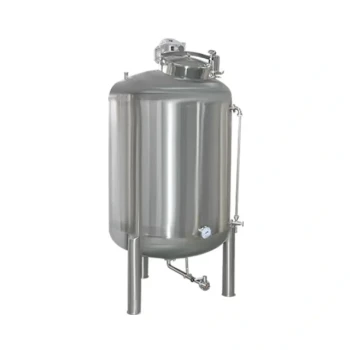
Specialized transport equipment safeguards honey integrity by mitigating two specific threats during distribution: thermal degradation and environmental contamination. By acting as a physical and thermal barrier, this equipment prevents the formation of Hydroxymethylfurfural (HMF) caused by heat exposure and ensures the product remains free from external pollutants while moving from remote production sites to the market.
Core Takeaway Honey is a chemically fragile product that acts as a snapshot of its environment; it degrades rapidly when exposed to heat or open air. Specialized logistics hardware is the only way to guarantee that the export-grade chemical profile achieved at the hive is preserved upon arrival at the end market.
The Chemistry of Quality Preservation
Transportation is often the weakest link in the honey supply chain. Specialized equipment addresses the chemical vulnerabilities of honey that standard logistics solutions ignore.
Controlling HMF Formation
Honey is highly sensitive to temperature fluctuations. When honey is exposed to direct high temperatures—common during transport in non-specialized vehicles—its chemical structure changes.
This heat exposure accelerates the formation of Hydroxymethylfurfural (HMF). Rising HMF levels are the primary indicator of quality degradation and can render honey unfit for export markets. Specialized transport creates a controlled environment that halts this chemical reaction.
Maintaining Enzymatic Activity
Beyond HMF, heat destroys the delicate enzymes that give raw honey its health properties and premium status.
Specialized equipment ensures the temperature remains stable, preserving the biological activity of the honey from the apiary to the processing center.
Physical Barriers and Purity
The journey from a remote production site to a consumer involves varying environments. Specialized equipment acts as a fortress against contamination.
Blocking Environmental Pollution
Logistics routes often expose cargo to dust, exhaust fumes, and other particulate matter.
Standard shipping methods may not provide a sufficient seal. Specialized logistics equipment offers a hermetic physical barrier, ensuring that the purity of the honey is not compromised by the environment it travels through.
Preventing Moisture Absorption
Honey is hygroscopic, meaning it naturally attracts and absorbs moisture from the air.
If transported in standard containers with poor seals, honey will absorb humidity, leading to fermentation and spoilage. Specialized transport vessels utilize airtight seals to lock out moisture, maintaining the honey's density and preventing souring.
Eliminating Material Reactivity
Honey is weakly acidic. Using non-specialized transport containers, such as recycled plastic or iron drums, can be disastrous.
Acidic honey reacts with iron and low-grade metals, leading to heavy metal contamination and flavor changes. Specialized transport containers are chemically inert and food-grade, preventing any reaction between the vessel and the cargo.
Understanding the Trade-offs
While specialized equipment is superior for quality, it introduces specific operational considerations.
Higher Operational Costs
Implementing specialized transport fleets and containers significantly increases initial capital expenditure compared to general-purpose logistics.
However, relying on standard transport is a false economy if a batch is rejected for high HMF levels or metal contamination.
increased Maintenance Requirements
To maintain a "food-grade" status, specialized equipment requires rigorous cleaning protocols to prevent cross-contamination between batches.
Unlike standard freight, these containers cannot be easily repurposed for other goods without risking the integrity of future honey shipments.
Making the Right Choice for Your Logistics
Selecting the right transport infrastructure depends on your target market and the distance of your supply chain.
- If your primary focus is Export Markets: Prioritize equipment with active temperature control and HMF monitoring to meet strict international chemical standards.
- If your primary focus is Local Distribution: Focus on chemically inert, hermetically sealed containers to prevent fermentation and heavy metal contamination during short hauls.
The value of your honey is defined not just by how it is produced, but by how well it is protected during its journey.
Summary Table:
| Hazard Category | Specific Threat | Specialized Equipment Solution |
|---|---|---|
| Chemical | HMF Formation & Enzyme Loss | Thermal insulation and active temperature control systems |
| Environmental | Pollution & Dust Ingress | Hermetically sealed, food-grade logistics containers |
| Physical | Moisture Absorption (Hygroscopy) | Airtight seals to prevent fermentation and spoilage |
| Material | Heavy Metal Contamination | Chemically inert, acid-resistant food-grade materials |
Secure Your Honey Quality with HONESTBEE Professional Logistics Solutions
Don't let poor transportation devalue your harvest. HONESTBEE provides commercial apiaries and distributors with the specialized tools needed to maintain the integrity of every drop. From chemically inert storage vessels to advanced honey-processing machinery, our comprehensive wholesale portfolio is designed to meet strict export standards.
Our Value to You:
- Industry-Leading Hardware: High-quality, food-grade containers and machinery tailored for honey’s unique chemical profile.
- Scale Your Operations: We supply everything from hive-making machines to honey-filling systems for growing businesses.
- Expert Support: Our team understands the needs of large-scale distributors and specialized beekeeping enterprises.
Protect your investment and ensure your product reaches the market in peak condition. Contact HONESTBEE today to explore our wholesale equipment and logistics consumables.
References
- Seble Tigistu. Review on Actors and their Value Adding Activities in Honey Value chain; Challenges and Opportunities in Ethiopia. DOI: 10.5281/zenodo.7668740
This article is also based on technical information from HonestBee Knowledge Base .
Related Products
- Honey Convey Pump Screw Honey Pump for Viscous Liquid
- Small Honey Filling Machine Sachet Packing Equipment Single Nozzle
- Double Nozzle Small Honey Filling Machine Honey Sachet Packing Packaging Equipment
- Manual Honey Filling Machine Bottling Machine for Honey
- Honey Convey Pump Economy Gear Pump for Viscous Liquid
People Also Ask
- How do modern technologies and machinery benefit honey extraction? Elevate Efficiency & Product Quality
- What are the different types of honey pumps available? Manual vs. Electric Pumps for Beekeeping Efficiency
- What is the role of honey pumps in honey processing? Preserve Quality and Boost Efficiency
- Why are honey pumps considered essential in the honey transfer process? Streamline High-Viscosity Liquid Handling
- What types of pumps are used in honey processing systems? Optimize Your Production with the Right Technology