Tetragonula biroi is preferred for commercial crop pollination because it can be domesticated, propagated, transported, and managed more reliably than many wild pollinators. Its favorable benefit-cost profile supports commercial multiplication, while standardized stingless-bee hives make it possible to inspect colonies, divide them, deploy them during flowering, and harvest honey and propolis with less disruption.
The commercial advantage is controllability: T. biroi can be managed as a production asset rather than treated as an unpredictable wild pollinator. However, reliable performance depends on species-appropriate hive design, thermal protection, inspection access, transportability, and careful colony-handling tools.
Why Tetragonula biroi Fits Commercial Pollination
It is comparatively easy to domesticate
The main reason for selecting T. biroi is its suitability for managed propagation. Colonies can be maintained in artificial hives, inspected, and divided to expand a commercial operation.
This gives distributors, growers, and beekeepers a more predictable supply of pollination colonies than relying solely on naturally occurring wild nests.
It supports a viable business model
Commercial stingless-bee propagation can be economically viable because the expected operational benefits can outweigh the costs of colony production and management.
The benefit-cost result will still depend on crop value, colony density, transport distance, seasonal timing, labor, and hive durability. The species’ manageability improves the commercial case, but it does not eliminate the need for sound operations planning.
It enables planned pollination deployment
Artificial hives allow colonies to be moved into orchards, greenhouses, or other production areas when pollination is needed. They can be positioned strategically rather than waiting for pollinators to establish themselves naturally.
Deployment can be timed around critical flowering windows, including the period when approximately 50% to 90% of the crop is in bloom, subject to the crop and local operating conditions.
It suits low-sting environments
Stingless bees are practical for greenhouse and tropical agriculture because workers do not present the same stinging hazard associated with conventional honey bees. This can simplify handling around workers and customers.
They are particularly relevant to crops such as cocoa, cashew, strawberries, tomatoes, and melons, although actual results depend on crop biology, colony strength, greenhouse conditions, and field management.
Hive Equipment That Commercial Operations Require
Use modular hive boxes
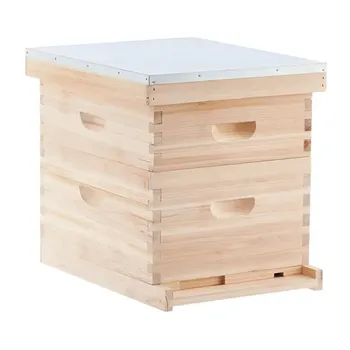
A commercial hive should provide a controlled, modular nesting environment rather than simply functioning as a container. Modular construction supports colony inspection, maintenance, and division.
The design should allow access to the colony without unnecessary dismantling. This reduces handling time and helps limit damage to brood structures, food stores, and the fragile internal nest architecture.
Match the hive to the species
Hive design must reflect the bee’s natural nesting behavior. Species that nest in tree cavities generally require appropriately dimensioned horizontal wooden hives, while ground-nesting species may require different housing, such as specialized clay-pot systems.
For T. biroi, suppliers and beekeepers should validate the internal dimensions, layout, entrance design, and volume against established husbandry practice for the species. A generic “stingless-bee hive” is not automatically suitable for every Tetragonula species.
Consider double-layer construction
A double-layered hive can improve thermal insulation and structural stability. This is especially relevant in tropical environments, where heat, rain, and rapid temperature changes can affect colony condition.
The additional layer also helps create a more consistent internal environment for colony inspection, splitting, and controlled queen-rearing work. It should be treated as a design feature to evaluate, not a substitute for proper placement and environmental management.
Provide predator and weather protection
Artificial hives should create a stable nesting environment similar to a protected natural cavity. The enclosure should help limit exposure to extreme weather, pests, and natural predators.
This protection is important for maintaining a stable foraging population in the field. It is not complete protection from agricultural hazards: pesticide drift, poor placement, excessive heat, and flooding still require separate controls.
Design for transport and field deployment
Commercial equipment must withstand repeated movement between apiaries, farms, warehouses, and flowering sites. Hive boxes should be structurally stable, secure during transport, and easy to position in consistent layouts across different crop locations.
Standardized hardware also improves inventory planning for distributors and makes it easier for beekeepers to compare colony condition, hive weight, and performance over time.
Tools for Inspection, Splitting, and Harvesting
Inspection equipment must protect the nest
Inspection tools should allow beekeepers to examine colony condition without tearing or crushing the nest structure. Access should be controlled, and the hive should be designed to minimize unnecessary exposure during routine checks.
A practical commercial system therefore includes more than the box itself. It requires compatible tools and procedures for opening, inspecting, resealing, and documenting each colony.
Splitting requires compatible hive architecture
Colony division is central to expanding a commercial population. Hive modules should support controlled splitting while preserving the brood, food stores, and colony organization required for the new units to develop.
Consistent box dimensions and internal layouts make splitting more repeatable and simplify training across a beekeeping team.
Harvesting requires dedicated tools
Stingless bees store honey and propolis in structures that differ from conventional honey-bee comb. Harvesting equipment must therefore be designed to remove these products without damaging the colony’s fragile internal structures.
Dedicated extraction and handling tools can improve hygiene, reduce waste, and protect the colony’s ability to recover after harvesting. Honey and propolis harvesting should remain secondary to colony health in pollination-focused operations.
Designing a Deployable Pollination System
Place colonies according to crop requirements
Hive placement affects how effectively colonies cover an orchard, greenhouse, or field. Standardized boxes allow operators to create repeatable spatial layouts and adjust colony density according to the crop and growing environment.
The objective is not simply to maximize the number of hives. It is to distribute healthy colonies where their foraging activity can contribute most effectively during the flowering period.
Coordinate deployment with flowering
Colonies should be transported and installed early enough to acclimatize while remaining synchronized with the crop’s flowering window. Delayed deployment reduces the time available for pollination, while poorly timed placement can waste colony resources.
Operational schedules should therefore link colony readiness, transport capacity, crop bloom monitoring, and hive placement.
Integrate pollination with pest management
Hive deployment must be coordinated with pesticide programs. Protective hive construction can reduce exposure to weather and some external threats, but it does not make colonies immune to pesticide drift.
For commercial growers, stingless-bee use should form part of an Integrated Pest and Pollination Management program, with clear controls for product selection, application timing, drift prevention, and temporary hive protection or relocation.
Monitor colony condition consistently
Standardized hives make it easier to monitor colony weight, activity, reproductive status, and general health over time. Repeatable measurements are especially valuable for wholesalers, commercial beekeepers, and research-driven production systems.
Consistent monitoring also helps identify weak colonies before deployment and supports better decisions about splitting, replacement, transport, and field withdrawal.
Understanding the Trade-offs
A standardized hive is not universally interchangeable
Different stingless-bee species have different nesting habits. Applying the same hive format to every species can lead to poor colonization, unstable reproduction, or difficult inspections.
Equipment buyers should request species-specific specifications and operating guidance rather than selecting solely on external appearance or price.
Low sting risk does not mean zero management risk
Although stingless bees do not sting in the manner of conventional honey bees, colonies still require careful handling. Rough opening, excessive exposure, poor sealing, overheating, and careless harvesting can damage colony structures or reduce performance.
The correct equipment lowers these risks, but trained handling remains essential.
Hive protection cannot replace site management
A well-insulated hive can help stabilize internal conditions, but it cannot compensate for unsuitable placement, flooding, prolonged overheating, predator pressure, or pesticide exposure.
Commercial success depends on the complete system: hive design, site selection, transport, crop timing, monitoring, and field protocols.
Commercial performance varies by crop and environment
Pollination outcomes should not be generalized from one crop or greenhouse to another. Reported improvements, such as increased fruit set in greenhouse strawberries, are system-specific and depend on environmental and management conditions.
Buyers should evaluate colonies through local trials or relevant production data before making large deployment commitments.
Making the Right Choice for Your Goal
The best equipment package should be selected as an integrated operating system, not as an isolated hive-box purchase.
- If your primary focus is commercial crop pollination: Prioritize healthy, transportable T. biroi colonies in standardized modular hives that support precise flowering-stage deployment and repeatable field layouts.
- If your primary focus is colony multiplication: Select modular boxes with reliable inspection and splitting access, supported by consistent internal dimensions and suitable thermal protection.
- If your primary focus is honey and propolis production: Include dedicated harvesting tools that preserve brood structures, food stores, hygiene, and long-term colony productivity.
- If your primary focus is distribution or wholesale supply: Build a full equipment portfolio covering species-appropriate hive boxes, double-layer options, inspection and splitting tools, transport accessories, and responsive technical support.
- If your primary focus is greenhouse production: Favor compact, stable hives that are easy to position, monitor, protect from pesticide exposure, and redeploy across flowering cycles.
The commercial value of Tetragonula biroi comes from making pollination predictable, and the right hive equipment is what makes that predictability operational.
Summary Table:
| Aspect | Key Considerations |
|---|---|
| Species Preference | Manageable, transportable, low-sting risk |
| Hive Type | Species-specific modular hives |
| Construction | Double-layer for insulation and stability |
| Protection | Against weather, pests, and predators |
| Tools | Inspection, splitting, and harvesting compatible |
| Deployment | Timing with flowering, placement, and monitoring |
Ready to optimize your pollination with Tetragonula biroi? HONESTBEE provides a complete range of species-appropriate hives, tools, and technical support for commercial beekeepers and distributors. Our one-stop sourcing, fast delivery, and expert guidance ensure your colonies thrive. Contact us today to build your custom solution!
Related Products
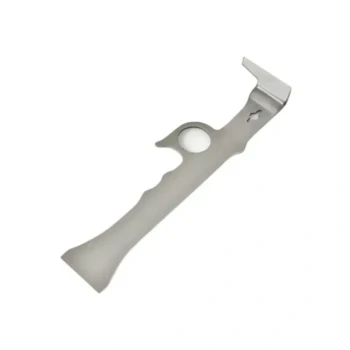
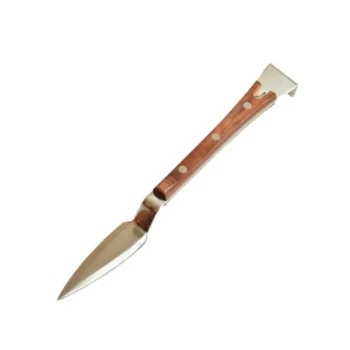
- HONESTBEE Advanced Ergonomic Stainless Steel Hive Tool for Beekeeping
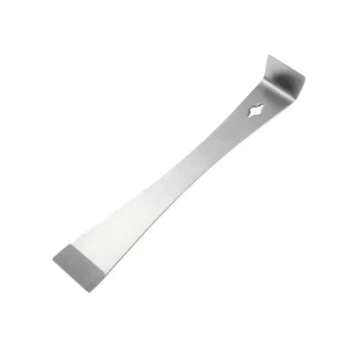
- Professional Stainless Steel Pry-Bar Hive Tool
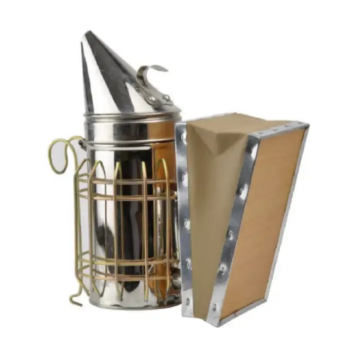
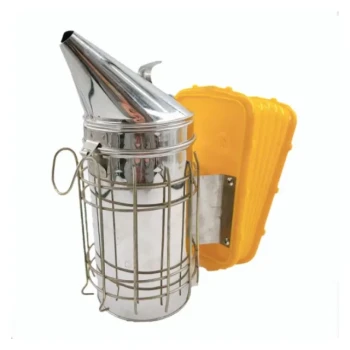
- Stainless Steel Honey Bee Smoker Hive and Honeycomb Smoker for Beekeeping
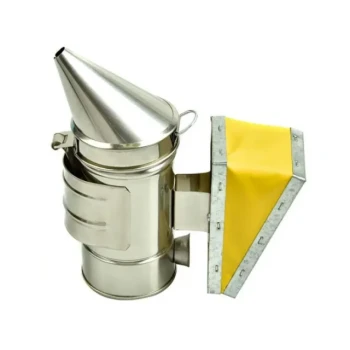
- European Stainless Steel Bee Smoker for Honey Bee Hive
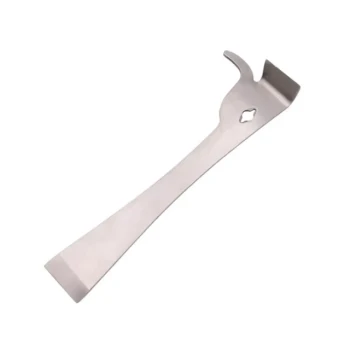
- Professional Multi-Function Stainless Steel Hive Tool
People Also Ask
- What specific challenges do beekeeping hive tools address during hive maintenance? Essential Solutions for Apiaries
- How does a favorable microclimate interact with beekeeping tools? Boost Overwintering Success and Equipment Longevity
- Why is the treatment of beekeeping tools with high-concentration chemical disinfectants necessary for preventing AFB?
- What is the recommended method for storing beekeeping tools? Expert Vertical Storage Solutions for Your Apiary
- What personal tools are required for handling bees and a hive? 4 Essential Gear Items for Safe Beekeeping