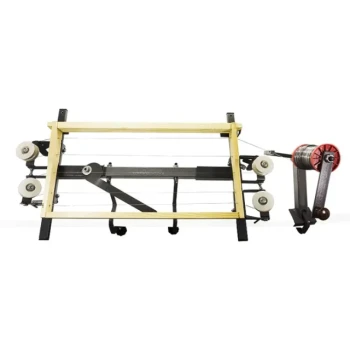
Precision is the prerequisite for objective analysis. The accuracy of standardized measurement tools is significant in the PUCHTA method because it ensures the reliable capture of the brood area's long and short axis dimensions. These precise physical measurements serve as the critical input for specific formulas, transforming raw numbers into a calculable metric for the colony's biological status.
Accurate measurement is not just about recording numbers; it is the foundation for calculating a colony's egg-laying capacity and proliferation potential. Standardized tools turn subjective observations into objective data, enabling reliable comparisons across different seasons and environmental conditions.
From Physical Dimensions to Biological Insight
The Mechanics of the Method
The PUCHTA method relies heavily on mathematical formulas to estimate brood area.
These formulas require specific inputs: the long and short axes of the brood pattern on the beehive frame.
If the initial measurement tools are inaccurate, the formula outputs will be flawed, rendering the entire data set useless for scientific or management analysis.
Quantifying Queen Performance
By inputting precise measurements, apiary managers can objectively quantify the egg-laying capacity of the queen.
This moves the assessment of a queen's value from a subjective visual guess to a concrete, data-driven metric.
It allows for a clear understanding of the proliferation potential of the honeybee colony—essentially, how fast and strong the colony can grow.
The Value of Longitudinal Data
Enabling Seasonal Comparisons
Standardized tools ensure that data collected in spring is comparable to data collected in autumn.
This consistency is vital for comparing colony development across different seasons.
It allows managers to track growth curves and identify anomalies in development cycles.
Evaluating Environmental Impact
Accurate measurements allow for valid comparisons across different environmental conditions.
By maintaining measurement consistency, apiary managers can isolate external variables to see how weather or location impacts overall productivity.
Common Pitfalls to Avoid
The Cost of Subjectivity
Without standardized tools, measurements become subjective estimates rather than objective facts.
This leads to "data noise," where variations in measurement technique mask actual changes in colony health.
The Ripple Effect of Bad Data
Inaccurate brood measurement leads to incorrect assessments of colony strength.
This can result in poor management decisions, such as splitting a colony too early or failing to replace an underperforming queen.
Making the Right Choice for Your Goal
To effectively apply the PUCHTA method in your apiary management strategy, consider your primary objectives:
- If your primary focus is Queen Management: Rely on precise axis measurements to objectively rank queens based on verified egg-laying capacity rather than visual estimates.
- If your primary focus is Long-Term Productivity: Ensure all measurement tools are standardized to allow for valid comparison of colony development trends across multiple seasons.
Ultimately, the rigor of your measurement tools dictates the reliability of your management decisions.
Summary Table:
| Key Benefit | Impact on Apiary Management |
|---|---|
| Formula Accuracy | Ensures precise inputs for long and short axes to calculate brood area. |
| Queen Evaluation | Provides data-driven metrics for egg-laying capacity and replacement decisions. |
| Longitudinal Tracking | Enables reliable comparisons of colony development across different seasons. |
| Environmental Insights | Isolates external variables to see how location and weather impact productivity. |
| Objective Decision-Making | Replaces subjective visual guesses with concrete, actionable biological data. |
Maximize Your Colony Potential with HONESTBEE
Precise data is the backbone of successful commercial beekeeping. At HONESTBEE, we empower commercial apiaries and distributors with the high-precision tools and machinery needed to turn biological observations into profitable insights.
Whether you need specialized hive-making machinery, high-efficiency honey-filling systems, or a complete supply of wholesale beekeeping tools and industry consumables, our portfolio is designed to enhance your operational efficiency. From hardware to honey-themed cultural merchandise, we provide the full spectrum of equipment to support your growth.
Ready to scale your apiary with industry-leading equipment?
Contact HONESTBEE Today to explore our wholesale solutions and discover how our expertise can drive your long-term productivity.
References
- Gamze Ertem, Banu Yücel. Comparison of Hygienic Behavior and Resistance to Varroa Destructor in Efe F1 Bees and Their Effects on Colony Performance. DOI: 10.18615/anadolu.1782244
This article is also based on technical information from HonestBee Knowledge Base .
Related Products
- HONESTBEE Premium Italian Style Hive Tool with Hardwood Handle
- HONESTBEE Professional Mini J-Hook Hive Tool for Beekeeping
- HONESTBEE 15-in-1 Beekeeper Multi-Tool with Hammer and Pliers for Beekeeping
- Plastic Beekeeping Honey Bee Larvae Grafting Tools for Queen Rearing and Chinese Grafting
- HONESTBEE Adjustable Voltage Wire Embedder with Digital Display
People Also Ask
- What distinguishes an Italian hive tool? Master High-Leverage Beekeeping with This Extra-Long Design
- Which intervention materials and management tools are used in commercial apiaries? Protect Your Bees from Pesticides
- What are the common construction features of hive tools? Key Insights for Superior Beekeeping Efficiency
- What are the different types of hive tools available? Choose the Right Tool for Your Apiary
- How do hive tools and queen rearing equipment facilitate the bee colony splitting process? Restore Your Apiary Faster