To enter international honey markets, you must treat compliance as a function of engineering, not just intent. The adoption of advanced industrial machinery is necessary to meet rigorous global standards regarding purity, antibiotic residues, and hygiene that manual processing cannot reliably achieve. These technologies provide the required foundation for eliminating secondary contamination, ensuring precise standardization, and securing the certifications needed to export to high-value regions like the European Union.
International trade relies on the guarantee that every batch of honey is chemically and physically identical to the last. Industrial automation is the only reliable method to ensure the sterility, physicochemical stability, and traceability required to pass strict border inspections and meet consumer safety regulations.
The Imperative of Hygiene and Purity
Eliminating Manual Contamination
The primary barrier to entry for international markets is strict hygiene standards. Manual handling introduces significant risks of secondary contamination through human contact or improper tool sanitization.
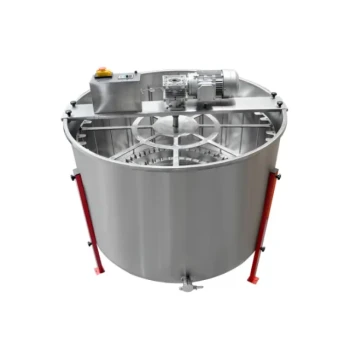
Advanced machinery, such as automated honey extractors and closed-loop filtration units, removes the human element from the most sensitive stages of production. This technological intervention is critical for preventing the introduction of pathogens or foreign particles.
Managing Antibiotic and Chemical Residues
Global markets, particularly the European Union, enforce stringent limits on antibiotic residues and impurities. Industrial-grade processing allows for high-precision filtration that manual methods cannot replicate.
By utilizing temperature-controlled systems and advanced filtration, producers can ensure that the honey's physicochemical indicators remain stable. This ensures the final product remains pure and compliant with international safety thresholds.
Standardization and Supply Stability
Achieving Consistent Physicochemical Properties
International buyers require supply stability, not just in volume, but in chemical composition. Industrial processing ensures that large-scale harvests are homogenized effectively.
This prevents variations in moisture content or crystallization that often occur in small-scale, manual batches. Machinery ensures that the honey maintains consistent quality indicators, which is a prerequisite for long-term export contracts.
Precision in Filling and Metering
Automated honey-filling equipment employs precision flow control to guarantee net weight consistency. In international retail, discrepancies in product weight can lead to legal penalties and rejected shipments.
Sterile filling processes ensure that the hygiene standards achieved during extraction are maintained right up to the sealing of the jar. This closed-loop consistency allows producers to meet specific consumer specifications without variation.
From Commodity to High-Value Brand
Meeting Labeling and Traceability Laws
Exporting to markets like Saudi Arabia or the EU requires strict adherence to packaging and labeling laws. Automated labeling machinery ensures precise application of ingredient lists and traceability data.
This level of automation is often a technical requirement for obtaining necessary export certifications. Without the ability to mechanically guarantee packaging compliance, access to these trade systems is often denied.
Enhancing Shelf Life and Brand Image
High-performance packaging machinery does more than fill jars; it extends the shelf life of the product through airtight sealing techniques. This is vital for goods undergoing long-distance international shipping.
Furthermore, advanced machinery enables diverse and high-quality packaging designs. This capability allows producers to transition from exporting cheap bulk honey to selling high-value retail commodities, conveying a premium brand image for unique products.
Understanding the Trade-offs
The Shift from Artisan to Industrial
Adopting this machinery signifies a move away from traditional, artisanal methods. While this ensures compliance, it requires a significant capital investment and a shift in operational focus toward maintenance and engineering.
Operational Complexity
Implementing high-precision filtration and temperature control requires technical expertise. Producers must balance the benefits of market access against the need for skilled operators who can manage complex automated systems.
Making the Right Choice for Your Goal
To navigate the international market effectively, align your technology choices with your specific business objectives:
- If your primary focus is bulk export: Prioritize industrial filtration and homogenization systems to guarantee stable physicochemical indicators and remove impurities for large-scale buyers.
- If your primary focus is high-value retail: Invest in automated sterile filling and labeling machinery to ensure precise weight control, extended shelf life, and premium packaging aesthetics.
Success in the global honey trade requires viewing machinery not as a luxury, but as the essential infrastructure for compliance and trust.
Summary Table:
| Key Challenge | How Advanced Machinery Solves It | International Market Impact |
|---|---|---|
| Secondary Contamination | Closed-loop extraction & automated handling | Ensures compliance with EU/Global hygiene standards |
| Purity & Residues | High-precision filtration & temperature control | Guarantees stability of physicochemical indicators |
| Inconsistent Quality | Industrial homogenization & moisture control | Provides supply stability required for long-term contracts |
| Weight Discrepancies | Precision flow control filling systems | Prevents legal penalties and rejected shipments |
| Traceability & Branding | Automated labeling & airtight sealing | Meets strict export labeling laws and extends shelf life |
Scale Your Apiary for Global Success with HONESTBEE
Transitioning from artisanal production to international export requires more than just intent—it requires the right infrastructure. HONESTBEE specializes in empowering commercial apiaries and distributors with the industrial tools necessary to thrive in high-value markets.
Our value to your business:
- Comprehensive Wholesale Range: From advanced honey-making and filling machines to specialized beekeeping hardware.
- Compliance-Ready Technology: Our machinery is designed to help you meet rigorous international purity and hygiene standards.
- Diverse Portfolio: We supply everything from industrial-grade equipment to honey-themed cultural merchandise to enhance your brand's market presence.
Ready to transform your production line and unlock international trade opportunities?
Contact HONESTBEE Today to Discuss Your Equipment Needs
References
- Veland Ramadani, Laxman Panthi. Beekeeping as a family artisan entrepreneurship business. DOI: 10.1108/ijebr-07-2017-0245
This article is also based on technical information from HonestBee Knowledge Base .
Related Products
- Automatic Honey Filling and Filtering Machine for Beekeeping Bottle Filling
- Stainless Steel J Hook Hive Tool for Beekeeping
- 40 Frame Commercial Electric Honey Extractor for Beekeeping
- Stainless Steel Manual 8 Frame Radial Honey Extractor Machine for Beehives
- Miniature Stainless Steel Bee Smoker for Beekeeping
People Also Ask
- What process advantages do professional honey filtering and filling machines provide? Optimize Your Organic Honey Output
- How do honey filling and filtering machines increase product value? Turn Raw Honey into Premium Export-Grade Goods
- How do honey filtration and filling machinery contribute to industrialization? Scale Your Commercial Honey Production
- What specific issues do industrial filtration and automated filling machinery address? Ensure Honey Quality & Compliance
- How does the use of professional honey filtration and filling machinery facilitate international honey exports?