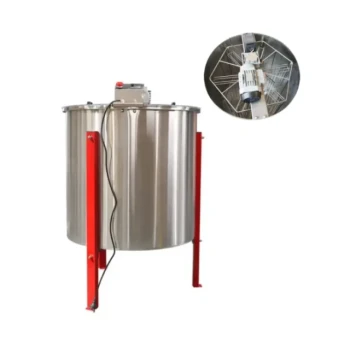
Capacity is the defining variable in modern apiary throughput. Sufficient machinery capacity allows for the rapid processing of large volumes of raw honey during critical harvest windows, directly minimizing labor costs and preventing yield losses associated with processing bottlenecks. Beyond simple speed, adequate extraction capacity safeguards the honey’s physical and chemical integrity against environmental degradation, stabilizing production output as a primary indicator of technical advancement.
The Core Efficiency Principle Operational capacity is not just about speed; it is a preservation mechanism. By aligning extraction capabilities with harvest volume, apiaries shorten the exposure time of raw honey, locking in biological quality while transforming a labor-intensive chore into a stabilized, scalable industrial process.
The Mechanics of Processing Efficiency
Maximizing Throughput and Speed
The primary function of high-capacity machinery is to enable the processing of large volumes of raw honey quickly. Harvest seasons are often time-sensitive; specialized equipment ensures that the influx of raw material does not create a backlog. This high-efficiency processing shortens the turnover time at production sites, preventing the logistical chaos that limits scalability.
Minimizing Labor Costs
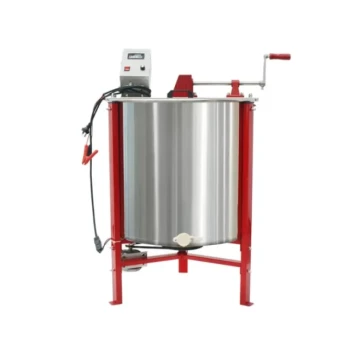
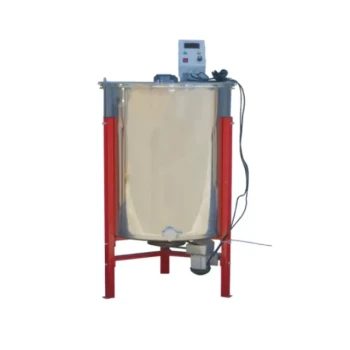
Capacity is directly linked to labor optimization. By replacing traditional manual labor with semi-automated or automated processes—such as automatic scrapers and centrifugal extractors—apiaries significantly reduce labor intensity. This shift allows operations to handle higher volumes without a linear increase in staffing costs.
Preventing Yield Loss
Insufficient capacity leads to processing delays, which are a primary cause of yield loss. When honey sits unprocessed, it is vulnerable to environmental factors and handling errors. High-capacity systems eliminate these delays, ensuring that the maximum amount of harvested product reaches the final packaging stage.
Protecting Product Integrity
Shielding from Environmental Impact
The physical and chemical properties of honey are sensitive to the environment. Extended exposure due to slow processing can lead to degradation. Industrial extraction equipment utilizes efficient centrifugal and filtration processes to separate honey rapidly, protecting it from moisture absorption or contamination by impurities that occur during prolonged exposure.
Preserving Biological Activity
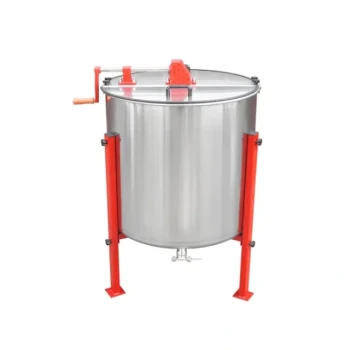
Capacity influences quality. Unlike manual crushing methods, which can be destructive, specialized machinery uses physical centrifugal force to extract honey. This method preserves the natural flavor profiles and active ingredients of the honey, ensuring the final product maintains its biological activity and commercial value.
Ensuring Standardization and Hygiene
High-capacity processing is essential for meeting commercial food safety standards. Professional machinery enables sterile bottling, efficient filtration, and dehydration. This level of technical advancement ensures a stable, pure output that is impossible to achieve with low-capacity, manual methods.
Understanding the Trade-offs: Manual vs. Mechanical
The Cost of Low Capacity (Comb Destruction)
A critical "hidden cost" of low-capacity or manual operations is the destruction of the honeycomb. In the absence of centrifugal machinery, beekeepers often use crushing methods where honey, pollen, and wax are mixed. This destroys the hive structure, preventing the reuse of combs and forcing the bees to expend energy rebuilding rather than producing honey.
The Necessity of Technical Investment
Achieving high capacity requires a shift toward industrialization. While this stabilizes output, it demands reliance on specialized technology like centrifugal extractors and automated filling systems. The trade-off is clear: to achieve market competitiveness and standardized hygiene, an apiary must move away from artisanal, low-volume methods that cannot scale without compromising quality.
Making the Right Choice for Your Goal
To maximize technical efficiency, evaluate your machinery based on your specific operational targets:
- If your primary focus is Commercial Scalability: Prioritize high-capacity centrifugal extractors to maximize comb reuse and shorten turnover times, establishing a stable profit center.
- If your primary focus is Product Quality: Ensure your machinery capacity is high enough to eliminate processing delays, thereby preventing moisture contamination and preserving natural flavor profiles.
Ultimately, machinery capacity is the bridge between a labor-intensive agricultural activity and a streamlined, profitable manufacturing operation.
Summary Table:
| Factor | High-Capacity Machinery | Low-Capacity/Manual Methods |
|---|---|---|
| Processing Speed | Rapid throughput during peak harvest | Frequent bottlenecks and backlogs |
| Labor Intensity | Low (Automated/Semi-automated) | High (Manual labor intensive) |
| Product Integrity | High (Centrifugal force preserves activity) | Low (Risk of degradation and contamination) |
| Comb Preservation | Comb reusable after centrifugal extraction | Comb often destroyed during crushing |
| Scalability | Easily scalable for commercial growth | Limited by manual output constraints |
| Yield Loss | Minimized through rapid processing | Significant due to environmental exposure |
Maximize Your Commercial Output with HONESTBEE
Transition from labor-intensive labor to a streamlined, profitable manufacturing operation. HONESTBEE empowers commercial apiaries and distributors with the high-capacity technology needed to scale. Our comprehensive wholesale offering includes everything from high-efficiency honey-filling machines and centrifugal extractors to specialized hive-making equipment and essential industry consumables.
By partnering with us, you gain access to industrial-grade hardware and honey-themed cultural merchandise designed to stabilize your production and safeguard your honey's biological quality. Ready to elevate your technical efficiency?
Contact HONESTBEE today for specialized beekeeping solutions!
References
- Elena Angón, José Perea. Key factors affecting the technical efficiency of bee farms in the province of La Pampa (Argentina): A two-stage DEA approach. DOI: 10.48162/rev.39.015
This article is also based on technical information from HonestBee Knowledge Base .
Related Products
- Stainless Steel Manual 8 Frame Radial Honey Extractor Machine for Beehives
- HONESTBEE 6 Frame Three Use Electric Honey Extractor for Beekeeping
- 10L Stainless Steel Electric Honey Press Machine
- HONESTBEE 72 Frame Industrial Electric Honey Extractor for Beekeeping
- Commercial Electric 12 Frame Honey Extractor Spinner Motorized Honey Extractor
People Also Ask
- What types of beehive frames are compatible with honey extractor machines? Find the Perfect Match for Your Apiary
- Which type of honey extractor is generally more durable? Focus on Material & Build Quality for Longevity
- What are the key features and benefits of a stainless steel honey extractor? Upgrade to Professional Purity
- What is a manual honey extractor? The Essential Guide to Cost-Effective Beekeeping for Beginners
- Why are manual extractors popular among beginner beekeepers? A Guide to Starting Simple & Saving Money