The choice between 8-frame and 10-frame equipment is a foundational infrastructure decision, effectively locking you into a specific ecosystem for the lifespan of your apiary. Because the physical footprints of these boxes differ, the systems are fundamentally incompatible; you cannot stack an 8-frame box on a 10-frame box, nor can you interchange their essential components. This lack of interoperability means that once you invest in one size, switching to the other requires a costly and total replacement of your woodenware inventory.
Core Takeaway: Operational efficiency in beekeeping relies on standardization. Because 8-frame and 10-frame parts are mutually exclusive, choosing a single system ensures every piece of equipment interacts seamlessy, preventing logistical nightmares and wasted investment.
The Mechanics of Incompatibility
Differing Dimensions
While both systems fall under the "Langstroth" hive category, they possess distinct physical widths. An 8-frame box is narrower than a 10-frame box.
This difference is structural, not just internal. You cannot place a wider 10-frame box onto a narrower 8-frame box without creating large gaps that expose the colony to weather and pests.
Component Specificity
The incompatibility extends beyond just the boxes. Essential components such as bottom boards, inner covers, and telescoping outer covers are manufactured to specific dimensions.
An 8-frame outer cover will not fit a 10-frame hive, and a 10-frame bottom board will not properly seal an 8-frame stack. This forces the beekeeper to maintain two completely separate inventories if they attempt to run both systems.
The Value of Apiary Standardization
Interchangeability is Critical
In a well-managed apiary, the ability to swap components between hives is vital. You may need to move a honey super, a hive body, or a lid from one colony to another during inspections or emergencies.
If your apiary mixes 8-frame and 10-frame equipment, you lose this flexibility. You cannot move resources freely because the hardware will not fit, creating significant operational friction.
Simplified Inventory Management
Standardizing on one size simplifies your supply chain. You never have to worry if the spare bottom board in your shed will fit the hive you are currently working on.
While you can mix vertical depths (using deeps and mediums on the same hive), you must maintain a consistent horizontal width across all hives to keep your operation efficient.
Understanding the Trade-offs
Weight vs. Availability
The primary trade-off in this decision involves the physical weight of the equipment versus its market availability.
10-Frame Equipment is the industry standard. It offers the widest availability of accessories and is generally easier to source. However, a full 10-frame honey super is significantly heavier, which can be physically taxing over time.
8-Frame Equipment is lighter and narrower. It is often chosen to reduce the physical strain of lifting heavy boxes. The downside is that while popular, it is slightly less ubiquitous than the 10-frame standard, occasionally limiting immediate access to specialized accessories.
Hands-on Assessment
Before committing to a system, it is advisable to physically handle the equipment. Lifting the boxes allows you to assess the scale and weight, helping you determine if the ergonomic benefits of the 8-frame system outweigh the universal standardization of the 10-frame system.
Making the Right Choice for Your Goal
Once you understand that you cannot easily mix these systems, the decision comes down to your physical requirements and long-term goals.
- If your primary focus is Physical Ergonomics: Choose the 8-frame system to reduce the weight of each individual box, protecting your back during inspections and harvest.
- If your primary focus is Industry Standardization: Choose the 10-frame system to ensure maximum compatibility with the widest range of commercially available tools, feeders, and accessories.
Select the system that fits your physical capabilities today, as it will likely be the standard you use for years to come.
Summary Table:
| Feature | 8-Frame Equipment | 10-Frame Equipment |
|---|---|---|
| Physical Width | Narrower (Ergonomic) | Wider (Standard) |
| Weight (Full Super) | Lighter, easier on the back | Significantly heavier |
| Market Availability | High (but specialized) | Industry Standard (Universal) |
| Interchangeability | Only with 8-frame parts | Only with 10-frame parts |
| Primary Benefit | Reduced physical strain | Maximum tool compatibility |
Build a Scalable Apiary with HONESTBEE
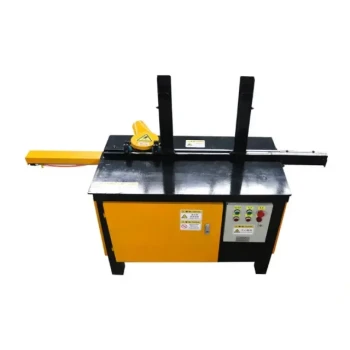
Choosing the right infrastructure is a long-term investment. At HONESTBEE, we support commercial apiaries and distributors with a robust wholesale supply of both 8-frame and 10-frame systems. From hive-making machinery and honey-filling solutions to the full spectrum of Langstroth hardware and consumables, we provide the tools you need to standardize your operation for maximum efficiency.
Ready to streamline your production? Contact us today to explore our wholesale catalog and see how our premium beekeeping equipment can drive your business forward.
Related Products
- Rapid Bee Feeder White Plastic 2L Round Top Feeder for 8 or 10-Frame Bee Hives
- Durable Plastic Frame Spacer
- Ergonomic Plastic Frame Spacer Tool for Rapid Hive Management Beekeeping
- Durable Galvanized Steel Frame Grip
- HONESTBEE Classic Pry Bar Hive Tool with High Visibility Finish for Beekeeping
People Also Ask
- What should be done with feeders and equipment after feeding bees? Essential Steps for Apiary Health
- What should be done if feed in a feeder is not consumed by the bees? Prevent Hive Mold with Prompt Feed Management
- What is the necessity of specialized internal or entrance feeders? Secure Your Hive with Professional Feeding Tools
- How do bee feeders work to preserve colony health during nectar shortages? Essential Guide for Beekeepers
- How quickly does a medium to strong colony usually empty a feeder? A Beekeeper's Guide to Hive Health