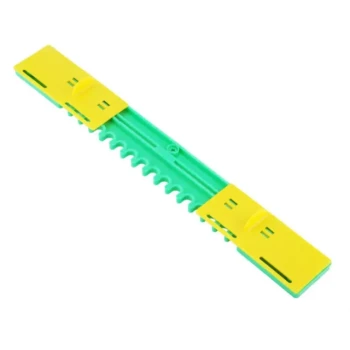
Operational stability and cost reduction are the defining advantages of deploying stable hive hardware in stationary apiary management. This approach fundamentally shifts the focus from logistics to production by eliminating the need for transport vehicles and loading equipment. By anchoring the apiary in a fixed location, you significantly reduce the physical stress on bee colonies that is inherent to migratory beekeeping.
The deployment of stable hive hardware maximizes economic efficiency by removing transport-related overhead and reducing colony stress, ensuring uninterrupted honey collection in regions with consistent resources.
Reducing Operational Overhead
Eliminating Logistical Complexity
In migratory beekeeping, a significant portion of the budget is consumed by the logistics of movement. This includes the maintenance of transport vehicles, fuel, and the labor required for frequent loading and unloading.
Stable hive hardware removes these variables entirely. By utilizing fixed infrastructure, you achieve a low-cost operational model where resources are allocated to colony management rather than transportation.
Streamlining Workflow
Stationary hardware allows for the implementation of standardized, permanent setups. This reduces the setup and teardown time required during hive migration.
Operators can focus on immediate hive husbandry rather than the mechanics of mobilizing the apiary.
Enhancing Colony Health and Continuity
Minimizing Physical Stress
The primary reference indicates that frequent transport exerts significant physical stress on bee colonies. The vibration, confinement, and environmental changes associated with moving hives can disrupt colony cohesion.
Fixed hardware eliminates these stressors. This stability allows the colony to maintain a natural rhythm, which is critical for long-term health and population retention.
Ensuring Continuous Production
In regions characterized by continuous nectar flow, moving hives can actually interrupt production cycles. The downtime associated with preparing for and executing a move results in lost foraging opportunities.
Stable hardware ensures the colony remains active and productive without the disruptions caused by relocation.
Integrating Specialized Infrastructure
Protection Against Ground-Based Pests
Stable hardware often includes specialized support systems, such as hanging hives or elevated stands. These physical isolation techniques create a vertical gap between the hive and the ground.
This hardware configuration effectively prevents infestation by terrestrial pests like beetles, ants, and lizards. Protecting the hive from these intruders is a critical measure for reducing colony absconding.
Enabling Precision Management
Modernized, stable infrastructure supports the use of standardized components and monitoring tools. This hardware facilitates a high-precision approach to colony management.
Even in areas where total colony numbers face pressure, the use of advanced equipment allows for higher honey yields per hive. It empowers beekeepers to respond scientifically to environmental fluctuations.
Understanding the Trade-offs
Dependence on Local Resources
The primary limitation of stationary, stable hardware is its reliance on the immediate environment. Unlike migratory beekeepers who chase nectar flows, you are limited to the forage available within the flight range of your fixed location.
If the local nectar flow is interrupted by drought or seasonal changes, you cannot simply relocate the hardware to a better area without sacrificing the core benefits of the stationary model.
Upfront Infrastructure Costs
While operational costs (transport) decrease, the initial investment in infrastructure may be higher. Implementing specialized stands, pest barriers, and modern monitoring tools requires capital that is "sunk" into a specific location.
Making the Right Choice for Your Goal
To maximize the benefits of stable hive hardware, align your implementation with your specific management objectives:
- If your primary focus is cost reduction: Prioritize fixed hardware to eliminate vehicle maintenance and logistics expenses.
- If your primary focus is colony health: Utilize stationary setups to prevent the physical stress and disruption caused by transport vibrations.
- If your primary focus is yield optimization: Integrate modern monitoring tools and pest-isolation stands to maximize production per hive in a fixed location.
Stable hardware transforms beekeeping from a logistical challenge into a precise, location-based science.
Summary Table:
| Key Aspect | Benefit of Stable Hardware | Impact on Apiary Management |
|---|---|---|
| Operational Costs | Eliminates transport & logistics fees | Significant reduction in overhead and labor |
| Colony Health | Minimizes physical stress from vibrations | Higher colony retention and natural production cycles |
| Pest Control | Facilitates elevated stands & barriers | Prevents infestation by ants, beetles, and lizards |
| Production | Uninterrupted nectar collection | Consistent honey yields in resource-rich areas |
| Infrastructure | Supports standardized monitoring tools | Enables precision management and scientific husbandry |
Elevate Your Apiary Efficiency with HONESTBEE
Transitioning to a high-performance stationary apiary requires more than just a location—it requires the right infrastructure. HONESTBEE specializes in supporting commercial apiaries and distributors with a comprehensive range of professional beekeeping tools, machinery, and essential consumables.
From durable hive-making hardware and elevated pest-isolation stands to advanced honey-filling machines and unique cultural merchandise, we provide the end-to-end equipment needed to reduce your costs and maximize your yields. Whether you are scaling a commercial operation or supplying the industry, our wholesale solutions are designed for your success.
Ready to optimize your production?
Contact HONESTBEE Today to explore our full spectrum of beekeeping equipment and hardware.
References
- Didik B. Purwanto, Muhamad Sahlan. Evaluation of Honey Production for Industry Purposes, The Case of Beekeeping with Apis Mellifera in Indonesia After The Covid-19 Pandemic. DOI: 10.46799/ijssr.v4i03.719
This article is also based on technical information from HonestBee Knowledge Base .
Related Products
- Stainless Steel J Hook Hive Tool for Beekeeping
- Durable Plastic Interlocking Hive Connector for Beekeeping
- HONESTBEE Professional Mini J-Hook Hive Tool for Beekeeping
- Multi-Function Plier-Style Frame Grip Hive Tool
- Multi-Functional Sliding Hive Entrance for Beekeeping
People Also Ask
- What specific challenges do beekeeping hive tools address during hive maintenance? Essential Solutions for Apiaries
- What is a J-hook hive tool and why is it favored by some beekeepers? Master Gentle Frame Handling
- What are the features of a J-hook hive tool? Effortlessly Lift Frames with Superior Leverage
- What is the purpose of the J-hook hive tool? Effortlessly Lift Frames with Superior Leverage
- How is a J-hook hive tool designed and what is its primary use? Master Effortless Hive Inspections