A seasonal flowering calendar acts as the strategic blueprint for synchronizing variable agricultural supply with fixed industrial capacity. It allows facility managers to predict high-volume nectar flows and low-volume dearth periods with high accuracy. By mapping these natural cycles, operators can schedule intensive production runs during peaks and reserve downtime for maintenance, ensuring the machinery operates at maximum efficiency when it matters most.
By aligning production schedules with the natural rhythm of nectar flows, facilities prevent bottlenecks during harvest peaks and utilize inevitable downtimes for critical asset care, ultimately transforming variable agricultural yields into a stable industrial output.
Aligning Industrial Capacity with Natural Cycles
Anticipating Peak Production
Honey production is inherently seasonal, driven by the biological clock of local flora. A flowering calendar provides a predictive model for major nectar flows.
By identifying these windows, processing managers can prepare the filling lines for continuous, high-volume operation. This ensures that when the raw material arrives, the facility is staffed and ready to process it immediately, preventing storage bottlenecks.
Strategic Maintenance Scheduling
Machinery requires downtime for upkeep, but taking a line offline during a harvest is costly. The calendar identifies dearth periods—times when nectar flow naturally ceases or slows significantly.
These low-production windows are the ideal time to schedule preventive maintenance. By servicing equipment when supply is low, you avoid disrupting the workflow during critical profit-generating periods.
Maximizing Equipment Utilization
The goal of industrial processing is to keep high-value assets running. The calendar ensures that equipment utilization rates remain high during peak availability.
Instead of reacting to supply surges, the schedule is proactive. This minimizes idle time during the harvest and concentrates necessary downtime into periods where it impacts the bottom line the least.
The Critical Role of Filling Technology
Bridging Bulk Supply and Retail Demand
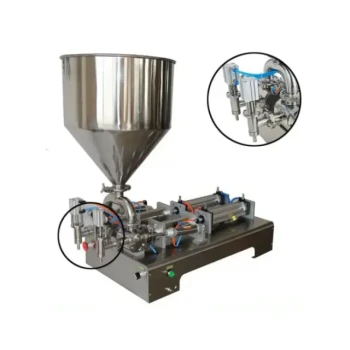
While the calendar manages the schedule, the filling machine manages the transition from raw product to branded commodity. These machines enable the sterile, standardized packaging required by modern retail markets.
During peak flows identified by the calendar, the machine's ability to handle bulk agricultural product rapidly is tested. Successful scheduling ensures the machine can meet the capacity demands of large-scale market supply without faltering.
Precision at High Velocity
Automatic filling machines are designed for high-precision quantitative filling. They ensure consistent net weights and minimize product overflow, which is critical when processing thousands of units per hour.
If the schedule is misaligned and machines are forced to run without maintenance during a peak, accuracy can drift. Proper calendar-based scheduling ensures machines are calibrated and maintained to preserve this precision, reducing product waste.
Ensuring Hygiene Standards
High-volume processing increases the risk of contamination if not managed correctly. Closed-pipe designs in modern machines prevent contact with external air, ensuring food safety standards are met.
However, these hygiene systems require cleaning cycles. The calendar helps operators weave these necessary sanitation protocols into the production schedule without halting the flow during critical harvest hours.
Understanding the Trade-offs
Historical Data vs. Climate Reality
A flowering calendar is based on historical averages, but weather is unpredictable. Climate variability can shift blooming periods by weeks, rendering a rigid schedule ineffective.
Relying solely on the calendar without real-time adjustments can lead to being under-prepared for an early bloom or over-staffed during a delayed season.
The Cost of Agility
Aligning strictly with nature means your production capacity must be elastic. During peak flows, you may need to run shifts 24/7, which increases labor costs and equipment wear.
Conversely, during dearth periods, expensive machinery sits idle. While this is efficient for maintenance, it represents a non-revenue-generating period that must be financially planned for.
Making the Right Choice for Your Operations
To effectively leverage a seasonal flowering calendar, you must balance historical data with operational flexibility.
- If your primary focus is Asset Longevity: Prioritize scheduling deep-clean and major repair cycles strictly during the identified dearth periods to extend machine life.
- If your primary focus is Throughput Volume: Use the calendar to ramp up staffing and pre-position packaging materials two weeks before the projected nectar flow begins.
- If your primary focus is Waste Reduction: Schedule calibration checks during the brief transitions between different flower blooms to ensure filling precision is maintained across different honey viscosities.
True operational efficiency is achieved not just by having the best machinery, but by knowing exactly when to push it to its limit and when to let it rest.
Summary Table:
| Operational Phase | Calendar Timing | Key Action | Benefit |
|---|---|---|---|
| Peak Production | High Nectar Flow | Intensive 24/7 Filling | Prevents bottlenecks; maximizes throughput |
| Equipment Care | Dearth Period | Preventive Maintenance | Extends machine life; avoids harvest downtime |
| Quality Control | Bloom Transitions | Calibration & Cleaning | Ensures filling precision & hygiene standards |
| Resource Planning | Pre-Bloom Phase | Staffing & Material Prep | Improves agility; reduces operational waste |
Maximize Your Apiary's Productivity with HONESTBEE
At HONESTBEE, we understand that commercial success in beekeeping requires more than just high-quality tools—it requires strategic precision. We support commercial apiaries and distributors by providing a comprehensive wholesale range of specialized hardware, from high-velocity honey-filling machines to advanced hive-making equipment.
Whether you are looking to scale your production or streamline your supply chain with our wide array of industry consumables and honey-themed cultural merchandise, we are here to help you transform seasonal nectar flows into stable, profitable industrial output.
Ready to upgrade your production capacity?
Contact HONESTBEE Today to discover how our equipment and machinery can optimize your honey processing efficiency.
References
- Bishnu Neupane, Jiban Shrestha. Diversity study and development of bee floral calendar for Kavrepalanchowk district, Nepal. DOI: 10.3126/janr.v7i1.73210
This article is also based on technical information from HonestBee Knowledge Base .
Related Products
- Precision Durable Efficient HONESTBEE Rotary Honey Filling Machine
- Semi Automatic Small Honey Bottle Filling Machine Honey Filler
- Economy Small Honey Filling Machine Honey Bottle Filler Packaging Machine
- Fully Automatic Honey Filling Packaging Machine for Processing Line
- Commercial Rotary Honey Filling Machine for Production
People Also Ask
- What is a key feature of the new generation of the honey filling machine? The Advanced Electronic Control Unit
- How do high-precision honey filling machines ensure quality? Optimize Your Commercial Production with HONESTBEE
- How do honey filling machines work? Achieve Precision & Speed for Your Apiary
- What are the common types of bottling machines used for honey? Choosing the Right Solution for Your Apiary
- What quality control role does professional honey filling equipment perform? Ensure Consistency and Product Stability