Selective extraction is the cornerstone of high-quality honey production. The preference for extracting only honey combs, rather than processing all combs indiscriminately, is strictly a measure of quality control. This practice prevents the contamination of the final product with excessive pollen and non-nectar substances, ensuring the chemical composition—specifically sugar ratios—remains within standard limits.
Core Takeaway Beehives contain combs that serve various biological functions beyond honey storage. By strictly isolating honey combs during extraction, producers prevent the alteration of sugar proportions and ensure the product meets rigorous regulatory standards for sucrose content and purity.
Preserving Chemical Integrity
Preventing Non-Nectar Contamination
A beehive is a complex environment where different combs serve different functions. Extracting all combs together invariably introduces materials that are not honey.
This "bulk" extraction method often leads to the inclusion of non-nectar substances. These impurities dilute the purity of the honey and can negatively affect its physical and chemical properties.
Controlling Pollen Density
One of the primary risks of extracting all combs is the introduction of excessive pollen density. While some pollen is natural in honey, an overabundance resulting from non-selective extraction is considered a quality defect in many commercial standards.
The Impact on Sugar Composition
Stabilizing Sugar Proportions
Honey quality is largely defined by its specific balance of sugars. Mixing non-honey combs into the extraction process alters these delicate sugar proportions.
Limiting Sucrose Levels
The primary reference highlights a direct correlation between non-selective extraction and increased sucrose levels. High sucrose content is often a marker of unripe honey or adulteration.
By extracting only honey combs, producers ensure that sucrose levels remain low, complying with the natural profile expected of pure honey.
Regulatory Compliance
Meeting Quality Standards
Selective extraction is essential for meeting specific food safety and quality regulations. The primary reference specifically cites standards such as Egypt standard ES: 355-1 / 2005.
Improving Quality Pass Rates
When producers use processes designed to extract only honey combs, the quality pass rate of the final product improves significantly. This reduces waste and ensures that the harvested honey is commercially viable without requiring extensive post-processing corrections.
Understanding the Trade-offs
The Requirement for Specialized Processes
Implementing selective extraction is not without operational constraints. It requires the use of equipment and processes specifically designed for honey comb extraction.
This implies a need for more precise sorting or machinery capable of distinguishing between comb types, rather than using a indiscriminate bulk harvesting method.
Making the Right Choice for Your Goal
To ensure your honey production meets professional standards, consider the following approach:
- If your primary focus is Regulatory Compliance: Strict isolation of honey combs is mandatory to meet reducing sugar and sucrose limits defined in standards like ES: 355-1 / 2005.
- If your primary focus is Product Purity: Avoid bulk extraction to prevent high pollen density and the introduction of non-nectar substances that alter flavor and chemistry.
Precision in extraction is the most effective way to guarantee a pure, compliant, and high-quality final product.
Summary Table:
| Extraction Method | Product Purity | Sugar Composition | Regulatory Compliance | Ideal For |
|---|---|---|---|---|
| Selective Honey Comb | High; no non-nectar contaminants | Balanced; low sucrose levels | High; meets standards like ES: 355-1 | Professional producers & high-end markets |
| Indiscriminate Bulk | Low; high pollen & impurities | Variable; risk of high sucrose | Low; likely to fail quality tests | Industrial use or non-regulated markets |
Elevate Your Honey Production with HONESTBEE
For commercial apiaries and distributors, precision is the key to profitability. At HONESTBEE, we empower your business with the professional-grade tools needed to master selective extraction. Whether you require specialized honey-filling machines or high-capacity honey extraction equipment, our comprehensive wholesale catalog is designed to ensure your product meets the highest chemical integrity and regulatory standards.
Ready to optimize your yield and guarantee purity? Contact us today to explore our full spectrum of beekeeping machinery and essential industry consumables. Let us help you deliver excellence from hive to bottle.
References
- Rasha, Mohaned M. Abou Setta. FACTOR AFFECTING BEE HONEY QUALITY ACCEPTANCE INCLUDING CONTENTS AND EXTRACTION METHOD. DOI: 10.51470/plantarchives.2021.v21.no2.047
This article is also based on technical information from HonestBee Knowledge Base .
Related Products
- Modern Honeycomb Pattern Wooden Honey Dipper for Stirring and Drizzling
- Heart-Shaped Comb Honey Frame and Honeycomb Cassette
- Plastic Honey Comb Frames Cassette Box for Honey
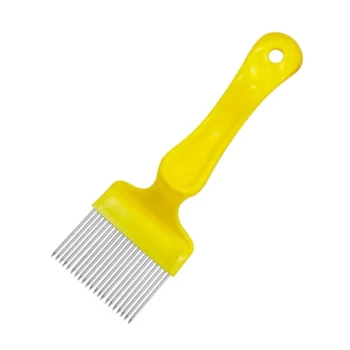
- Professional Bent Tine Honey Uncapping Fork with Ergonomic Grip
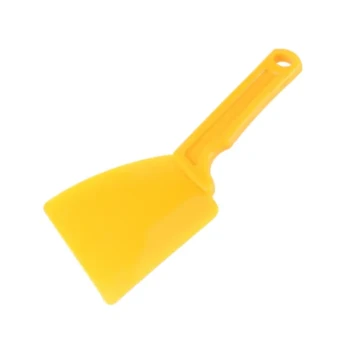
- Professional Wide Blade Honey Scraper for Beekeeping and Honey Processing
People Also Ask
- What is the proper method for cleaning a honey dipper? Maintain Pure Flavor with These Easy Pro Tips
- What is a honey dipper and what is it used for? A Guide to Mess-Free Drizzling
- What is a honey dipper? Master the Art of the Perfect Drizzle with This Essential Tool
- What is a honey taking spoon called? Discover the Tool for a Perfect, Mess-Free Drizzle
- How do you clean and store a honey dipper? Simple Steps for Long-Lasting Performance