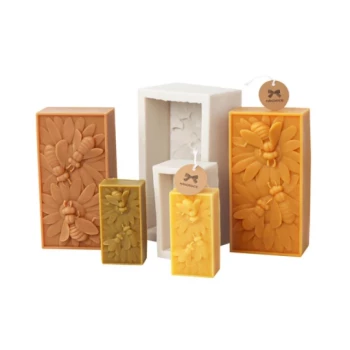
The filtration and bleaching status of beeswax is the primary determinant of the material's mechanical performance and aesthetic authenticity. Filtration is a functional necessity that removes hive debris to ensure smooth application in products like candles and soaps. Conversely, the choice between bleached and unbleached wax is an aesthetic decision, dictating whether the final product retains the wax's natural golden hue and honey scent or utilizes a chemically neutralized base.
Effective filtration is non-negotiable for preventing structural defects in crafts, while the decision to use unbleached wax is key for artisans prioritizing natural aesthetics and avoiding harsh chemical additives.
The Critical Role of Filtration
Removing Physical Contaminants
Raw beeswax harvested directly from the hive is naturally filled with impurities. Filtration is essential to remove debris such as propolis, pollen, and bee parts.
Ensuring Material Consistency
For applications like soap production, the texture of the wax is paramount. Thorough filtration ensures a smooth consistency, preventing gritty textures that would ruin the tactile experience of the final product.
Preventing Performance Failure
In candle making, the presence of impurities is a functional hazard. Debris left in unfiltered wax can clog the wick, resulting in a poor burn or a candle that fails to stay lit.
The Aesthetic and Chemical Impact of Bleaching
Preserving Visual Authenticity
The bleaching status of the wax dictates its color palette. Unbleached beeswax retains its original golden hue, offering a warm, organic appearance that is highly valued in rustic or natural product lines.
Retaining Natural Aromatics
Beyond color, the bleaching process strips away the wax's volatile oils. Unbleached wax preserves the natural scent of honey, adding an olfactory dimension to the craft without the need for synthetic fragrances.
Avoiding Chemical Processing
Bleaching typically involves the introduction of harsh chemical whiteners. For artisans focused on "clean" or organic crafting, unbleached wax is the superior choice as it maintains the integrity of the material without toxic additives.
Understanding the Trade-offs
The Limitation of Natural Color
While unbleached wax offers authenticity, its strong yellow color acts as a base dye. This makes it difficult to color the wax with other pigments, as the natural yellow will alter the final shade (e.g., adding blue dye may result in green wax).
The Necessity of Processing
While "natural" is often preferred, skipping filtration is not an option for professional-grade results. You cannot trade the mechanical purity provided by filtration for a "raw" appeal; the product must be filtered to function, regardless of its bleaching status.
Making the Right Choice for Your Project
To select the correct beeswax for your specific application, consider the following:
- If your primary focus is natural crafting: Prioritize unbleached, filtered wax to avoid chemicals while retaining the signature golden color and honey scent.
- If your primary focus is product reliability: Ensure the wax has undergone rigorous filtration to eliminate debris that compromises candle burning or soap texture.
Ultimately, succesful beekeeping crafts rely on wax that is strictly filtered for performance, while the choice to bleach is reserved for those willing to sacrifice natural character for a neutral color.
Summary Table:
| Feature | Filtered (Required) | Unbleached (Natural) | Bleached (Processed) |
|---|---|---|---|
| Purpose | Removes hive debris & impurities | Preserves natural state | Creates a neutral white base |
| Appearance | Smooth & uniform texture | Golden-yellow hue | Pure white/colorless |
| Aroma | Neutralized impurities | Natural honey scent | Odorless (scent removed) |
| Key Benefit | Prevents wick clogging/grittiness | Chemical-free & organic | Easy to dye & customize |
| Best For | All professional crafts | Rustic candles & organic soaps | Color-specific cosmetics |
Elevate Your Apiary Business with HONESTBEE
At HONESTBEE, we understand that high-quality beeswax is the foundation of premium beekeeping crafts. Whether you are a commercial apiary or a distributor, we provide the expert tools and machinery needed to process wax to the highest standards.
Our comprehensive wholesale offering includes:
- Advanced Machinery: Precision hive-making and honey-filling machines for seamless production.
- Beekeeping Equipment: A full spectrum of professional-grade tools for modern apiaries.
- Wholesale Consumables: From premium wax supplies to honey-themed cultural merchandise.
Partner with us to enhance your production efficiency and deliver superior value to your customers. Contact HONESTBEE today to explore our wholesale solutions!
Related Products
- Beeswax Machine Press Embosser Wax Foundation Mold Printer Bee Hive Equipment Making Sheet
- Beeswax Foundation Sheets Beehive Foundation for Wholesale
- Colorful Silicone Beeswax Foundation Mold Mould for Beekeeping
- Economy Manual Beeswax Embossing Mill Wax Foundation Machine Roller
- Electric Beeswax Flat Sheet Machine with Operating Tray for Wax Processing
People Also Ask
- What equipment is needed to make beeswax foundation? A Guide to DIY Wax Sheet Production
- What miscellaneous equipment is needed for making foundation? A Guide to the Essential Tools
- What miscellaneous equipment is useful when making beeswax foundation? Essential Support Tools for Beekeepers
- What specific equipment is required for making beeswax foundation? Essential Tools for High-Quality Production
- What is the recommended temperature for melting beeswax to make foundation sheets? Master the 70°C-80°C Ideal Range