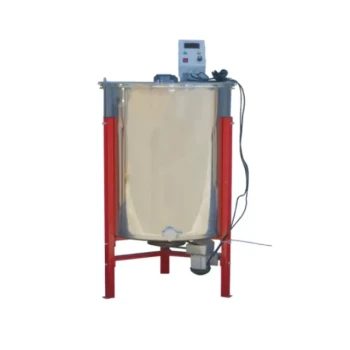
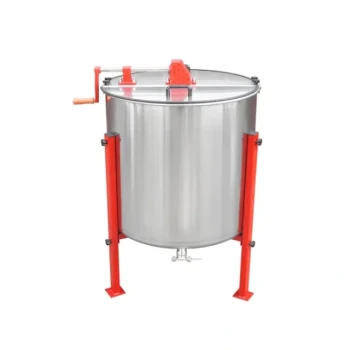
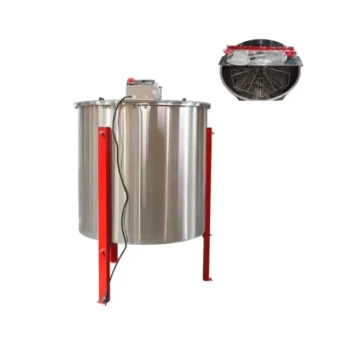
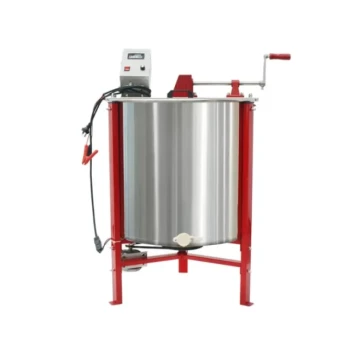
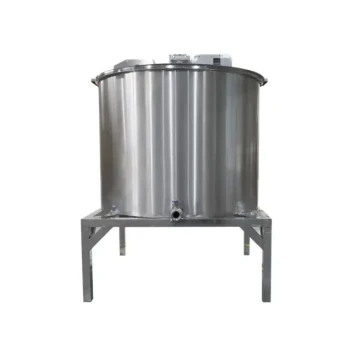
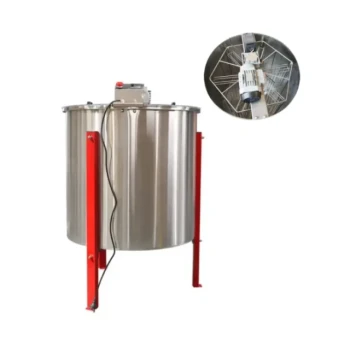
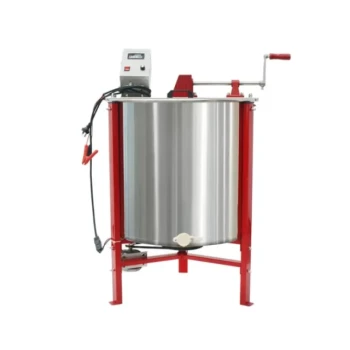
Immediate processing is the critical defense against rapid biological spoilage. Once honey supers are removed from the protection of the colony, they become highly vulnerable targets for Small Hive Beetles. Utilizing industrial-grade centrifugal extraction machinery immediately after harvest is required to drastically reduce the exposure time of the raw material, thereby preventing beetle larvae from hatching and inducing fermentation that would ruin the crop.
The Core Reality In regions with high Small Hive Beetle activity, speed is a biological necessity rather than just an operational preference. Immediate centrifugal extraction removes the honey before beetle eggs can hatch into larvae, breaking the cycle of fermentation and spoilage that renders the product commercially worthless.
The Critical Vulnerability of Harvested Honey
Loss of Colony Protection
While inside the hive, honey frames are actively defended by the bee colony. The moment you remove honey-filled supers and transport them to your facility, they lose this biological defense system.
The Window of Opportunity
This removal creates an immediate window of opportunity for Small Hive Beetles. Without the bees to harass them, beetles can lay eggs, or existing eggs can hatch without check. The primary reference emphasizes that the exposure time of the raw material is the single biggest risk factor during this phase.
Mechanics of Prevention: How Speed Saves the Crop
Inhibiting Larval Hatching
The immediate application of centrifugal force does more than just extract fluid; it disrupts the beetle's lifecycle. By processing the honey immediately—ideally completing purification within two to three days—you extract the honey before beetle larvae can emerge.
preventing Fermentation and Spoilage
If left unprocessed, hatching larvae will consume the honey and defecate within it. This biological activity introduces yeast (specifically Kodamaea ohmeri) and causes the honey to ferment.
Fermentation is irreversible. Once the honey begins to spoil and smell of fermentation, it loses its sensory quality and economic value. Furthermore, the scent of fermented honey attracts more beetles, creating a compounding problem for the facility.
Operational Hygiene and Equipment
The Role of Industrial Machinery
Manual extraction methods are too slow to outpace the beetle's lifecycle in high-infestation areas. Industrial centrifugal machinery provides the high-speed throughput necessary to minimize the "time-to-bottle."
Managing Debris and Cappings
Speed must be paired with cleanliness. As noted in the primary reference, strict hygiene management is required. This involves the rapid removal of:
- Wax cappings: These can harbor beetle eggs.
- Debris: Any organic matter left on the floor or equipment serves as a breeding ground.
Understanding the Trade-offs
Equipment vs. Biology
While centrifugal extractors are efficient, they do not "sterilize" the honey of beetle eggs on their own; they simply move the honey away from the comb before damage occurs. The machinery relies on continuous throughput. If the machinery stops or if "wet" cappings are left in a pile overnight, the infestation will proceed regardless of the equipment used.
Preservation of Assets
A secondary but critical advantage of centrifugal extraction is that it preserves the physical structure of the honeycomb. Manual squeezing destroys the comb. By keeping the frame intact, you can return it to the hive, saving the colony the significant energy required to rebuild wax. This allows the colony to recover faster and resume defending the hive against future beetle attacks.
Making the Right Choice for Your Operation
To effectively manage Small Hive Beetle risks, align your extraction process with these priorities:
- If your primary focus is Pest Control: Ensure extraction and purification are completed within 48 to 72 hours of harvesting to prevent larvae hatching.
- If your primary focus is Product Quality: Combine immediate centrifugation with automated filling lines to minimize air exposure and prevent fermentation.
- If your primary focus is Long-Term Yield: Utilize centrifugal extraction to preserve comb integrity, allowing colonies to focus energy on honey production rather than wax rebuilding.
Success in beetle-prone areas relies on closing the time gap between harvest and processing to ensure the pests never have the time to destroy your work.
Summary Table:
| Factor | Manual Extraction | Industrial Centrifugal Extraction |
|---|---|---|
| Processing Speed | Slow; high risk of spoilage | Rapid; outpaces beetle lifecycle |
| Pest Mitigation | Poor; allows eggs to hatch | Excellent; minimizes exposure window |
| Product Integrity | High risk of fermentation | Prevents biological spoilage |
| Comb Preservation | Destroys wax comb | Preserves comb for colony reuse |
| Hygiene Control | Difficult to manage debris | Optimized for rapid waste removal |
Secure Your Harvest with HONESTBEE Professional Solutions
In high-infestation regions, every hour counts. HONESTBEE empowers commercial apiaries and distributors with high-throughput centrifugal extraction machinery and automated honey-filling lines designed for rapid processing.
Our comprehensive range of beekeeping tools, specialized hardware, and industrial consumables ensures your facility stays ahead of the Small Hive Beetle threat. By partnering with us, you gain access to machinery that not only maximizes efficiency but also preserves your valuable honeycomb assets for future yields.
Ready to upgrade your processing speed and protect your honey quality?
Contact HONESTBEE Today for Wholesale Solutions
References
- W. Michael Hood. Overview of the small hive beetle,<i>Aethina tumida</i>, in North America. DOI: 10.1080/0005772x.2000.11099483
This article is also based on technical information from HonestBee Knowledge Base .
Related Products
- Manual Hand Crank 4 Frame Honey Extractor Centrifuge for Beekeeping
- electric honey extractor honey centrifuge 3 frame honey extractor stainless steel honey frame extractor
- Professional 4 Frame Self Reversing Electric Honey Extractor for Beekeeping
- 24 Frame Honey Extractor Commercial Radial Honey Frame Extraction Machine
- Stainless Steel Manual 8 Frame Radial Honey Extractor Machine for Beehives
People Also Ask
- What are some tips for achieving efficient honey extraction with a centrifuge extractor? Maximize Your Yield & Efficiency
- What is the proper procedure for maintaining a centrifuge honey extractor? Expert Tips for Longevity and Hygiene
- What are the advantages of using a centrifuge honey extractor? Maximize Yields and Protect Your Honeycombs
- Which type of honey extractor is generally more durable? Focus on Material & Build Quality for Longevity
- What is a manual honey extractor? The Essential Guide to Cost-Effective Beekeeping for Beginners