The implementation of Lift Assist Systems is a mandatory safety measure during high-intensity honey production because the physical demands of the season frequently exceed safe human limits. During peak flows, individual honey supers can reach or exceed 35kg, creating a weight load that poses an immediate threat to the beekeeper's spinal health if managed manually.
By utilizing mechanical advantages like pulleys or pneumatic lifts, these systems neutralize the danger of lifting hives above shoulder height or moving them over distances. They are not just convenience tools; they are essential safety barriers against acute spinal injuries during peak production.
The Physical Reality of Peak Season
During high-intensity production, the volume of honey creates a specific set of physical challenges that manual labor cannot safely address.
The Weight Threshold
The core driver for this technology is the sheer mass of the product. Individual honey supers often hit a critical weight threshold of 35kg or more.
Handling this weight repetitively is physically unsustainable for the human body without assistance.
The Mechanics of Injury
The risk is not just the weight itself, but how that weight is manipulated. Injuries are most likely to occur when beekeepers attempt to lift these heavy hives above shoulder height.
Furthermore, carrying these loads over long distances significantly increases the duration of spinal compression, leading to acute strain.
How Lift Assist Systems Intervene
The function of a Lift Assist System is to decouple the weight of the honey from the beekeeper’s body.
Mechanical Advantage
These systems utilize technologies such as pulleys or pneumatic lifts.
By leveraging these mechanisms, the equipment bears the majority of the weight, rather than the beekeeper's musculature.
Injury Prevention
The primary medical goal of these systems is the prevention of specific musculoskeletal disorders.
They are designed to stop acute lower back strains and spinal disc injuries that are common in environments requiring unassisted heavy lifting.
Understanding the Trade-offs
While Lift Assist Systems are protective, their implementation represents a shift in operational reliance.
Equipment Dependence vs. Physical preservation
The trade-off in adopting this technology is the requirement to rely on mechanical equipment (pulleys and pneumatics) rather than manual speed and agility.
However, opting out of this mechanical assistance accepts a high probability of physical injury. The "cost" of the system is the alternative to the biological cost of spinal damage.
Making the Right Choice for Your Goal
To determine how to best integrate Lift Assist Systems into your operation, consider your immediate priorities.
- If your primary focus is Workforce Longevity: Prioritize these systems to eliminate the risk of spinal disc injuries caused by lifting above shoulder height.
- If your primary focus is Operational Capacity: Implement these systems to reliably handle supers exceeding 35kg without fatiguing your team.
Investing in mechanical assistance is the only viable method to sustain high-volume production without sacrificing physical health.
Summary Table:
| Feature | Impact on Manual Labor | Benefit of Lift Assist Systems |
|---|---|---|
| Load Weight | Supers >35kg cause acute strain | Mechanical systems bear the majority of the weight |
| Lifting Height | Above shoulder height risks disc injury | Pulleys and pneumatics neutralize vertical lifting risks |
| Distance | Long carries increase spinal compression | Specialized equipment reduces physical transport fatigue |
| Workforce | High risk of burnout and injury | Ensures long-term workforce longevity and safety |
Maximize Your Apiary’s Productivity with HONESTBEE
High-intensity honey production shouldn't come at the cost of your team's physical health. At HONESTBEE, we specialize in supporting commercial apiaries and distributors with a comprehensive range of professional-grade beekeeping tools, machinery, and essential consumables. From advanced hive-making technology to specialized honey-filling machines, our portfolio is designed to enhance your operational capacity while ensuring safety.
Ready to upgrade your commercial beekeeping operation? Contact our expert team today to explore how our wholesale machinery and equipment can protect your workforce and streamline your harvest.
References
- Deborah I. Fels, Marcus Foth. Ergonomics in apiculture: A case study based on inspecting movable frame hives for healthy bee activities. DOI: 10.1016/j.heliyon.2019.e01973
This article is also based on technical information from HonestBee Knowledge Base .
Related Products
- Ergonomic Two Person Foldable Hive Lifter
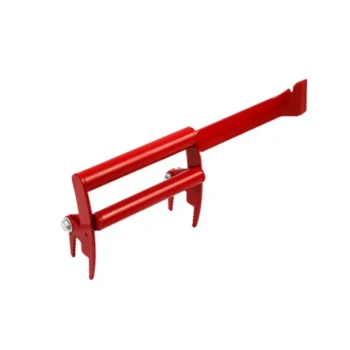
- Heavy-Duty Lever-Action Frame Grip with Hive Tool
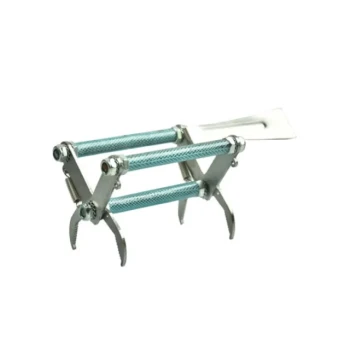
- Professional 3-Bar Frame Grip with Integrated Hive Tool
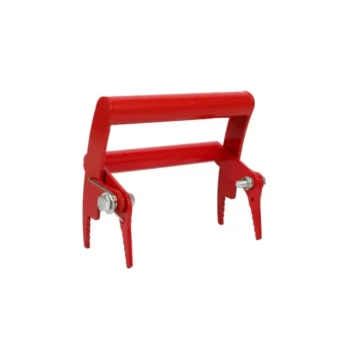
- Heavy-Duty Plier Action Frame Grip
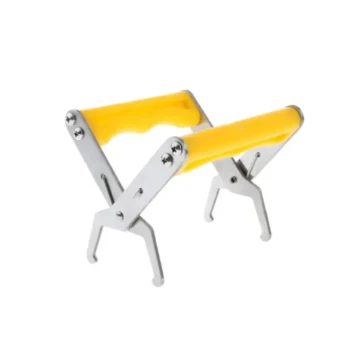
- Ergonomic High Visibility Plastic Frame Grip Handles
People Also Ask
- Why is professional beehive transportation and lifting equipment necessary? Maximize Your Migratory Beekeeping Yield
- Why is ergonomic height adjustment of beehives necessary in commercial beekeeping operations? Optimize Efficiency & ROI
- How does the frame lifter hive tool function? Master Safe and Gentle Frame Removal
- What is the specific design and purpose of a frame lifter hive tool? Master Gentle Hive Inspections
- What is one type of hive lifting tool available to beekeepers? A Simple Solution for Heavy Hives