Installing a galvanized wire mouse guard is a definitive hardware intervention designed to secure a honey bee colony during its dormant winter phase. This device utilizes a specific mesh size that creates an impenetrable physical barrier against rodents while simultaneously permitting essential airflow for bee respiration and hive ventilation. Failure to install this component exposes the inactive winter cluster to predation and structural destruction, significantly lowering colony survival rates.
The mouse guard serves a vital dual function: it blocks destructive rodents from entering the hive while maintaining the critical ventilation required for colony respiration. By preventing honeycomb damage and physical disturbance during the bees' inactive period, this component is essential for ensuring overwintering success.
The Mechanics of Hive Protection
The Necessity of Specific Mesh Sizing
The effectiveness of a galvanized wire mouse guard relies entirely on its design specifications. It features a mesh size calculated to be small enough to physically block mice and other rodents from squeezing through the entrance.
However, the mesh is open enough to allow air to pass freely. This specific calibration ensures that while the physical threat is neutralized, the biological need for oxygen and gas exchange is not compromised.
Preserving the Winter Cluster
During the overwintering period, honey bees form a tight cluster to conserve heat and energy. They are largely inactive and defenseless against intruders.
A mouse entering the hive during this phase causes severe disturbance to this cluster. If the cluster is broken due to stress or agitation, the bees lose their thermal balance and may freeze or die from stress, leading to colony loss.
Preventing Structural Damage
Beyond disturbing the bees, rodents seek warmth and food inside the hive. Without a guard, they will chew through frames and destroy the wax honeycombs.
This physical damage ruins the colony's infrastructure and depletes the stored resources the bees rely on for survival. The mouse guard acts as the primary line of defense against this irreversible hardware destruction.
Understanding the Trade-offs
Potential for Debris Accumulation
While the mouse guard is essential for protection, the restriction of the entrance can create a secondary issue. The mesh barrier can trap dead bees or debris that would normally be cleared out or fall away.
If this debris accumulates behind the wire mesh, it can block airflow. This turns a protective device into a suffocation hazard, so periodic checks are necessary to ensure the "respiration" function mentioned in your primary reference remains effective.
Timing Verification
The installation of the guard must be timed correctly with the onset of the inactive season. If installed too late, you run the risk of trapping a rodent inside the hive.
Once a mouse is trapped inside with the guard in place, the colony faces guaranteed disruption and damage, negating the purpose of the hardware.
Making the Right Choice for Your Goal
To maximize the effectiveness of your overwintering strategy, consider how this hardware interacts with your specific management objectives.
- If your primary focus is physical asset protection: Install the guard early in the fall to prevent rodents from destroying honeycombs and wooden frames.
- If your primary focus is colony respiration: Monitor the guard periodically throughout the winter to ensure the mesh remains clear of dead bees and allows proper ventilation.
By securing the entrance with a galvanized guard, you convert a vulnerable opening into a controlled, safe environment for your bees.
Summary Table:
| Feature | Function & Benefit |
|---|---|
| Mesh Calibration | Blocks rodents while allowing essential airflow and gas exchange. |
| Cluster Protection | Prevents physical disturbance, maintaining the bees' thermal balance. |
| Structural Integrity | Protects wax honeycombs and wooden frames from chewing and destruction. |
| Material Durability | Galvanized wire resists corrosion and provides a heavy-duty physical barrier. |
| Success Factor | Directly increases colony survival rates during inactive dormant phases. |
Secure Your Apiary for Winter Success with HONESTBEE
Protecting your honey bee colonies from winter threats requires more than just high-quality hardware—it requires the right partner. HONESTBEE specializes in catering to commercial apiaries and distributors with a comprehensive wholesale offering designed for industry-scale success.
From durable galvanized wire mouse guards to precision hive-making and honey-filling machines, we supply the full spectrum of beekeeping tools and essential consumables. Our portfolio is built to enhance your efficiency and safeguard your investments.
Ready to upgrade your wholesale supply or scale your operations?
Contact HONESTBEE Today to discover how our high-performance equipment and global supply chain can benefit your business.
References
- J. Carter Loftus, Thomas D. Seeley. How Honey Bee Colonies Survive in the Wild: Testing the Importance of Small Nests and Frequent Swarming. DOI: 10.1371/journal.pone.0150362
This article is also based on technical information from HonestBee Knowledge Base .
Related Products
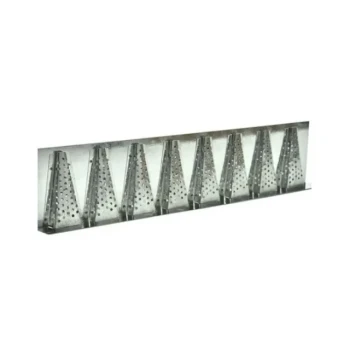
- 8-Cone Galvanized Steel Bee Robber Guard
- Durable Galvanized Steel Frame Grip
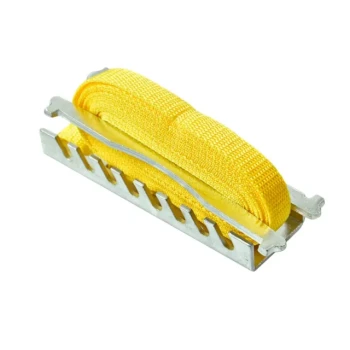
- Professional Galvanized Hive Strap with Secure Locking Buckle for Beekeeping
- Professional Galvanized Steel Frame Rest for Beehives
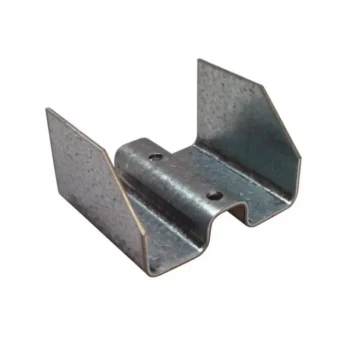
- Heavy-Duty Galvanized Steel W-Style Pallet Clip
People Also Ask
- What protective functions do beehive entrance guards provide? Defend Your Hive Against Wasps and Moths
- What is the primary function of protective guards at hive entrances? Block Rodents & Boost Winter Survival Rates
- How do conical metal guards or rubber inner tubes function as pest control tools? Stop Ants with Mechanical Barriers
- What is the function of Hive Entrance Guards? Master Bee Colony Defense Against Small Hive Beetles
- How can hardware mesh be applied to a beehive entrance for winter protection? Secure Your Colony Against Pests