Paint-marking queen bees acts as a definitive visual anchor for managing colony genetics and verifying data integrity. This process allows apiary managers and breeders to instantly confirm a colony’s genetic background, track specific traits like disease resistance, and distinguish the original queen from a natural replacement.
The Core Insight: In the high-stakes environment of commercial breeding, a marked queen is the only way to guarantee that performance data belongs to specific genetics rather than a random natural replacement.
Ensuring Genetic Integrity
Verifying Genetic Background
In complex commercial pollination environments, maintaining specific traits is essential. Paint-marking allows managers to accurately identify the genetic lineage of a specific colony.
This ensures that critical characteristics, such as Varroa resistance, are consistently present throughout the production cycle. Without this visual verification, it is impossible to confirm if the colony is still operating under the desired genetic parameters.
Validating Experimental Data
For breeding programs, data accuracy is paramount. Marking is vital for maintaining the integrity of experimental data over the honey bee's lifespan.
It allows technicians to attribute performance metrics—such as egg-laying rates—to a specific individual. This prevents data contamination that would occur if a queen were replaced unbeknownst to the researcher.
Monitoring Colony Dynamics
Detecting Supersedure
One of the most critical reasons for marking is to identify natural supersedure. This occurs when a colony naturally replaces an underperforming queen with a new daughter.
If a technician opens a hive and sees an unmarked queen, they immediately know the original queen has been replaced. This distinction is vital for accurate assessments of queen survival and retention status.
Rapid Assessment and Tracking
Specialized markings provide a clear visual identifier that speeds up hive inspections. Technicians can rapidly assess the lifespan and retention status of a queen during swarming seasons without searching for subtle physical cues.
This efficiency is crucial when managing large numbers of colonies, allowing for quick decisions regarding colony health and management interventions.
Technical Execution and Materials
Precision Application
The marking material is applied specifically to the thoracic dorsal plate of the queen. This location provides high visibility while ensuring the paint does not interfere with the queen's physiological functions or movement.
Choosing the Right Material
The choice of marking fluid affects both visibility and acceptance. Typing correction fluid is highly effective because it dries rapidly and contains aliphatic hydrocarbon solvents, which do not appear to negatively affect the queen's odor profile.
Water-based art pens offer a balance of convenience and variety, combining paint and applicator into one tool. Enamel paints (model paints) offer color variety but may require longer drying times, which can be a liability during reintroduction.
Common Pitfalls and Trade-offs
The Risk of Olfactory Rejection
The success of marking relies on the colony accepting the queen back immediately. If a marking fluid has a strong, lingering odor or takes too long to dry, the worker bees may reject the queen.
This can lead to "balling," where workers surround and overheat the queen, or outright killing her. Fast-drying fluids with neutral odors minimize this risk.
Durability vs. Safety
While enamel paints may offer durability, their slower drying time increases the handling time and the risk of rejection. Conversely, water-based options are safer and faster but may fade over long-term tracking.
Breeders must balance the need for a permanent mark against the immediate safety of the queen during application.
Making the Right Choice for Your Goal
If your primary focus is Genetic Breeding:
- Prioritize marking to strictly monitor for supersedure; if the mark disappears, you must exclude that colony's data from your genetic evaluation.
If your primary focus is Commercial Management:
- Use high-visibility markings (like water-based pens) to speed up inspections and rapidly confirm queen survival during peak pollination seasons.
Proper marking transforms a queen from a random insect into a traceable, verifiable data point.
Summary Table:
| Key Aspect | Purpose | Preferred Materials |
|---|---|---|
| Genetic Integrity | Confirms lineage & traits like Varroa resistance | Rapid-dry marking fluids |
| Data Validation | Prevents contamination by tracking specific individuals | Specialized hardware/marking tools |
| Colony Dynamics | Identifies natural supersedure & queen replacement | High-visibility paint pens |
| Efficiency | Accelerates hive inspections & survival assessments | Water-based art pens / Enamel |
Maximize Your Apiary’s Potential with HONESTBEE
Precise queen tracking is only the beginning of a successful commercial operation. At HONESTBEE, we empower commercial apiaries and distributors with high-performance tools and machinery designed for the modern beekeeping industry.
Our value to you:
- Comprehensive Inventory: From specialized hive-making and honey-filling machines to essential industry consumables.
- Wholesale Expertise: Tailored solutions for large-scale operations and distributors seeking reliable, high-quality equipment.
- Global Reach: Supplying the full spectrum of hardware and honey-themed cultural merchandise to elevate your brand.
Ready to scale your production and secure your genetic data? Contact us today to explore our wholesale offerings and see how our equipment can transform your efficiency.
References
- Robert G. Danka, José D. Villa. Functionality of Varroa-Resistant Honey Bees (Hymenoptera: Apidae) When Used in Migratory Beekeeping for Crop Pollination. DOI: 10.1603/ec11286
This article is also based on technical information from HonestBee Knowledge Base .
Related Products
- Queen Bee Marking Pen POSCA Queen Marking Pens for Beekeeping Bee Markers
- Queen Bee Marking Pen UNI Medium Point for Queen and Bee Marking
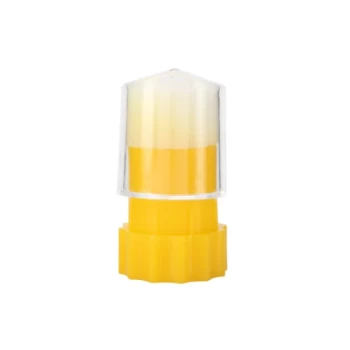
- Queen Bee Catcher Plastic Bee Marker Bottle with Piston Marking Tube
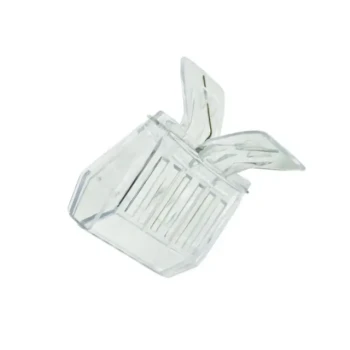
- One Hand Yellow Queen Marking Catcher Tube Cage Beekeeper Tool Accessory for Queen Bee
- Queen Bee Marking Tube Cage Bottle Catcher Holder with Clear Plastic Plunger Marker
People Also Ask
- What role do specialized marking pens and color-coding systems play in honeybee tracking? Enhance Research Precision
- Why are specialized marking pens used for stingless bee queens? Essential Tools for Large-Scale Breeding Success
- How should a new paint pen be primed before marking a queen bee? Essential Tips for Safe & Clear Markings
- How should a queen bee marking pen tip be properly primed? Master the Art of Safe Queen Marking
- What specifications are required for a high-quality queen bee marking pen? Ensure Safety and Precision for Your Colony