Periodic removal of old and darkened wax combs is the most effective preventative measure against Wax Moth infestations because these specific combs serve as the primary food source and breeding ground for the pest. By systematically removing these combs, you eliminate the favorable environment required for moth larvae to thrive, stopping the infestation cycle before it causes structural damage to the hive.
Wax Moths thrive on the protein residues found in darkened, unmanaged wax. Removing these combs starves the pest population while simultaneously reducing the patrol area for worker bees, allowing the colony to defend a more compact and manageable space.
Disrupting the Wax Moth Lifecycle
Eliminating the Primary Breeding Ground
Wax Moths do not typically infest clean, new wax; they primarily target old, dark combs. These combs contain layers of cocoon remnants, pollen, and waste from previous bee broods, which provide the essential nutrients Wax Moth larvae need to grow.
Removing the Food Source
When you remove these darkened combs, you are physically removing the larval food supply. Without this nutrient-rich medium, the Wax Moth larvae cannot develop, effectively breaking the reproductive cycle of the pest.
Targeting Unmanaged Spaces
Wax Moths prefer to lay eggs in spaces that are unmanaged or abandoned by the bee colony. Old combs often sit in the periphery of the hive where bee traffic is low. Removing them eliminates these "blind spots" where pests can multiply undetected.
Enhancing Colony Efficiency
Reducing Defensive Pressure
A colony has a finite number of worker bees available to patrol and defend the hive. When a hive is cluttered with unused, old combs, the workforce is stretched thin trying to guard excessive territory.
Focusing Colony Energy
By removing unnecessary combs, you allow the bees to condense their population. This concentration of forces makes it significantly easier for worker bees to maintain a hygienic internal environment and actively police the remaining area against intruders.
Preventing Structural Damage
Left unchecked, Wax Moth larvae burrow through combs, leaving behind webbing and debris. This destroys the hive structure. Periodic removal prevents this physical degradation, ensuring the hive interior remains navigable and usable for the bees.
Understanding the Trade-offs
Balancing Wax Assets vs. Hygiene
While removing old comb is necessary for hygiene, wax is a valuable asset that requires significant energy for bees to rebuild. The trade-off is the operational cost of replacing drawn comb versus the risk of losing a colony to infestation.
The Necessity of Proper Storage
Simply removing the comb from the hive is not enough if you intend to reuse it. Removed combs are still vulnerable to destruction if not stored correctly.
Storage and Preservation
To protect these "wax assets" for future flowering seasons, removed combs must be managed through specialized cold storage or airtight fumigation. This step is critical to kill any eggs or larvae already present before the combs are stored.
Making the Right Choice for Your Goal
To effectively manage your apiary against Wax Moths, consider your specific objectives:
- If your primary focus is immediate pest suppression: Remove and melt down the darkest combs immediately, as these act as a magnet for moth egg-laying.
- If your primary focus is long-term resource management: Remove old combs and immediately place them in cold storage to interrupt the pest lifecycle while preserving the wax for reuse.
By integrating comb rotation into your routine management, you convert a passive pest risk into an active defense system for your colony.
Summary Table:
| Factor | Old/Darkened Combs | New/Clean Combs |
|---|---|---|
| Nutrient Content | High (Cocoon remnants, pollen, waste) | Low (Pure beeswax) |
| Wax Moth Attraction | High (Primary food source) | Low (Rarely targeted) |
| Colony Defense | Harder to patrol (Increased area) | Easier to defend (Compact space) |
| Management Action | Periodic removal & melting | Preservation & protection |
| Structural Risk | High (Burrowing & webbing) | Low (Fresh construction) |
Secure Your Apiary Productivity with HONESTBEE
Protecting your honey production requires professional-grade solutions. At HONESTBEE, we specialize in supporting commercial apiaries and distributors with high-performance beekeeping tools and machinery. Whether you need specialized honey-filling machines for your harvest or high-durability hive-making hardware to replace old stock, we provide the full spectrum of industrial-grade equipment and consumables.
Don't let pests compromise your colony's efficiency. Partner with an industry leader to scale your operations with confidence. Contact us today to explore our wholesale catalog and customized machinery solutions!
References
- Asrat Diriba, Dereje Andualem. Causes of honeybee colony decline in south Ethiopia. DOI: 10.51227/ojafr.2023.39
This article is also based on technical information from HonestBee Knowledge Base .
Related Products
- Manual Beeswax Comb Foundation Machine Wax Foundation Mill Embossing Machine
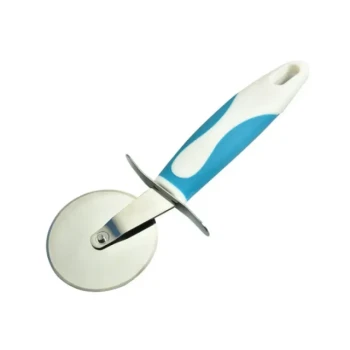
- Professional Rolling Wax Cutter with Ergonomic Handle
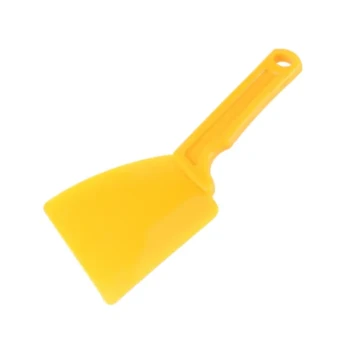
- Professional Honey Scraper for Efficient Apiary Maintenance
- Professional Wide Blade Honey Scraper for Beekeeping and Honey Processing
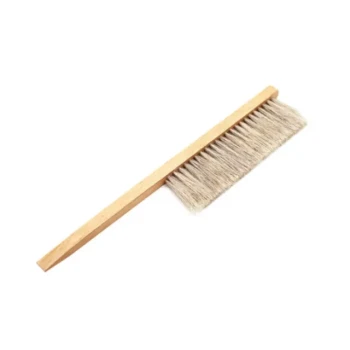
- Wooden Bee Brush with Double-Row Horsehair Bristles
People Also Ask
- What are the primary technical challenges faced by beeswax foundation production machinery? Tackling Lipophilic Residues
- What are the advantages of implementing a pulley and belt drive system in beeswax foundation machinery? Master Quality.
- What role does a foundation machine play in the recycling and resource utilization of beeswax within an apiary?
- Why is the introduction of a beeswax foundation machine considered an important step in improving honey yields?
- How do beeswax foundation machines facilitate the internal recycling of beeswax? Build a Self-Sustaining Apiary