Proper sealing is the cornerstone of honey production quality control, acting as the primary defense against spoilage and degradation. It is considered a critical component because it preserves the honey's freshness, flavor profile, and overall quality by creating a barrier against environmental contaminants. An effective seal locks in natural sweetness and is the determining factor in achieving an extended shelf life.
The function of a honey jar seal extends beyond simple containment; it is a critical preservation system that maintains the chemical stability of the honey, preventing moisture absorption and ensuring the product meets rigorous safety standards for international trade.
The Science of Preservation
Controlling Moisture and Fermentation
Honey is naturally hygroscopic, meaning it actively attracts and absorbs moisture from the air.
If a jar is not sealed with airtight precision, the honey will pull in external humidity.
This increase in water content destabilizes the honey, creating an environment ripe for fermentation and spoilage, rendering the product unsellable.
Preventing Oxidation
Exposure to air is detrimental to the sensory qualities of honey.
Effective sealing prevents oxidation, a chemical process that leads to flavor degradation.
Without this barrier, the honey may suffer from undesirable changes in texture and a loss of its original, distinct taste.
Maintaining Bioactive Stability
For specialized varieties, such as stingless bee honey, the stakes are even higher due to their medicinal value.
Proper sealing maintains the physicochemical properties and bioactive components of the honey.
This is essential for preserving the product's health benefits and ensuring it passes laboratory analysis for nutrient composition.
Economic and Commercial Impact
Enabling Market Expansion
The quality of the seal dictates the scalability of a honey business.
Robust sealing allows producers to transition from small-scale workshops to commercial enterprises by ensuring the product survives transport.
It ensures the product meets entry standards for inter-regional and international trade, opening access to premium global markets.
Building Brand Trust
Packaging serves as a vital touchpoint for brand messaging and consumer confidence.
A compromised seal signals poor quality control to the consumer.
Consistently secure packaging fosters trust, allowing customers to recognize the brand as a reliable source of pure, uncontaminated honey.
Common Vulnerabilities in Sealing
Incompatibility and Fit
A frequent point of failure is lid incompatibility, where the closure does not precisely match the jar's neck.
This mismatch prevents the formation of a perfect airtight closure, leading to slow leaks and air infiltration.
Producers must ensure the lid creates a vacuum-tight bond with the specific glass or plastic rim being used.
Material Defects
Even with the correct size, the quality of the sealing materials matters.
Defective gaskets or poor-quality lids can compromise the integrity of the seal from the start.
Additionally, temperature sensitivity during the sealing process can warp materials or prevent proper adhesion, resulting in a failed seal.
Making the Right Choice for Your Goal
To select the best sealing strategy for your specific production needs, consider your primary objective:
- If your primary focus is preventing spoilage: Prioritize airtight functionality above all else to negate hygroscopic effects and stop fermentation.
- If your primary focus is premium or medicinal markets: Invest in professional filling machines that offer a sterile environment to protect bioactive compounds.
- If your primary focus is brand scalability: Choose packaging materials that meet international trade standards to ensure durability during long-distance logistics.
The longevity and marketability of your honey are defined not by the harvest, but by the integrity of the seal you place upon it.
Summary Table:
| Key Factor | Impact of Proper Sealing | Primary Risk of Failure |
|---|---|---|
| Moisture Control | Prevents hygroscopic absorption; maintains stability | Fermentation and spoilage |
| Flavor Integrity | Blocks oxidation; preserves natural sweetness | Texture changes and flavor loss |
| Bioactive Stability | Protects medicinal and physicochemical properties | Loss of nutritional and health benefits |
| Market Readiness | Meets international standards for safe transport | Limited distribution and brand distrust |
| Shelf Life | Ensures long-term freshness and containment | Product leakage and early degradation |
Elevate Your Honey Production with HONESTBEE Professional Solutions
At HONESTBEE, we understand that the integrity of your seal determines the success of your brand. Whether you are a commercial apiary or a distributor, we provide the tools you need to transition from local workshops to global markets.
Our value to your business includes:
- Precision Machinery: High-efficiency honey-filling and jar-sealing machines designed for vacuum-tight reliability.
- Full Spectrum Equipment: From hive-making hardware to specialized honey processing tools.
- Consumables & Merchandise: Premium industry consumables and honey-themed cultural merchandise to enhance your brand appeal.
Don't let poor packaging limit your growth. Partner with a supplier that understands the science of preservation.
Contact HONESTBEE Today for a Wholesale Consultation
Related Products
- Precision Durable Efficient HONESTBEE Rotary Honey Filling Machine
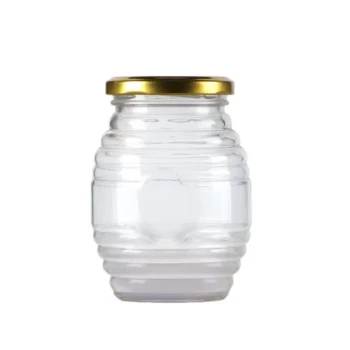
- Classic Glass Honey Jar with Metal Lug Cap for Beehive Storage
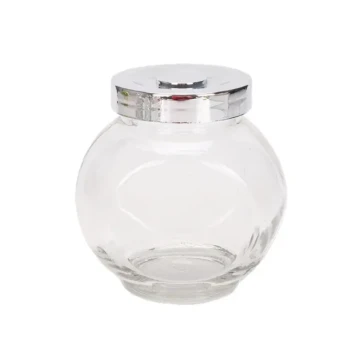
- Classic Drum Shaped Glass Honey Jar with Airtight Lid
- Classic Beehive Honey Bottle Jar with Squeeze Dispenser Lid
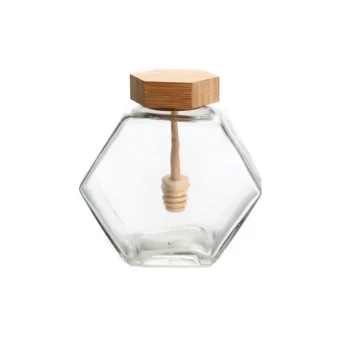
- Hexagonal Glass Honey Jar with Wooden Lid Integrated Dipper Elegant Functional Storage
People Also Ask
- How do honey filling machines work? Achieve Precision & Speed for Your Apiary
- How do honey filling and processing machines aid native bee product conservation? Boost Value with HONESTBEE Technology
- What quality control role does professional honey filling equipment perform? Ensure Consistency and Product Stability
- What is a key feature of the new generation of the honey filling machine? The Advanced Electronic Control Unit
- How do high-precision honey filling machines ensure quality? Optimize Your Commercial Production with HONESTBEE