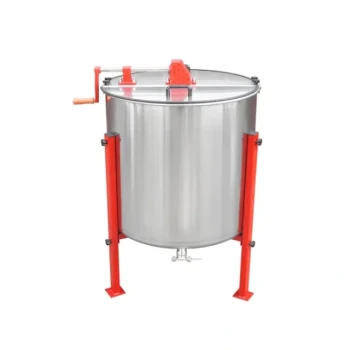
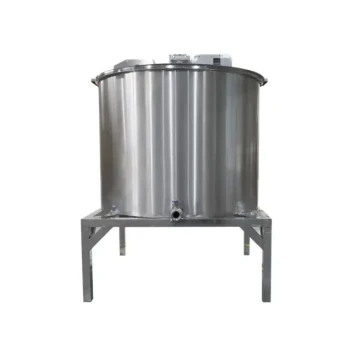
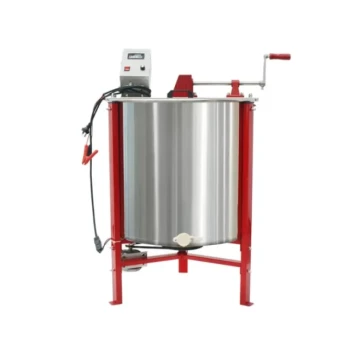
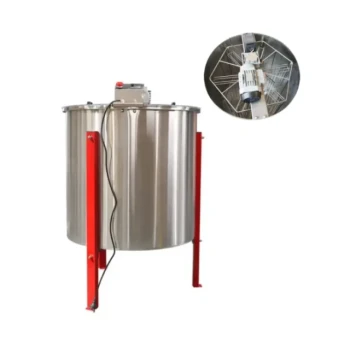
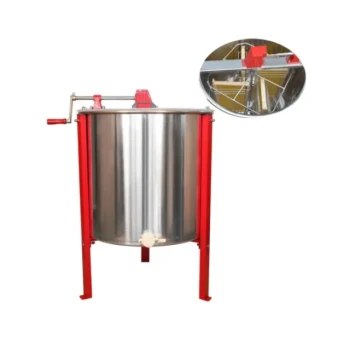
Biosecurity and equipment hygiene are the cornerstones of a resilient honey supply chain. Old frames, foundation, and honey extraction machinery serve as long-term reservoirs for infectious viral particles and pathogen spores. Implementing strict quarantine and industrial-grade cleaning is the only way to interrupt the transmission cycle and prevent cross-contamination between different apiaries and processing facilities.
To protect large-scale apiary investments and ensure product integrity, equipment must be treated as a primary vector for disease. Professional disinfection and quarantine protocols are essential to eliminate latent viruses and prevent recurring outbreaks from devastating commercial operations.
The Role of Equipment as a Pathogen Reservoir
Latent Viruses in Frames and Foundation
Old frames and foundation can harbor viral particles for extended periods, even when bees are no longer present. These materials act as a "latent" source of infection, meaning a viral epidemic can reappear months or years later if the equipment is reused without treatment.
Quarantine measures are necessary to isolate these contaminated materials until they can be properly processed. Removing or disinfecting these items effectively clears the hive environment of the biological "memory" of past infections.
Cross-Contamination in Processing Lines
In high-volume commercial operations, honey from multiple sources often passes through the same automated filling and processing machinery. If these lines are not thoroughly decontaminated between batches, residual honey can act as a bridge for pathogens.
Residual honey containing spores or viral loads can infect otherwise healthy honey batches. This creates a dangerous cycle where contaminated products or equipment return to the apiary, fueling further outbreaks.
Mitigating Risks in Industrial Honey Processing
The Necessity of Industrial-Grade Cleaning
Standard rinsing is often insufficient to eliminate resilient pathogen spores or concentrated viral loads. Industrial-grade cleaning processes use specific temperatures and agents to ensure processing lines remain sterile.
A commitment to professional hygiene ensures that the machinery does not become a source of infection itself. This level of technical oversight is what separates premium trading services from standard distribution.
One-Stop Sourcing and Rapid Response
For wholesalers and distributors, sourcing equipment from a partner with deep professional industry expertise is vital. Expert suppliers provide not only the hardware but also the protocols required to maintain biosecurity during a crisis.
When a viral outbreak occurs, rapid response times and efficient fulfillment of replacement frames or cleaning supplies are critical. High-speed delivery ensures that contaminated equipment is replaced before the infection can spread across the entire supply chain.
Understanding the Trade-offs and Pitfalls
Material Degradation vs. Sterilization
Repeated exposure to high-heat sterilization or aggressive chemical disinfectants can eventually degrade the integrity of plastic foundations and wooden frames. Operators must balance the need for absolute sterility with the operational lifespan of their hardware.
The Cost of Prevention vs. The Cost of Loss
While professional disinfection and quarantine protocols require an upfront investment in labor and specialized cleaning agents, the alternative is much costlier. A single unchecked viral outbreak can lead to total colony collapse, resulting in massive losses for commercial beekeepers and their distributors.
How to Apply This to Your Business Strategy
A proactive approach to equipment hygiene protects both your reputation as a supplier and the financial health of your B2B clients.
- If your primary focus is supply chain reliability: Prioritize sourcing from partners who offer professional-grade, sterilized equipment and have the logistics capacity for ultra-fast delivery during outbreaks.
- If your primary focus is risk management: Educate your B2B clients on the necessity of industrial cleaning for automated machinery to prevent cross-contamination and ensure product purity.
- If your primary focus is long-term growth: Build your portfolio around high-quality, durable frames and foundation that can withstand the rigorous disinfection processes required in modern commercial beekeeping.
By integrating professional biosecurity standards into your operations, you transform equipment hygiene from a chore into a competitive advantage.
Summary Table:
| Key Concern | Impact of Contamination | Recommended Mitigation Strategy |
|---|---|---|
| Old Frames & Foundation | Act as latent reservoirs for infectious viral particles and spores. | Strict quarantine and replacement with professional-grade hardware. |
| Extraction Machinery | Residual honey acts as a bridge for cross-contamination between batches. | Industrial-grade cleaning with specific temperatures and agents. |
| Supply Chain Integrity | Risk of total colony collapse and significant financial losses. | Rapid response sourcing and expert-led biosecurity protocols. |
| Hardware Longevity | Sterilization processes can degrade low-quality materials over time. | Invest in durable, high-quality tools designed for commercial reuse. |
Secure Your Honey Supply Chain with HONESTBEE
Partner with HONESTBEE to fortify your distribution network against viral risks. As a specialized one-stop source for commercial apiaries and B2B resellers, we provide a full spectrum of beekeeping tools—from high-durability hive-making machinery to essential industry consumables.
Our value to distributors and wholesalers:
- One-Stop Sourcing: Access everything from honey-filling machines to honey-themed cultural merchandise.
- Deep Industry Expertise: Professional guidance on maintaining biosecurity and equipment hygiene.
- Rapid Response & Fulfillment: Ultra-fast delivery to help you manage crises and maintain supply reliability.
- Superior Profit Margins: High-quality hardware and OEM/ODM support tailored to your market needs.
Don't let viral outbreaks compromise your business integrity. Contact HONESTBEE today to optimize your inventory with premium, reliable beekeeping solutions.
References
- James C. Fulton, James D. Ellis. Common Viruses of Florida Honey Bees: Diagnosis and Management. DOI: 10.32473/edis-in1459-2025
This article is also based on technical information from HonestBee Knowledge Base .
Related Products
- Electric 8 Frame Honey Spinner Extractor Equipment for Beekeeping
- 6 Frame Manual Stainless Steel Honey Extractor Beekeeping Equipment
- HONESTBEE 2 Frame Manual Acrylic Honey Extractor Beekeeping Equipment
- HONESTBEE 72 Frame Industrial Electric Honey Extractor for Beekeeping
- 32 Frame Commercial Electric Honey Extractor for Beekeeping and Honey Production
People Also Ask
- What are the advantages of an electric honey extractor? Boost Efficiency and Scale Your Honey Production
- What are the characteristics of electric honey extractors? Boost Your Apiary Efficiency with Automated Technology
- What are the disadvantages of using an electric honey extractor? Weighing Cost, Power, and Comb Safety
- What are the features of an electric honey extractor? Boost Your Apiary's Productivity with Motorized Efficiency
- What are the technical advantages of electric honey extractors? Maximize Yield and Protect Your Bee Colony