The selection of food-grade packaging is a non-negotiable necessity for honey due to its inherent chemical volatility. Because honey is both highly hygroscopic (water-attracting) and naturally acidic, proper containers are the only defense against moisture-induced fermentation and chemical contamination caused by the packaging material itself.
Core Takeaway Honey acts as a sponge for moisture and a solvent for reactive materials. Without a chemically inert, hermetically sealed environment, the product will inevitably degrade through fermentation or heavy metal contamination, rendering it unsafe and commercially worthless.
The Chemical Imperative: Why Material Matters
Managing Hygroscopic Properties
Honey is highly hygroscopic, meaning it actively attracts and absorbs moisture from the surrounding atmosphere. If the packaging lacks a high-quality airtight seal, the honey pulls water from the air, diluting its sugar concentration.
This dilution is the primary catalyst for fermentation and spoilage. Once moisture levels rise above a critical threshold, natural yeasts activate, souring the honey and destroying its shelf life.
Neutralizing Acidity Risks
Honey is a weakly acidic substance. This acidity makes it reactive when placed in contact with unstable or non-food-grade materials.
You must use chemically inert materials, such as food-grade plastic or glass, to prevent the packaging from breaking down. Using improper containers allows the migration of packaging chemicals into the honey, compromising product purity.
Ensuring Safety and Biological Integrity
Preventing Chemical Migration
The primary safety function of food-grade packaging is to block the migration of harmful substances. Unlike general-purpose containers, food-grade materials are tested to ensure they do not leach compounds into the food matrix.
This is critical for regulatory compliance and consumer safety. High-quality packaging ensures the honey remains free from external chemical contaminants throughout market circulation.
Preserving Bioactivity and Sensory Profile
Honey is valued for its specific texture, aroma, and enzyme activity. hermetic sealing does more than stop spoilage; it locks in the volatile compounds responsible for flavor and smell.
Proper packaging creates a stable environment that protects these delicate sensory characteristics from degradation caused by air exposure or environmental fluctuations.
Common Pitfalls and Material Risks
The Danger of Non-Specialized Containers
A common error is utilizing recycled plastic or standard iron drums for storage. Because honey is acidic, it can react with iron, leading to heavy metal contamination.
Similarly, recycled plastics often lack the density or seal integrity required to exclude moisture. These materials frequently result in off-flavors or chemical leaching that ruins the honey's natural profile.
Wooden Packaging Considerations
While less common, wooden crates require specific treatments to be safe. They must be treated with internal coatings or food-grade varnish.
Without this barrier, the porous wood fibers will absorb moisture from the honey or release wood odors into the product, altering its taste and stability.
Logistical and Operational Advantages
Facilitating Standardization
Food-grade honey buckets serve a dual purpose: storage and standardized grading. They allow producers to categorize honey by color and viscosity immediately after extraction.
This initial sorting creates uniform logistics units, streamlining the process for large-scale blending or retail packaging later in the supply chain.
Protection During Distribution
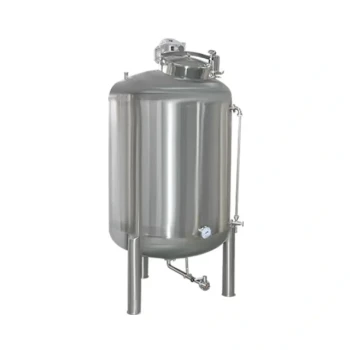
Industrial-grade storage equipment provides essential temperature control and light shielding.
This protection prevents the degradation of biological activity during the harvest season and transport cycle, ensuring the bulk honey that arrives at the processing center maintains the same quality as when it left the farm.
Making the Right Choice for Your Goal
Select your packaging based on your specific stage in the supply chain:
- If your primary focus is Extraction and Bulk Storage: Prioritize food-grade buckets that facilitate immediate grading by color and viscosity while providing a robust seal against ambient moisture.
- If your primary focus is Long-Term Transport: Ensure containers are chemically inert (avoiding reactive metals) to prevent heavy metal contamination and preserve the honey's enzyme activity during shipping.
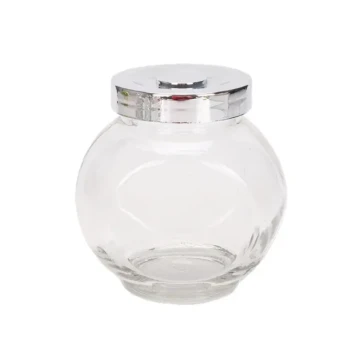
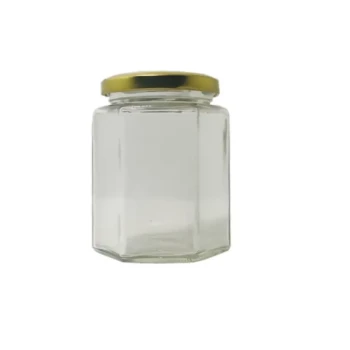
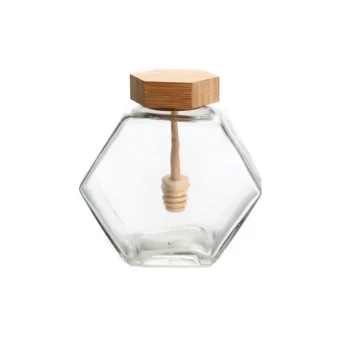
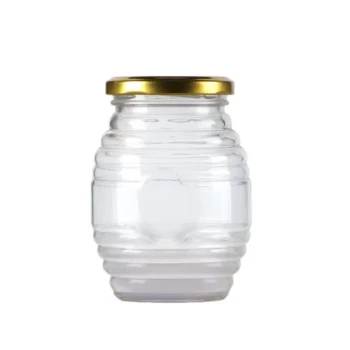
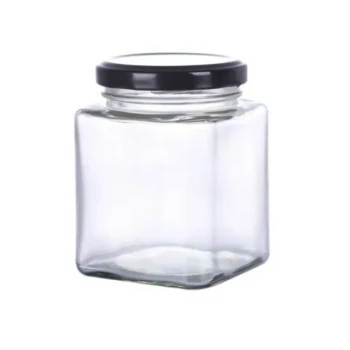
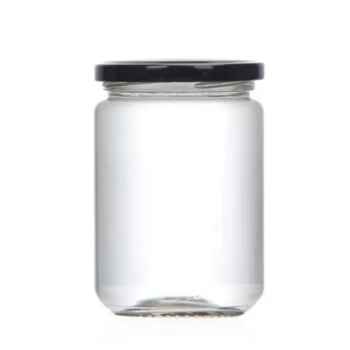
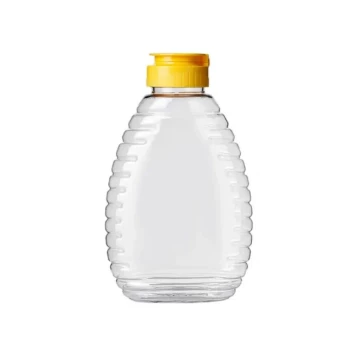
- If your primary focus is Retail Presentation: Choose high-quality glass or plastic jars that offer a perfect hermetic seal to maintain the specific texture and aroma that drives consumer market value.
The integrity of your container defines the longevity and purity of your product.
Summary Table:
| Factor | Impact on Honey | Food-Grade Solution Requirement |
|---|---|---|
| Hygroscopicity | Absorbs moisture, leading to fermentation | Airtight, hermetic sealing |
| Acidity | Reacts with metals/unstable plastics | Chemically inert materials (Food-grade plastic/glass) |
| Bioactivity | Loss of enzymes and volatile aromas | UV protection and temperature-stable barriers |
| Safety | Migration of harmful chemicals/toxins | Certified non-leaching, tested materials |
| Logistics | Inefficient grading and transport damage | Standardized, durable industrial-grade buckets |
Secure Your Honey Quality with HONESTBEE
Don't let improper packaging compromise your harvest. HONESTBEE provides commercial apiaries and distributors with premium, food-grade storage solutions designed to maintain purity and maximize market value.
Our Value to You:
- Comprehensive Wholesale Range: From specialized food-grade honey buckets and jars to industrial honey-filling machinery.
- Total Apiary Support: We supply the full spectrum of beekeeping tools, hive-making equipment, and essential industry consumables.
- Market-Ready Solutions: Beyond storage, we offer honey-themed cultural merchandise to help you stand out in the retail sector.
Ensure your honey remains safe, pure, and profitable. Contact HONESTBEE today for a custom wholesale quote!
References
- Elliud Muli, S. K. Raina. Quality of Honey Harvested and Processed Using Traditional Methods in Rural Areas of Kenya. DOI: 10.2754/avb200776020315
This article is also based on technical information from HonestBee Knowledge Base .
Related Products
- Food Grade Plastic Honey Bucket Pail for Beekeeping
- Classic Drum Shaped Glass Honey Jar with Airtight Lid
- Hexagonal Glass Honey Jars with Metal Lug Caps Elegant Versatile Packaging
- Hexagonal Glass Honey Jar with Wooden Lid Integrated Dipper Elegant Functional Storage
- Classic Glass Honey Jar with Metal Lug Cap for Beehive Storage
People Also Ask
- What key operational precautions should be taken when using honey buckets and extractors fitted with bottom drain taps?
- What functions do food-grade honey buckets perform? Safeguard Your Harvest and Optimize Apiary Logistics
- Why are food-grade plastic buckets preferred for honey? Protect Quality with Modern Honey Collection Tools
- What is the significance of food-grade plastic honey collection buckets? Boost Quality in Forest Honey Logistics
- What is a honey pail? The Essential Container for Protecting Your Honey's Value