Timely supering with pre-drawn comb is critical because it gives a colony immediate storage space before overcrowding triggers swarming. Honey supers placed above the brood chamber allow bees to deposit incoming nectar without restricting the queen’s laying area. Pre-drawn comb is especially valuable early in the season because colonies may struggle to produce new wax in cool conditions, and the energy spent building comb can reduce the workforce available for nectar collection.
Add honey supers before the main nectar flow, and use pre-drawn comb when rapid expansion matters. This preserves brood-nest space, reduces backfilling and swarm pressure, and enables more incoming nectar to become harvestable honey.
Why Timing Determines Colony Performance
Expansion must precede congestion
A strong colony can increase rapidly as brood production and nectar intake accelerate. If the available space is filled before another super is added, the colony may already be congested when the beekeeper responds.
Adding a super ahead of the main flow provides vertical expansion space at the point when bees need it most. This helps the colony continue growing and storing nectar without reaching the overcrowded condition associated with swarming.
Early action reduces the swarm impulse
Swarming is a natural reproductive process, but it removes a substantial portion of the colony’s field force. Once a colony has committed strongly to swarming, adding space alone may not fully reverse the situation.
Timely supering helps relieve the physical congestion that contributes to swarm preparation. Keeping more workers together allows the colony to maintain stronger foraging capacity during the peak production period.
Pre-drawn comb provides immediate capacity
Foundation requires bees to secrete wax, shape cells, and complete usable comb before it can hold substantial nectar. Pre-drawn comb removes much of this construction delay.
The practical effect is similar to opening a fully equipped storage area rather than giving the colony an empty building site. Bees can move directly into storing nectar, which is particularly important when the flow is short or arrives suddenly.
How Supering Protects Honey Yields
It prevents nectar from filling the brood nest
When upper storage space is unavailable, bees may place incoming nectar around the brood area. This process, commonly called backfilling, reduces the space available for the queen to lay eggs.
A restricted brood nest can limit population growth and contribute to a colony becoming honey-bound. Adding supers maintains the preferred hive arrangement of brood below and food stores above.
It preserves the future field force
The queen needs adequate laying space to produce the workers that will forage during later flows. If nectar occupies brood-nest cells, current storage may increase temporarily while future colony strength declines.
Pre-drawn supers help preserve that lower-chamber space. The colony can store honey above the brood nest while continuing to develop the workforce needed for sustained production.
It increases usable storage during the flow
A super added before nectar arrives is ready when foragers begin returning heavily. This reduces delays in transferring nectar away from the brood chamber and gives worker bees room to continue collecting.
The result is not simply more physical hive volume. It is better use of the colony’s available labor during the limited period when nectar can be converted into marketable honey.
Why Pre-Drawn Comb Matters Early in the Season
Cool conditions make comb construction difficult
Early-season colonies may have difficulty building fresh wax because wax production depends on suitable colony conditions, including sufficient warmth, nutrition, and worker availability. Fresh foundation therefore may not become usable quickly enough for an approaching flow.
Pre-drawn comb gives the colony a functional storage structure immediately. This makes it a particularly useful inventory item for beekeepers preparing strong colonies ahead of spring expansion.
Wax production consumes colony resources
Building comb requires worker effort and access to nectar or carbohydrate resources. Those workers are then less available for foraging, nectar processing, and other tasks during the critical buildup period.
Using pre-drawn frames reduces this competing demand. More of the colony’s workforce can remain focused on collecting and processing nectar.
Rapid deployment improves operational readiness
For commercial beekeepers, wholesalers, and resellers, the value of pre-drawn comb depends on reliable availability when weather and nectar conditions change quickly. Delayed supply can turn a correct management decision into a late one.
A dependable supplier should support timely supering with suitable frame options, responsive order handling, and fast delivery. One-stop sourcing is especially valuable when multiple hive components must be prepared across many colonies at once.
Understanding the Trade-offs
Supering too late is difficult to correct
If a colony has already backfilled the brood nest or started serious swarm preparation, adding a super may not restore lost brood space or recover the full field force. Supering is therefore a preventive management action, not a guaranteed reversal.
Beekeepers should monitor colony strength, brood-nest congestion, weather, and nectar conditions rather than relying only on a fixed calendar date.
Supering too early can add management burden
An unnecessary super can increase inspection and equipment demands, particularly when a colony is not yet strong enough to occupy the added space. The objective is timely expansion that matches colony strength and expected nectar availability.
Pre-drawn comb also requires proper storage and protection from pests, moisture, and contamination. Its value is highest when it is kept in usable condition and deployed promptly.
Equipment quality affects results
Damaged, poorly aligned, or contaminated comb can slow colony acceptance and create problems during inspection and extraction. Frames should be structurally sound, correctly fitted, and appropriate for the intended hive system.
For B2B purchasing, product consistency matters as much as nominal availability. Clear specifications, professional support, and efficient fulfillment reduce the risk of receiving equipment that cannot be deployed when needed.
Making the Right Choice for Your Goal
Timely supering should be treated as both a colony-management decision and a seasonal supply-planning requirement.
- If your primary focus is swarm control: Add honey supers before the brood chamber becomes congested, using pre-drawn comb to make additional space immediately usable.
- If your primary focus is maximum honey yield: Preserve brood-nest space, prevent backfilling, and keep the colony’s field force together through the main nectar flow.
- If your primary focus is early-season readiness: Secure pre-drawn comb frames before the expected flow so colonies do not lose valuable labor to slow wax construction.
- If your primary focus is commercial supply reliability: Choose a supplier with a broad hive-equipment portfolio, rapid response, consistent product quality, and fast order fulfillment.
The right super, supplied and added at the right time, helps the colony remain strong, organized, and fully productive when the nectar flow begins.
Summary Table:
| Factor | Late Supering | Timely Supering with Pre-drawn Comb |
|---|---|---|
| Swarm Risk | High (colony congestion triggers preparation) | Low (space available before overcrowding) |
| Brood Nest Integrity | Compromised (backfilling) | Preserved (queen continues laying) |
| Foraging Efficiency | Reduced (field force may be lost) | Maximized (workers stay in colony) |
| Honey Storage | Delayed (bees must build comb) | Immediate (ready-to-use space) |
| Early Season Performance | Poor (wax building resource-intensive) | Excellent (no construction lag) |
| Overall Yields | Lower (swarm loss, limited storage) | Higher (consistent colony strength) |
Ensure your apiary's success with timely supering and high-quality pre-drawn comb. At HONESTBEE, we supply commercial beekeepers and distributors with a full spectrum of beekeeping tools, machinery, and equipment, including hive-making and honey-filling machines, plus essential consumables. Benefit from our rapid response, dedicated support, and ultra-fast delivery. For distributors and wholesalers, we offer OEM/ODM support, certifications, and competitive margins—optimizing your supply chain for profitability. Contact us today to secure your hive components and optimize your honey production!
Related Products
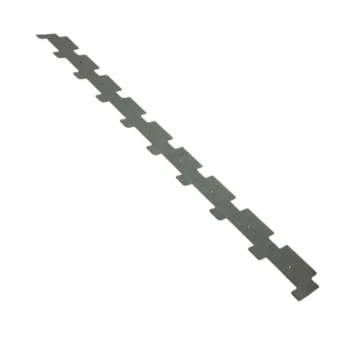
- Heavy Duty Castellated Iron Frame Spacer for Honey Supers
- Heart-Shaped Comb Honey Frame and Honeycomb Cassette
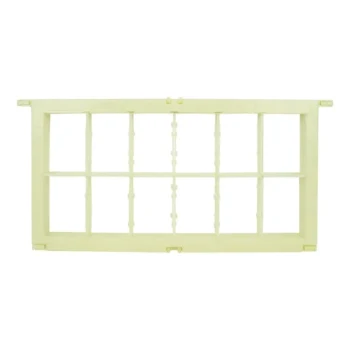
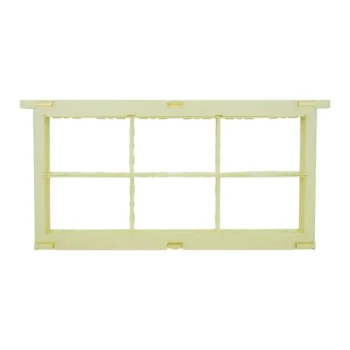
- Professional Sectional Comb Honey Frame with 250g Cassette System for Beekeeping
- Professional 500g Sectional Comb Honey Frame System for Beekeeping
- Plastic Honey Comb Frames Cassette Box for Honey
People Also Ask
- What are honey super frames and what foundation options are available? Choose the Best Support for Your Bees
- What are the reasons and drawbacks of using nine frames in a ten-frame honey super? Boost Extraction Speed Today
- What are honey super frames and how many are needed per box? A Beekeeper's Essential Guide
- What are honey super frames and their foundation options? Choose the Best Support for Your Hive's Honey Production
- Why might a beekeeper use fewer than the standard number of frames in a honey super? Boost Extraction Efficiency