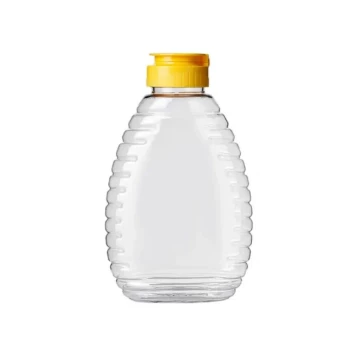
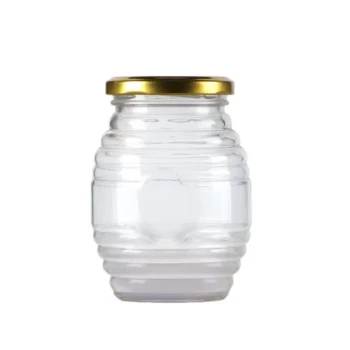
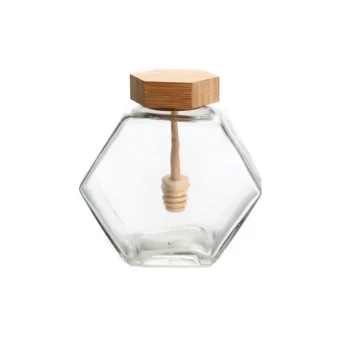
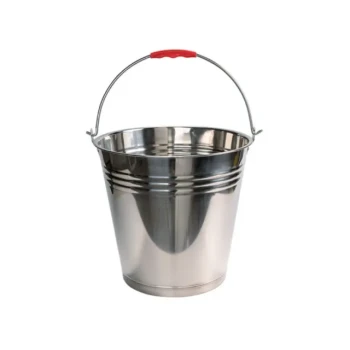
Standardizing honey packaging to 0.5kg and 1kg specifications creates a critical balance between retail efficiency and material costs. These specific capacities are optimized for automated processing and standardized logistics, significantly enhancing the scale efficiency and distribution effectiveness for commercial apiaries.
By prioritizing these standardized large-capacity sizes, producers align their operations with industrial automation and warehousing systems, reducing overhead while ensuring consistent product quality.
Streamlining Production and Automation
Compatibility with Filling Machinery
The 0.5kg and 1kg specifications are engineered to work seamlessly with automated honey-filling and labeling machinery.
This standardization minimizes the need for frequent equipment recalibration, allowing high-precision metering pump systems to operate continuously.
Consistent container sizes also ensure a sealed filling environment, protecting the product from secondary contamination and preserving the shelf life of the honey.
Balancing Material Costs
Adopting these large-capacity specifications allows producers to optimize their expenditure on packaging materials.
By moving away from smaller, varied sizes, facilities can reduce the ratio of packaging material to product volume, lowering the cost per unit of honey sold.
This approach balances the physical durability required for sealing integrity with the economic necessity of controlling consumable costs.
Optimizing Logistics and Distribution
Standardized Warehouse Logistics
The use of 0.5kg and 1kg containers directly supports standardized warehouse logistics.
Uniform packaging dimensions allow for efficient stacking, palletizing, and storage, maximizing the utilization of warehouse space.
This uniformity simplifies inventory management, making it easier to track stock levels and predict supply chain requirements.
Enhancing Distribution Effectiveness
Standardized sizes improve the transportation safety of the product during distribution.
Packaging designed for these specific weights is often tested for durability to prevent leaks, which is critical given the viscosity and weight of honey.
Furthermore, these sizes fit standard retail shelving and shipping crates, streamlining the movement of goods from the production facility to the retail terminal.
Understanding the Trade-offs
Market Segmentation Limitations
While 0.5kg and 1kg sizes maximize operational efficiency, relying solely on them may limit market reach.
Supplementary data indicates that diverse consumer groups often require specialized sizes, such as 50g travel packs or 1200g bulk options for heavy users.
Strict adherence to only two specifications may prevent a brand from penetrating niche segments like premium gifting or portable convenience markets.
Material Weight Considerations
The efficiency of these sizes can be impacted by the choice of material, specifically between glass and plastic.
While glass offers a premium feel for branding, it significantly increases the logistical weight footprint compared to recyclable plastics.
Producers must weigh the visual quality and environmental impact against the increased transportation costs associated with heavier 1kg glass units.
Making the Right Choice for Your Goal
To determine if these specifications align with your operational strategy, consider your primary business objectives:
- If your primary focus is Scale Efficiency: Adopt 0.5kg and 1kg sizes to maximize filling automation speed and minimize warehouse complexity.
- If your primary focus is Niche Market Penetration: Supplement these standard sizes with custom, smaller packaging (e.g., 50g-100g) to target travel or gift-oriented consumers.
- If your primary focus is Brand Positioning: Use the 0.5kg and 1kg standards but invest in high-quality materials and personalized labels to differentiate on the shelf.
Success in honey production lies in matching your packaging strategy to your operational capabilities and market targets.
Summary Table:
| Optimization Factor | 0.5kg & 1kg Specifications | Impact on Business Efficiency |
|---|---|---|
| Machinery Compatibility | High; standardized for automated filling | Reduces downtime and recalibration costs |
| Material Cost Ratio | Optimized product-to-packaging ratio | Lowers per-unit consumable expenditure |
| Logistics & Storage | Uniform dimensions for stacking/palletizing | Maximizes warehouse space & transport safety |
| Retail Readiness | Fits standard shelving and shipping crates | Enhances distribution speed and shelf presence |
Scale Your Honey Production with HONESTBEE
Efficiency in beekeeping starts with the right equipment and tools. HONESTBEE specializes in supporting commercial apiaries and distributors by providing the full spectrum of industrial solutions—from automated honey-filling and hive-making machines to high-quality consumables.
Whether you are looking to standardize your production with 0.5kg/1kg specifications or need a comprehensive wholesale partner for hardware and honey-themed merchandise, we deliver the expertise to help you grow.
Ready to optimize your supply chain? Contact us today to discover how our wholesale offerings can enhance your operational efficiency and brand value.
References
- Maria Isabel Ribeiro, Francisco Diniz. Trends in Honey Purchase and Consumption in Trás-Os-Montes Region, Portugal.. DOI: 10.17059/2019-3-15
This article is also based on technical information from HonestBee Knowledge Base .
Related Products
- Automatic Single-Dose Snap & Squeeze Honey Sachets Packing Machine
- Honey Stick Filler Vertical Paste Sachet Packing Machine for Honey Sachets
- Fully Automatic Honey Filling Packaging Machine for Processing Line
- Hexagonal Glass Honey Jars with Metal Lug Caps Elegant Versatile Packaging
- Double Nozzle Small Honey Filling Machine Honey Sachet Packing Packaging Equipment
People Also Ask
- What are the advantages of honey sachet packing machines? Boost Efficiency & Unlock New Markets
- What are the main functions of a honey sachet packing machine? Boost Efficiency with Automated Precision
- How does an industrial-grade honey sachet packaging machine assist beekeepers in accessing public institution markets?
- Why is automated packaging machinery essential for scaling industrial honey production? Drive Commercial Scalability
- Why is it advantageous for apiaries to be located near honey processing centers? Boost Quality and Market Reach