Preserving honey’s chemical integrity requires strict isolation from the environment. High-sealing, food-grade airtight buckets are essential because honey is highly hygroscopic, meaning it actively absorbs moisture from the surrounding air. Without a robust barrier, this excess water content triggers fermentation and spoilage, destroying the product's natural quality, safety, and commercial value.
Honey is a dynamic substance that reacts to humidity and packaging materials. A high-quality, airtight seal is the only effective defense against moisture-induced fermentation, while food-grade materials ensure the product remains free from chemical contamination.
The Science of Spoilage Control
Honey is not a static product; it is biologically and chemically active. To maintain its value, you must control the variables that trigger degradation.
Combating Hygroscopy
The fundamental threat to honey quality is hygroscopy. Honey naturally pulls moisture from the atmosphere until it reaches equilibrium with the humidity of the air.
If the relative humidity is high, the honey dilutes itself. High-sealing buckets act as an impermeable wall, locking out external humidity and maintaining the honey's specific gravity and viscosity.
Inhibiting Fermentation
Water is the catalyst for spoilage. Honey naturally contains osmophilic yeasts which remain dormant when water content is low.
When hygroscopy raises the water content, these yeasts wake up. This triggers spontaneous fermentation, turning your product sour and alcoholic. An airtight seal stabilizes the internal environment, effectively inhibiting this yeast activity.
Material Purity and Processing
Beyond moisture control, the physical container interacts with the chemistry of the honey. The choice of material is critical for safety and post-processing.
Chemical Inertness
Honey is a weak acid. If stored in non-food-grade containers, the acidity can cause the packaging material to degrade.
This degradation leads to the migration of harmful substances from the plastic into the honey. Food-grade buckets are chemically inert, ensuring the honey maintains its original purity for physical and chemical analysis.
Facilitating Natural Clarification
Storage often doubles as a passive processing stage. After extraction, honey contains air bubbles and fine particulate matter.
Airtight buckets allow for a secure "settling process." As the honey sits undisturbed and protected from fresh contaminants, these impurities rise to the top, clarifying the honey naturally without mechanical intervention.
Commercial and Logistical Integrity
For commercial producers, the bucket is a critical link in the supply chain. It protects the asset during transport and ensures compliance.
Preventing Physical Loss
Honey is dense and viscous, but it will leak through weak seals. High-quality plastic seals and airtight lids are necessary to prevent physical product loss during transit.
This reliability prevents sticky, unsanitary conditions in storage facilities. It ensures efficient inventory management and logistics handling.
Meeting Export Standards
International trade requires adherence to strict health and quality standards. Natural raw honey loses trade value if it shows signs of fermentation or contamination.
Using standardized, high-sealing equipment provides the physical protection necessary to meet these global export benchmarks. It signals to buyers that the product has been handled professionally.
Understanding the Limitations
While airtight buckets are essential, they are not a cure-all. You must understand where their protection ends to avoid common pitfalls.
The Temperature Variable
Airtight seals block moisture, but they do not block heat. If sealed buckets are stored in high temperatures, the quality of the honey can still degrade, and yeast activity can accelerate even at lower moisture levels.
Headspace Management
The seal captures the air inside the bucket as well as blocking the air outside. If a bucket is left half-empty for a long duration, the moisture in the "headspace" air can still interact with the surface of the honey.
Making the Right Choice for Your Goal
Selecting the right storage vessel depends on where your honey is in its lifecycle.
- If your primary focus is Export and Long-Term Storage: Prioritize containers with verified high-performance seals to lock out humidity and prevent fermentation over long durations.
- If your primary focus is Purity and Compliance: Verify the manufacturer's food-grade certification to ensure the acidic honey does not leach chemicals from the plastic, preserving its natural composition.
The right container is not merely a box, but an active component in preserving the biological and commercial integrity of your harvest.
Summary Table:
| Feature | Protection Mechanism | Impact on Honey Quality |
|---|---|---|
| Airtight Seal | Blocks external humidity | Prevents hygroscopic moisture gain and fermentation |
| Food-Grade Material | Chemical inertness | Prevents leaching of toxins from acidic honey reactions |
| Secure Lids | Physical containment | Eliminates leakage during transit and logistical handling |
| Isolation Environment | Passive settling | Facilitates natural clarification by allowing air bubbles to rise |
Elevate Your Honey Production Standards with HONESTBEE
Preserving the integrity of your harvest requires professional-grade equipment. HONESTBEE specializes in serving commercial apiaries and distributors with a comprehensive range of high-performance beekeeping tools and machinery.
From food-grade airtight storage solutions that prevent spoilage to advanced honey-filling machines and specialized hardware, we provide the full spectrum of equipment needed to maintain export-level quality. Let us help you safeguard your commercial value and streamline your operations.
Contact HONESTBEE Today for Wholesale Solutions
References
- Deborah Ruth Amulen, Paul Cross. Estimating the potential of beekeeping to alleviate household poverty in rural Uganda. DOI: 10.1371/journal.pone.0214113
This article is also based on technical information from HonestBee Knowledge Base .
Related Products
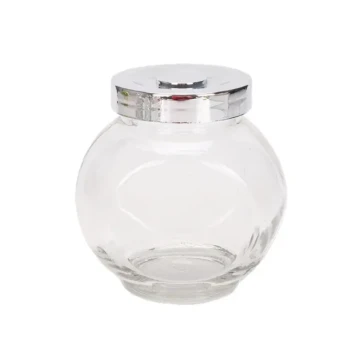
- Classic Drum Shaped Glass Honey Jar with Airtight Lid
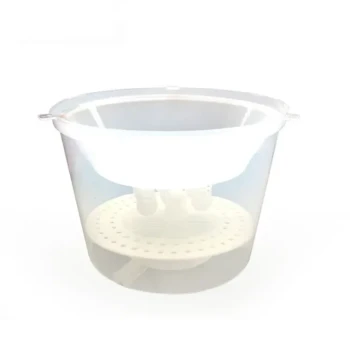
- Professional Multi-Component Bucket Wasp Trap
- Stainless Steel Pail Perch Bucket Bench
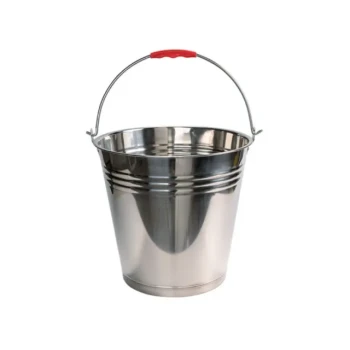
- Premium Stainless Steel Honey Tank Bucket Pail with Reinforced Handle and Polished Finish
- Yellow Plastic Bucket Pail Perch for Beekeeping
People Also Ask
- What is the best utensil to store honey? Preserve Purity with the Right Container
- How does the appearance of glass jar packaging affect the sales and perception of honey? Boost Your Premium Brand Value
- Why is a glass jar preferred for packaging honey? Ultimate Protection for Purity & Flavor
- What is the aesthetic appeal of using glass jars for honey? Elevate Your Brand with Premium Packaging
- What are the advantages of glass containers for honey? Elevate Quality and Market Value with Premium Packaging