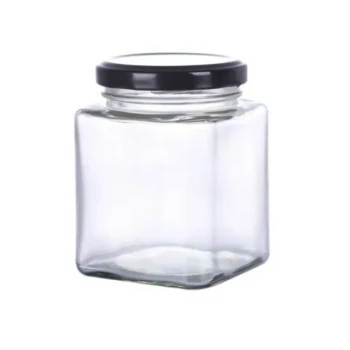
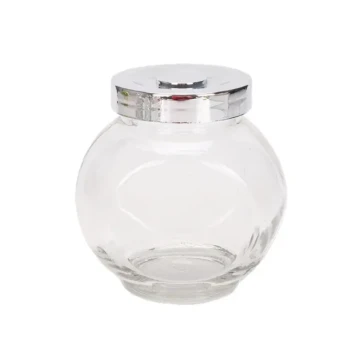
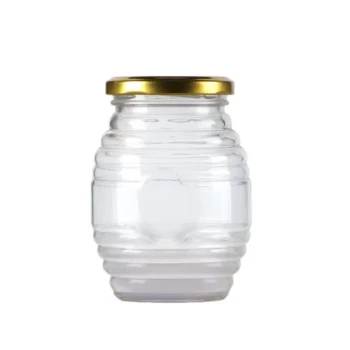
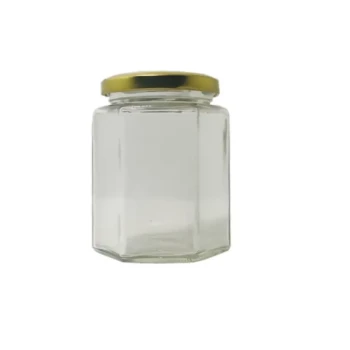
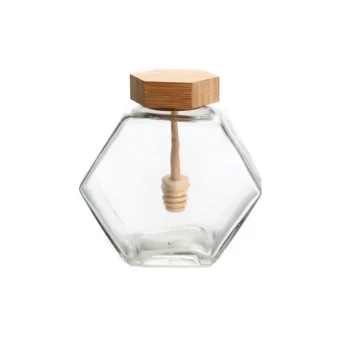
The use of pre-sterilized sealed jars is the definitive method to guarantee data integrity during honey analysis. These containers act as a critical firewall against the external environment, preventing secondary contamination that would otherwise skew test results. By isolating the sample immediately, you ensure that laboratory findings reflect the actual condition of the honey, rather than interference introduced during the collection process.
The core value of pre-sterilized jars is the elimination of "sampling noise." They ensure that yeast, mold, and moisture levels accurately represent the product's true hygiene status during production and storage, rather than environmental contamination.
Eliminating Biological Interference
Isolating the Source of Contamination
The primary goal of sampling is to evaluate the hygiene status of the honey during production, processing, and storage.
If a non-sterile container is used, it introduces external microorganisms into the sample. This makes it impossible to distinguish between a production-line issue and a dirty jar. Pre-sterilized jars remove this variable entirely.
Accurate Yeast and Mold Counts
Honey quality is heavily defined by its microbial load.
Pre-sterilized containers ensure that yeast and mold counts derived in the lab are accurate. This precision allows quality control teams to pinpoint where hygiene breaches may be occurring in the actual processing facility.
Controlling Environmental Variables
Blocking Moisture Absorption
Honey is hygroscopic, meaning it naturally absorbs water from the air.
Sealed jars provide an immediate physical barrier against external humidity. This allows for the accurate determination of initial moisture content, ensuring the lab measures the water content of the batch, not the humidity of the sampling room.
Preventing Spoilage and Fermentation
The combination of external moisture and environmental microbes is a catalyst for spoilage.
If a sample absorbs moisture or contacts external bacteria, it may begin to ferment before it reaches the laboratory. Sterile, sealed containers prevent this secondary fermentation, preserving the sample's chemical profile until analysis can be performed.
Common Pitfalls and Risks
The Cost of False Positives
The most significant risk of ignoring this protocol is the generation of false positives.
If a sample is contaminated by a non-sterile jar, a perfectly safe batch of honey may be rejected or downgraded. This leads to unnecessary product waste and costly investigations into production processes that aren't actually faulty.
Cross-Contamination of Origin
Just as sealing frames in bags prevents pollen cross-contamination, sealing jars prevents physical cross-contamination.
Without a seal, dust or particulate matter from the environment can enter the sample. This can compromise analyses related to botanical origin or purity, obscuring the true identity of the specific honey batch.
Making the Right Choice for Your Goal
To ensure your sampling leads to actionable data, align your equipment with your specific analytical objectives:
- If your primary focus is Hygiene and Safety: Use pre-sterilized jars to guarantee that yeast and mold counts reflect only the conditions of your production and storage facilities.
- If your primary focus is Shelf-Life and Stability: Rely on the seal of the jar to lock in initial moisture content and prevent premature fermentation before the sample reaches the lab.
By treating the sample container as a critical instrument rather than just a vessel, you protect the validity of your entire quality control process.
Summary Table:
| Feature | Importance in Honey Sampling | Benefit to Quality Control |
|---|---|---|
| Sterilization | Eliminates external microbes, yeast, and mold. | Ensures lab results reflect actual production hygiene. |
| Airtight Seal | Prevents absorption of atmospheric moisture. | Guarantees accurate moisture content readings. |
| Isolation | Blocks secondary fermentation and dust. | Prevents spoilage and preserves sample purity. |
| Reliability | Minimizes "sampling noise" and false positives. | Avoids unnecessary batch rejections and costs. |
Elevate Your Beekeeping Standards with HONESTBEE
Maintaining the integrity of your honey from hive to laboratory is vital for commercial success. HONESTBEE specializes in supporting commercial apiaries and distributors by providing the industry's most reliable wholesale solutions. From high-precision honey-filling machines and specialized beekeeping tools to essential industry consumables, our comprehensive portfolio is designed to enhance your operational efficiency and product quality.
Whether you are scaling your honey production or sourcing premium hardware for distribution, our team is ready to deliver the value your business deserves.
Contact HONESTBEE today to optimize your apiary operations!
References
- Karla Rubia Ananias, Celso José de Moura. Analysis of moisture content, acidity and contamination by yeast and molds in Apis mellifera L. honey from central Brazil. DOI: 10.1590/s1517-83822013000300003
This article is also based on technical information from HonestBee Knowledge Base .
Related Products
- Classic Round Glass Honey Jar with Lid
- Modern Square Glass Honey Jar with Twist Off Lid
- Classic Drum Shaped Glass Honey Jar with Airtight Lid
- Classic Glass Honey Jar with Metal Lug Cap for Beehive Storage
- Hexagonal Glass Honey Jars with Metal Lug Caps Elegant Versatile Packaging
People Also Ask
- What is the aesthetic appeal of using glass jars for honey? Elevate Your Brand with Premium Packaging
- What are the advantages of glass containers for honey? Elevate Quality and Market Value with Premium Packaging
- How does the appearance of glass jar packaging affect the sales and perception of honey? Boost Your Premium Brand Value
- Why is a glass jar preferred for packaging honey? Ultimate Protection for Purity & Flavor
- What are the advantages of using high-quality glass containers in the commercial packaging of honey? Boost Premium Value