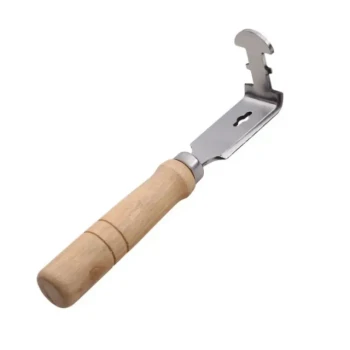
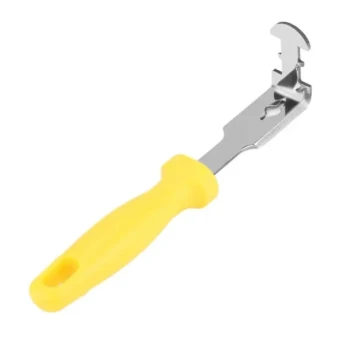
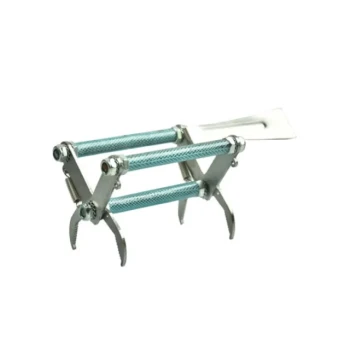
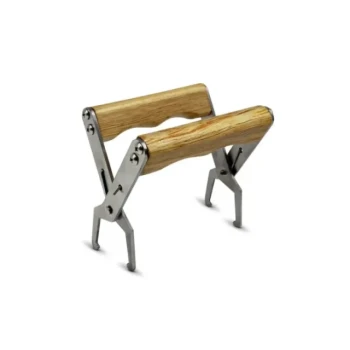
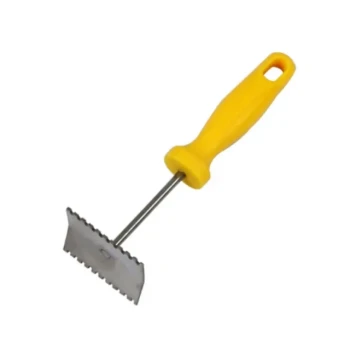
Professional disinfection is the cornerstone of apiary biosecurity. Utilizing specialized equipment to clean and treat hive frames ensures that pathogenic spores, residual wax debris, and chemical signals are completely eliminated before a new colony is introduced. This process is essential for preventing cross-infection, maximizing colonization success rates, and maintaining the integrity of experimental data.
Professional cleaning equipment provides a standardized, high-efficacy solution for removing persistent biological threats like American Foulbrood spores and alarm pheromones. By ensuring a sterile baseline, beekeepers and researchers can protect their investments and guarantee the repeatability of their results.
Pathogen Eradication and Disease Prevention
Eliminating Persistent Biological Threats
Old hive frames often harbor highly resilient pathogens, such as American Foulbrood (AFB) spores, which can survive for decades on wood and metal surfaces. Professional-grade disinfection equipment uses a combination of high-intensity physical washing and targeted chemical or fumigation treatments to neutralize these threats.
Preventing Horizontal Transmission
Beekeeping tools and frames act as primary vectors for the horizontal transmission of diseases between different colonies. Standardized cleaning protocols sever these mechanical transmission paths, ensuring that pathogens from a previous colony do not compromise the health of the next.
Reducing Secondary Infection Pressure
Continuous removal of waste, feces, and contaminated debris lowers the overall pathogen load within the hive environment. This reduction in environmental stress supports the natural immune systems of the bees and decreases the likelihood of viral outbreaks associated with Varroa mite infestations.
Behavioral and Physiological Stability
Removing Residual Alarm Pheromones
When bees feel threatened, they release alarm pheromones that mark the hive and equipment as a target for defense. If these chemical signals are not professionally cleaned, they can induce an aggressive response in the new colony, leading to increased stinging and colony stress.
Enhancing Acceptance and Colonization
A clean, debris-free frame is more readily accepted by a new colony, leading to higher colonization rates. By providing a neutral living environment, beekeepers minimize the "adjustment period" for the bees, allowing them to focus immediately on brood-rearing and foraging.
Sustaining Chemical-Free Foraging
Professional maintenance ensures that frames are free from environmental pollutants and chemical traces. This purity is critical for distributors who prioritize the production of high-quality, chemical-free nectar and pollen for their customers.
Ensuring Experimental Integrity
Eliminating Environmental Interference
In research settings, residual biological markers can act as experimental interference, skewing data on bee behavior or health. Professional cleaning provides a "blank slate," ensuring that all observations are the result of the experiment rather than previous colony influence.
Promoting Repeatability and Safety
Standardized disinfection procedures ensure that management practices are repeatable across multiple sites and seasons. This consistency is vital for large-scale operations where technicians must perform high-intensity sampling and screenings without the risk of spreading contaminants.
Maximizing Resource Efficiency
For distributors and large-scale apiaries, industrial-grade equipment allows for the rapid processing of frames, ensuring that hardware is ready for deployment exactly when needed. This efficiency is a hallmark of professional-tier beekeeping infrastructure.
Understanding the Trade-offs
Manual vs. Mechanical Cleaning
Manual scraping is often insufficient to reach deep into the pores of wooden frames or the joints of hardware, leaving behind microscopic pathogens. While professional equipment requires a higher initial investment, it significantly reduces the long-term costs associated with colony loss and disease outbreaks.
Chemical Residuals and Safety
Improper use of disinfection chemicals can leave harmful residues that negatively impact bee health. It is critical to use specialized consumables and high-temperature sterilization methods that effectively kill pathogens without compromising the chemical purity of the hive.
Equipment Durability
Low-quality cleaning tools may damage the structural integrity of the frames over time. Investing in high-strength, professional-grade hive tools ensures that components can withstand repeated sterilization cycles without warping or breaking.
Making the Right Choice for Your Goal
As a distributor or wholesaler, your ability to provide a comprehensive suite of maintenance tools defines your value to the end-user. Ensuring your portfolio includes high-performance disinfection equipment allows your clients to maintain peak operational efficiency.
- If your primary focus is Biosecurity: Prioritize high-temperature sterilization and industrial-grade fumigation equipment to ensure the total eradication of persistent spores.
- If your primary focus is Operational Efficiency: Invest in high-capacity washing systems and professional hive tools that allow for the rapid processing of frames during peak seasons.
- If your primary focus is Experimental Accuracy: Choose standardized cleaning consumables that are specifically designed to remove alarm pheromones and chemical traces without leaving residues.
By integrating professional disinfection equipment into your supply chain, you provide the essential foundation for healthy, productive, and predictable beekeeping outcomes.
Summary Table:
| Key Benefit | Impact on Apiary | Professional Solution |
|---|---|---|
| Pathogen Eradication | Prevents diseases like AFB | High-temp & chemical sterilization |
| Pheromone Removal | Reduces aggression & stress | Specialized deep-cleaning systems |
| Data Integrity | Eliminates experimental variables | Standardized disinfection protocols |
| Efficiency | Rapid hardware turnover | Industrial-grade washing machinery |
Elevate Your Wholesale Portfolio with HONESTBEE
As a distributor or B2B reseller, providing reliable biosecurity solutions is essential for your clients' success. HONESTBEE is your premier one-stop partner, offering the full spectrum of beekeeping machinery—from hive-making and honey-filling to professional sterilization equipment.
- Maximize Profit Margins: Benefit from our premium trading services and competitive wholesale offerings.
- Unmatched Efficiency: Experience ultra-fast delivery and rapid response times to meet peak seasonal demands.
- Deep Industry Expertise: We provide OEM/ODM support and professional-grade hardware designed for commercial durability.
Ready to enhance your supply chain with high-performance beekeeping tools and essential consumables? Contact us today to discuss your bulk requirements!
References
- Wubalem Alebachew Amera, Abiyu Tadele Alene. Effect of various supplements on productive performance of honey bees, in the south Wollo Zone, Ethiopia. DOI: 10.1371/journal.pone.0303579
This article is also based on technical information from HonestBee Knowledge Base .
Related Products
- Precision Stainless Steel Frame Cleaner for Hive Grooves and Corners
- Professional Stainless Steel Frame Cleaner with Ergonomic Wood Handle
- Heavy Duty Stainless Steel Frame Cleaner with Plastic Handle
- Professional Multi-Function Stainless Steel Hive Tool
- Professional 3-Bar Frame Grip with Integrated Hive Tool
People Also Ask
- What tools are recommended for cleaning hive frames? Top 4 Essential Maintenance Tools for Beekeepers
- What are the primary functions of a stainless steel hive tool? Essential Equipment for Professional Beekeeping
- What is the function of a professional stainless steel hive tool in IFB? Optimize Your Colony Strength Assessment
- What are the primary functions of a stainless steel hive tool? Essential Tips for Efficient Apiary Maintenance
- Which technical challenges in hive maintenance are addressed by using a professional stainless steel hive tool?