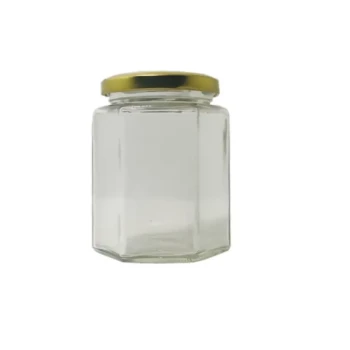
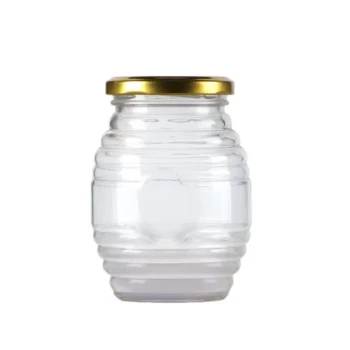
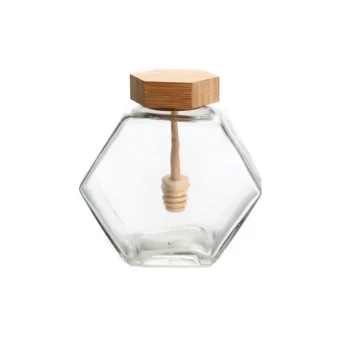
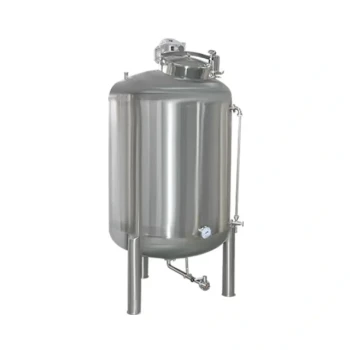
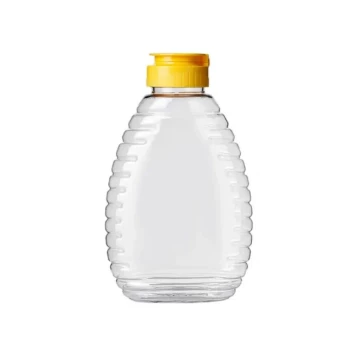
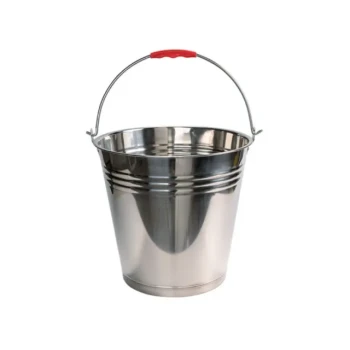
Professional honey storage and packaging consumables are non-negotiable because they provide the critical isolation from air, moisture, and odors required to prevent fermentation and spoilage. Without these specialized barriers, honey acts as a sponge for atmospheric moisture, destroying its shelf life and degrading the sensory qualities that determine its market price.
Honey is a chemically stable food only when properly protected. Professional consumables act as the definitive safeguard, transforming raw harvest into a high-value commodity by ensuring physicochemical stability and compliance with rigorous food safety standards.
The Mechanics of Preservation
To maintain product value, you must control the environment surrounding the honey. Professional consumables address the specific chemical vulnerabilities of the product.
Preventing Fermentation
Honey is hygroscopic, meaning it naturally absorbs moisture from the air. If the water content rises above specific thresholds, natural yeasts in the honey will trigger fermentation. Professional packaging provides a hermetic seal that completely isolates the honey from humidity, arresting this process before it begins.
Preserving Sensory Characteristics
The value of honey is often dictated by its unique floral notes, color, and texture. Standardized packaging prevents the absorption of external odors that can taint the flavor profile. By locking in the natural aroma, these consumables protect the nuanced characteristics that command premium pricing.
Ensuring Nutritional Integrity
Beyond flavor, honey contains specific nutritional components that can degrade upon exposure to air and contaminants. High-quality storage maintains the "physicochemical stability" of the product. This ensures the honey retains the health benefits often marketed to consumers.
Commercial Viability and Compliance
Using professional consumables is not just about chemistry; it is a prerequisite for entering profitable markets.
Meeting International Standards
High-value markets, particularly those in Europe, enforce stringent standards regarding purity and quality grading. Specialized equipment and packaging ensure hygiene throughout processing, allowing the final product to meet these international criteria.
Facilitating Marketability
Raw honey cannot be sold as a premium commodity without meeting commercial labeling requirements. Standardized packaging is designed to support legal labeling mandates. This turns a raw agricultural yield into a traceable, brandable product ready for retail shelves.
Common Pitfalls to Avoid
When choosing between professional solutions and generic alternatives, understanding the risks of the latter is essential for risk management.
The Risk of Chemical Migration
Not all containers are inert. Utilizing non-professional storage, such as general-purpose plastics, poses a risk of harmful substances migrating from the container into the food. Professional food-grade plastics and glass are certified to prevent this contamination, ensuring the product remains safe for consumption.
The Illusion of "Airtight"
Many standard household containers appear sealed but allow for microscopic gas exchange over time. This slow leak compromises the shelf life of the honey during storage and transportation. Only purpose-built storage provides the verified airtight integrity needed for long-term stability.
Making the Right Choice for Your Goal
Investing in the correct consumables depends on your specific market objectives.
- If your primary focus is international export: Prioritize packaging that guarantees physicochemical stability to pass strict grading and purity tests.
- If your primary focus is long-term storage: Select materials with certified hermetic sealing to prevent moisture absorption and fermentation over extended periods.
- If your primary focus is retail branding: Ensure your packaging supports standardized labeling to meet commercial food safety and traceability requirements.
Professional packaging is the only reliable method to secure the investment made during the harvest season against environmental degradation.
Summary Table:
| Feature | Professional Consumables | Generic Alternatives |
|---|---|---|
| Moisture Control | Hermetic seal; prevents fermentation | Poor barrier; leads to moisture absorption |
| Flavor Preservation | Locks in floral notes & prevents odors | Risk of external odor contamination |
| Material Safety | Certified food-grade; no chemical migration | Risk of toxic leaching from non-inert plastics |
| Market Readiness | Supports labeling & export standards | Often fails to meet regulatory requirements |
| Shelf Life | Verified long-term stability | Unpredictable; prone to spoilage |
Secure Your Honey’s Value with HONESTBEE
Don't let poor packaging compromise your hard-earned harvest. HONESTBEE provides commercial apiaries and distributors with the professional-grade tools and consumables necessary to meet global quality standards. From certified food-grade storage containers to specialized hive-making and honey-filling machinery, our comprehensive wholesale solutions are designed to maximize your efficiency and marketability.
Partner with HONESTBEE to elevate your honey from a raw harvest to a premium global commodity.
References
- Elsamoal Elzaki, Gang Tian. Economic evaluation of the honey yield from four forest tree species and the future prospect of the forest beekeeping in Sudan. DOI: 10.1007/s10457-019-00478-1
This article is also based on technical information from HonestBee Knowledge Base .
Related Products
- Stainless Steel Honey Storage and Settling Tank with Double Strainer
- Hexagonal Glass Honey Jars with Metal Lug Caps Elegant Versatile Packaging
- Classic Glass Honey Jar with Metal Lug Cap for Beehive Storage
- Stainless Steel Honey Storage Tank with Lid for Honey
- Classic Drum Shaped Glass Honey Jar with Airtight Lid
People Also Ask
- What economic role do honey storage tanks play? Boost Your Revenue Through Strategic Inventory Management
- What roles do industrial honey storage tanks and filtration meshes play in processing? Ensure Purity & Consistency
- What is the purpose of a honey storage tank? Streamline Your Honey Processing for Quality & Efficiency
- What role do settling tanks play in honey production? Achieve Pure, High-Clarity Honey Naturally
- Why are large settling tanks used in the honey clarification process? Achieve Natural Purity & Batch Consistency