The emphasis on specialized, low-aggression tools stems directly from the unique biology of native bee species. Unlike industrial honeybees, native species often possess gentle temperaments, meaning standard, heavy-duty equipment is unnecessary and potentially destructive. Specialized, lightweight tools allow for extraction that respects the bees' fragility, preventing physical harm to the workers during the process.
The core objective is to decouple honey harvesting from colony damage. By using tools designed for precision rather than volume, you ensure the immediate survival of the workforce and the long-term ecological stability of the apiary.
Preserving the Workforce and Ecology
Leveraging Gentle Temperaments
Native bees are generally less prone to attacking than commercial honeybee strains. Because they do not exhibit high aggression, the heavy, defensive gear and forceful tools used in industrial beekeeping are not only overkill but actively harmful.
Using specifically designed lightweight equipment allows the operator to work with finesse. This prevents accidental crushing or injuring of the bees, which is a common risk when using cumbersome tools on smaller, gentler species.
Maintaining Ecological Stability
The health of a native bee colony relies on the survival of its workers. When harvesting tools cause mass casualties, the colony's ability to forage and defend itself is compromised.
Low-aggression extraction ensures that the colony remains robust immediately after harvest. This continuity is vital for ensuring uninterrupted pollination capabilities in the surrounding ecosystem.
Feasibility for Niche Environments
Because these tools reduce the physical struggle between the beekeeper and the hive, they lower the operational difficulty of management.
This makes keeping native bees feasible in residential or educational environments. It allows hobbyists and students to interact with the hive safely without the chaos associated with aggressive extraction methods.
The Role of Precision in Apiary Management
Parallels with Queen Rearing
The philosophy behind low-aggression harvesting mirrors the precision required in queen rearing. Just as professional grafting needles are used to minimize physical damage to larvae during breeding, harvesting tools for native bees must be equally delicate.
High-precision tools protect the genetic integrity and physical health of the bees. Whether handling larvae or harvesting honey, the goal is to interact with the colony without disrupting its biological lifecycle.
Stress Reduction
While native bees are gentle, minimizing stress is still critical. Similar to how a specialized smoker uses cool smoke to interfere with alarm pheromones and calm a colony, low-impact harvesting tools prevent the triggering of defensive behaviors.
Reducing stress during hive inspections or harvesting ensures the safety of the operator. More importantly, it prevents the colony from entering a state of shock, which can hinder productivity and recovery.
Understanding the Trade-offs
While specialized tools are beneficial for native bees, they come with operational limitations.
Volume vs. Care: Specialized, lightweight tools are often designed for precision, not speed or volume. Harvesting will likely take longer compared to industrial methods.
Skill Requirement: While these tools make the process safer, they often require a steadier hand and more patience than automated or bulk extraction methods.
Making the Right Choice for Your Goal
To select the appropriate equipment strategy, you must define your primary objective for the apiary.
- If your primary focus is Ecological Conservation: Prioritize ultra-lightweight tools that guarantee zero worker casualties to maintain maximum pollination efficiency.
- If your primary focus is Education: Select tools that emphasize ease of handling and visibility, allowing students to observe the process without fear of provoking the colony.
- If your primary focus is Productivity: Balance the use of precision tools with efficient workflow management to maintain reasonable yield without compromising colony health.
True stewardship of native bees requires adapting your methods to their biology, ensuring that the harvest never comes at the cost of the hive's future.
Summary Table:
| Feature | Specialized Low-Aggression Tools | Standard Industrial Equipment |
|---|---|---|
| Design Focus | Precision & Bee Safety | Volume & Speed |
| Bee Impact | Minimizes physical harm/stress | Risk of crushing/high aggression |
| Environment | Residential, Education, Niche | Large-scale Commercial Apiaries |
| Skill Level | High (Steadier hand required) | Moderate (Process-oriented) |
| Outcome | Long-term colony stability | Rapid resource extraction |
Elevate Your Apiary Management with HONESTBEE
At HONESTBEE, we understand that native bee species require a delicate touch and specialized precision. As a premier provider for commercial apiaries and distributors, we offer a comprehensive wholesale range of beekeeping tools and machinery designed to protect your workforce while maximizing efficiency.
From high-precision hive-making machinery to advanced honey-filling solutions and a full spectrum of industry consumables, we provide the hardware you need to sustain a thriving beekeeping business. Whether you are scaling a distribution network or managing specialized native bee projects, our portfolio delivers the quality and durability the industry demands.
Ready to upgrade your equipment? Contact us today to explore our wholesale offerings and discover how HONESTBEE can enhance your operational success and colony health.
References
- Ryo Kohsaka, Yuta Uchiyama. Beekeeping and honey production in Japan and South Korea: past and present. DOI: 10.1016/j.jef.2017.05.002
This article is also based on technical information from HonestBee Knowledge Base .
Related Products
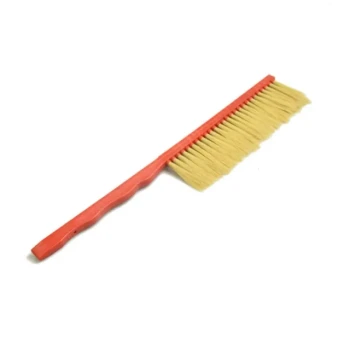
- Classic Wooden Bee Brush with Double-Row Boar Bristles
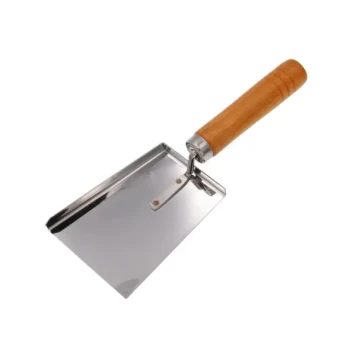
- Stainless Steel Pollen Shovel with Wooden Handle
- HONESTBEE 15-in-1 Beekeeper Multi-Tool with Hammer and Pliers for Beekeeping
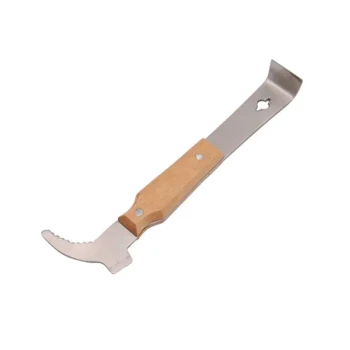
- HONESTBEE Professional Mini J-Hook Hive Tool for Beekeeping
- All-Stainless Steel Pivoting Honey Uncapping Fork for Beekeeping
People Also Ask
- What are the key features of a popular bee brush? Essential Design for Bee Safety and Hive Hygiene
- What are the key characteristics of the bristles on a bee brush? Master Gentle and Efficient Bee Removal
- What is a bee brush and what is its primary use? A Gentle Tool for Hive Management
- What is the purpose of using a bee brush during the inspection of hive components? Safe & Precise Hive Management
- What is the specific function of a bee brush? Ensure Pure Harvests and Colony Welfare During Honey Extraction