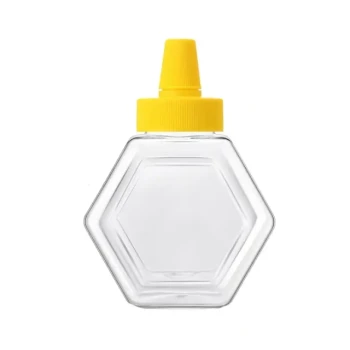
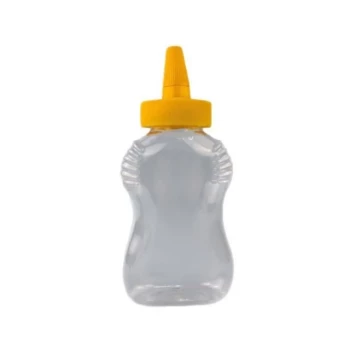
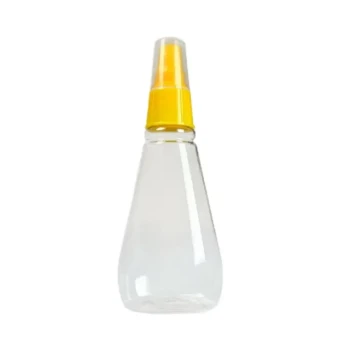
To maintain scientific validity, honey samples must be isolated from environmental variables the moment they leave the hive. The emphasis on specialized sealed containers is primarily to arrest the absorption of atmospheric moisture, which alters the honey's density and can trigger fermentation. Simultaneously, light-shielding treatments are strictly enforced to prevent photochemical reactions that degrade light-sensitive compounds, ensuring the sample's color and flavor profile remain identical to its original state.
The Core Takeaway These protocols are not merely about hygiene; they are about stabilizing the sample’s chemical and biological baseline. Without moisture sealing and light protection, the sample immediately begins to drift from its original hive state, rendering subsequent sensory, chemical, and pollen analyses scientifically invalid.
Preserving Chemical Stability and Physical State
The Critical Control of Moisture
Honey is naturally hygroscopic, meaning it actively attracts and holds water molecules from the surrounding environment.
Specialized sealed containers are the only defense against "secondary moisture contamination."
By blocking the absorption of external humidity, these containers ensure that the laboratory measurement of moisture content reflects the honey's actual condition inside the hive, rather than the humidity of the transport vehicle or storage facility.
Preventing Photochemical Degradation
Honey contains complex organic compounds that are highly sensitive to ultraviolet and visible light.
Light-shielding treatments are applied to containers to block the photons that trigger photochemical reactions.
Without this protection, the sample undergoes rapid degradation, leading to artificial alterations in color and flavor that compromise sensory characteristic analysis.
Ensuring Chemical Neutrality
In addition to sealing, the material of the container plays a vital role in stability.
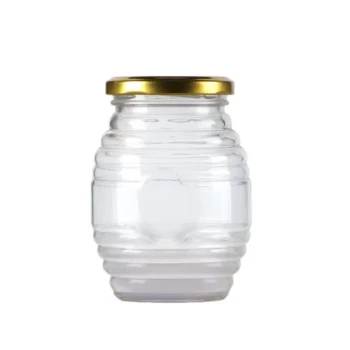
Sterile glass containers are often preferred due to their superior chemical inertness.
Unlike some reactive materials, glass ensures that the honey does not react with the container walls, preserving the original physicochemical indicators for accurate testing.
Ensuring Biological and Analytical Accuracy
Preventing Microbial Spoilage
A sealed environment is essential to control biological activity within the sample.
If external moisture enters the sample, it dilutes the sugars enough to allow dormant yeasts to activate, leading to fermentation and spoilage.
Sterile sealing maintains the "initial microbial activity" baseline, ensuring that any microbes detected in the lab were present in the hive, rather than introduced during transport.
Eliminating Cross-Contamination
The use of specialized, often disposable, sampling tools works in tandem with sealed containers to ensure purity.
Pre-cleaned containers and disposable spoons are critical to prevent pollen or microbial cross-contamination between different bee colonies.
This isolation is requisite for accurate melissopalynology (pollen analysis), ensuring the data reflects the specific botanical sources of a single apiary without interference from neighboring samples.
Common Pitfalls to Avoid
The Risk of Material Reactivity
Not all "sealed" containers are suitable for professional sampling.
Using non-sterile or chemically reactive plastic containers can leach compounds into the honey or fail to provide a complete hermetic seal.
This can lead to "ghost data," where laboratory results indicate chemical irregularities that were actually caused by the storage vessel, not the honey itself.
The Impact of Transport Delay
Even with proper containers, the time between collection and analysis involves risk.
While sealing prevents moisture entry, it does not stop temperature-induced changes if the samples are exposed to heat during transport.
High-quality sampling protocols often pair these containers with temperature-controlled environments to minimize physiological stress on the biological components of the sample.
Making the Right Choice for Your Goal
To ensure your sampling efforts yield actionable data, align your equipment with your analytical priorities:
- If your primary focus is Sensory Analysis (Flavor/Color): You must prioritize light-shielding and chemically inert (glass) containers to prevent photochemical drift and material leaching.
- If your primary focus is Physicochemical Analysis (Moisture/Fermentation): You must prioritize hermetic sealing to prevent atmospheric moisture absorption and subsequent spoilage.
- If your primary focus is Pollen Source Identification: You must prioritize single-use, sterile consumables to eliminate the risk of heterogeneous pollen cross-contamination between colonies.
The reliability of your laboratory results is defined entirely by the rigor of your field collection methods.
Summary Table:
| Requirement | Purpose | Benefit |
|---|---|---|
| Hermetic Sealing | Prevents moisture absorption (hygroscopy) | Stops fermentation & maintains density accuracy |
| Light-Shielding | Blocks UV and visible light photons | Prevents photochemical degradation of color & flavor |
| Chemical Inertness | Use of sterile glass or neutral materials | Eliminates material leaching & "ghost data" in tests |
| Sterile Consumables | Single-use spoons and containers | Prevents cross-contamination for accurate pollen analysis |
Elevate Your Apiary Operations with HONESTBEE
At HONESTBEE, we understand that scientific precision in the field translates to market success for your brand. As a premier partner for commercial apiaries and distributors, we provide a comprehensive wholesale range of professional beekeeping tools, machinery, and essential consumables.
Whether you need specialized honey-filling machines, high-durability hive-making equipment, or premium sampling supplies that ensure your honey's purity from hive to lab, we have the expertise to support your growth.
Ready to scale your production and ensure top-tier quality?
Contact HONESTBEE Today for Custom Wholesale Solutions
References
- Ana Lívia Sousa Campos, Juliana do Nascimento Bendini. Pollen analysis in honey samples (Apis mellifera L.) from the main honey-producing microregion in Brazil. DOI: 10.1590/1809-6891v26e-81065e
This article is also based on technical information from HonestBee Knowledge Base .
Related Products
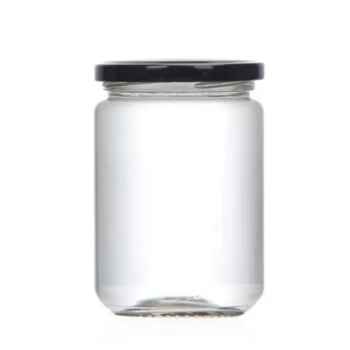
- Classic Round Glass Honey Jar with Lid
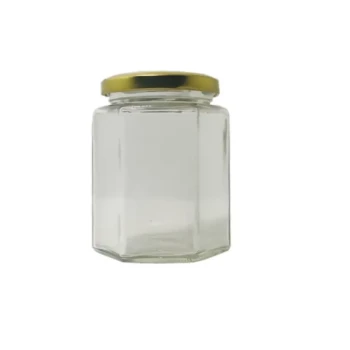
- Hexagonal Glass Honey Jars with Metal Lug Caps Elegant Versatile Packaging
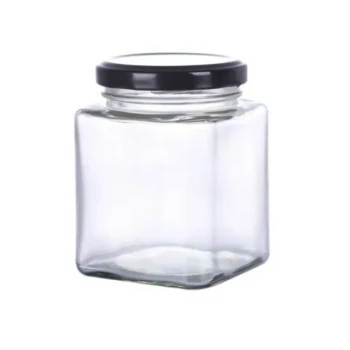
- Modern Square Glass Honey Jar with Twist Off Lid
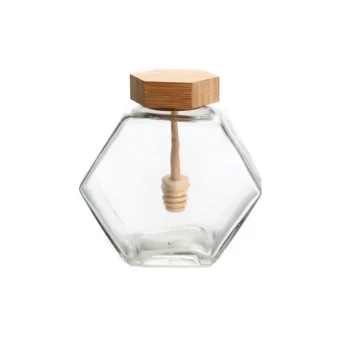
- Hexagonal Glass Honey Jar with Wooden Lid Integrated Dipper Elegant Functional Storage
- Classic Drum Shaped Glass Honey Jar with Airtight Lid
People Also Ask
- What is the aesthetic appeal of using glass jars for honey? Elevate Your Brand with Premium Packaging
- What are the advantages of glass containers for honey? Elevate Quality and Market Value with Premium Packaging
- How does the appearance of glass jar packaging affect the sales and perception of honey? Boost Your Premium Brand Value
- Why is a glass jar preferred for packaging honey? Ultimate Protection for Purity & Flavor
- What are the advantages of using high-quality glass containers in the commercial packaging of honey? Boost Premium Value