Understanding the larval feeding schedule and queen development timeline is essential because grafting tools only work effectively when they are used at the correct biological moment. Queen-destined larvae should generally be grafted into artificial cell cups at less than 24 to 48 hours old, before they lose the ability to develop fully as queens. Breeders must also track the queen’s approximately 16-day development cycle to coordinate cell capping, inspection, transfer, and emergence.
Queen-rearing equipment supports a biological process; it does not replace biological timing. Accurate larval selection and calendar control protect queen quality, reduce cell losses, and allow commercial apiaries to use grafting tools, cell frames, incubators, and mating nucs efficiently.
Why Larval Age Determines Queen Quality
The Critical Grafting Window
All honeybee larvae initially receive royal jelly, but queen larvae continue receiving an exclusive royal jelly diet throughout their larval stage. Worker larvae are instead transitioned toward a diet containing honey and pollen after roughly 48 to 72 hours.
Because young female larvae retain the physiological potential to become either queens or workers, grafting must occur within this narrow window. A grafting needle or Chinese grafting tool can transfer a larva accurately, but it cannot restore queen development once the larva has begun following the worker nutrition pathway.
Continuous Royal Jelly Feeding
A successfully grafted larva must be accepted by a queenless cell-builder colony and receive uninterrupted royal jelly. The artificial cell cup provides the structure, while the receiving colony provides the nutrition and care.
This is why larval age, colony strength, and equipment quality must be managed together. A well-designed cell cup frame is ineffective if larvae are too old, poorly nourished, or placed into a weak builder colony.
Protecting Genetic Selection
Grafting allows breeders to select larvae from colonies with desirable traits, such as productivity, temperament, local adaptation, or resistance to parasitic mites. The earlier and more accurately the breeder works, the greater the chance that selected genetics will produce robust queens.
For distributors and resellers, this creates demand for complete queen-rearing solutions rather than isolated tools. Customers may need grafting needles, cell cups, cell bars, frames, protectors, incubators, and mating equipment that work as one coordinated system.
How the 16-Day Timeline Controls Operations
Days 1–3: Egg Stage
A queen develops from a fertilized egg over approximately 16 days. The first three days are spent in the egg stage, after which the egg hatches into a larva.
Knowing the egg-laying date helps apiary managers predict when suitable larvae will be available for grafting. Without this reference point, operators may repeatedly inspect colonies at the wrong time or select larvae that have already passed the ideal age.
Approximately Days 4–8: Open Larval Stage
The open larval period lasts about 5.5 days for a queen. During this stage, the larva must remain continuously supplied with royal jelly to maintain queen development.
Commercial breeders generally graft larvae less than 24 to 48 hours old and monitor the developing cells until they are capped. Queen cells are typically sealed around day 8, although exact timing can vary with colony conditions.
Approximately Days 8–16: Capped Pupal Stage
After capping, the developing queen becomes increasingly vulnerable to careless handling. Queen cells should be inspected and moved only according to the planned production schedule, with particular care during the fragile early capped period.
Mature queen cells are commonly transferred to mating nucs or placed in suitable protectors or incubators shortly before emergence. This reduces the risk that an emerging virgin queen will destroy competing queen cells in the same colony.
Day 16: Emergence
Under normal conditions, a queen emerges approximately 16 days after the egg was laid. Actual timing can vary, with temperature and nutrition influencing development; practical emergence may occur within a broader range of roughly 14 to 17 days.
That variability makes dated records and regular inspections important. Equipment orders, cell transfers, mating-nuc preparation, and delivery commitments should allow for biological variation rather than assuming every queen will emerge at exactly the same hour.
Why Timing Matters When Using Grafting Equipment
Grafting Needles Require Precision
Grafting needles are designed to lift and place very young larvae without damaging them. Their value depends on the operator selecting larvae at the correct age and positioning them properly in the cell cup.
A tool that is technically sound cannot compensate for late grafting, rough handling, desiccation, or exposure to unsuitable temperatures. Training and reliable operating procedures are therefore as important as the tool itself.
Cell Cups and Frames Must Match the Workflow
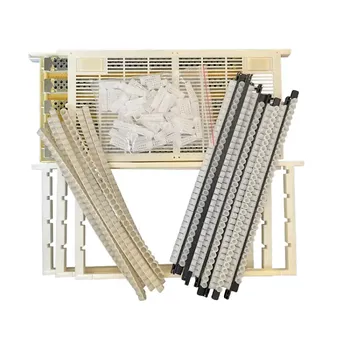
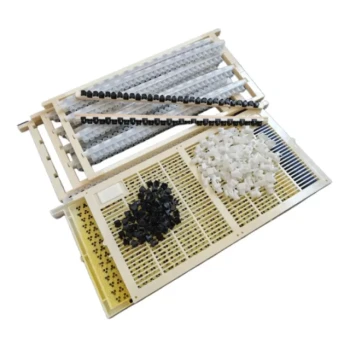
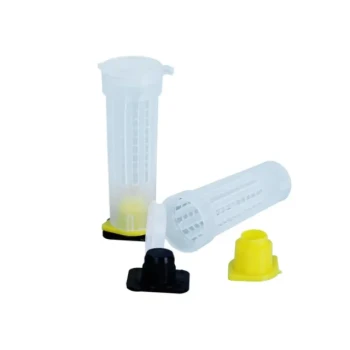
Artificial cell cups and cell bar frames allow breeders to organize grafts, inspect acceptance rates, and move developing queen cells efficiently. Their benefits are greatest when the frame layout matches the apiary’s grafting, builder-colony, incubator, and mating-nuc schedule.
For B2B buyers, compatibility and supply continuity matter. A complete product portfolio reduces delays caused by missing cups, incompatible bars, insufficient protectors, or replacement components during peak queen-rearing periods.
Cell Transfer Must Follow Development
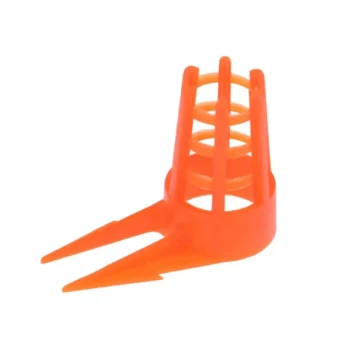
Transfers should be scheduled around the queen’s developmental stage. Grafted larvae must first be accepted and developed in a suitable builder colony, while mature capped cells must reach mating nucs or an incubator before emergence.
Moving cells too early can interrupt development or cause rejection. Moving them too late can result in emergence inside the wrong colony and the destruction of other queen cells.
Understanding the Trade-offs
Speed Versus Biological Control
Commercial breeders need rapid production cycles, but accelerating handling does not eliminate the queen’s biological timetable. Faster inspections, standardized cell frames, and efficient logistics can improve throughput, but the larva still requires the correct feeding period and developmental time.
The practical goal is better coordination, not forcing development beyond its natural limits.
Standardization Versus Environmental Variation
A 16-day schedule is an essential planning baseline, not an absolute guarantee. Temperature, nutrition, colony strength, and seasonal conditions can shift emergence timing and influence acceptance or queen quality.
Apiaries should use calendars and batch records while confirming actual cell condition through careful inspections. Suppliers and resellers should communicate realistic operating ranges instead of presenting development times as rigid promises.
Higher Volume Versus Queen Quality
Grafting more larvae can increase potential output, but excessive volume may overwhelm builder colonies, reduce nutrition per cell, or make inspection and transfer more difficult. High-volume operations need enough strong colonies, frames, cups, labor, and mating nucs to support every stage.
Equipment purchasing should therefore be based on the entire production capacity, not only on the number of grafting needles or cell cups.
Minimal Disturbance Versus Inspection Needs
Frequent monitoring helps operators identify failed or underperforming cells, but unnecessary disturbance can stress colonies and damage developing cells. Inspections should be planned around key milestones, including graft acceptance, capping, cell maturity, and transfer.
Professional hive tools and low-interference inspection practices help balance visibility with colony stability.
How to Apply This to Your Apiary or Supply Business
The most reliable results come from connecting larval biology with equipment planning, staff procedures, and fulfillment schedules.
- If your primary focus is queen quality: Graft female larvae under 24 to 48 hours old and maintain uninterrupted access to royal jelly through the larval stage.
- If your primary focus is production efficiency: Build a dated workflow around the approximately 16-day queen cycle, including grafting, day-8 capping checks, cell transfer, and emergence planning.
- If your primary focus is equipment sourcing: Select compatible grafting needles, cell cups, cell bar frames, protectors, incubators, and mating-nuc supplies from a dependable full-spectrum supplier.
- If your primary focus is predictable fulfillment: Maintain batch records and allow for temperature-related variation so equipment availability and delivery schedules match actual queen-rearing demand.
- If your primary focus is reseller or distributor value: Provide customers with coordinated product packages, rapid response, technical guidance, and reliable replenishment during peak breeding periods.
When larval feeding biology and developmental timing guide every equipment decision, queen-rearing operations become more predictable, scalable, and commercially dependable.
Summary Table:
| Stage | Duration | Key Action | Equipment Relevance |
|---|---|---|---|
| Egg | Days 1–3 | Track egg-laying date | Calendar management |
| Open Larva | Days 4–8 | Graft larvae <24-48h old | Grafting needles, cell cups |
| Capped | Days 8–16 | Inspect cells, transfer at day 8 | Cell frames, protectors, incubators |
| Emergence | Day 16 (approx) | Prepare mating nucs before emergence | Mating nucs, emergence cages |
Optimize your queen-rearing operations with HONESTBEE's comprehensive beekeeping equipment and supplies. From grafting tools and cell cups to incubators and mating nucs, we provide everything you need to master timing and maximize queen quality. With rapid response, dedicated support, and ultra-fast delivery, we help distributors and beekeepers scale efficiently. Contact us today to discuss your wholesale needs and benefit from our professional expertise.
Related Products
- Retractable Chinese Queen Rearing Grafting Tools Equipment
- HONESTBEE Improved No Grafting Queen Rearing Kit For Queen Rearing and Royal Jelly Production
- No Grafting Queen Rearing Kit: System for Royal Jelly Production and Queen Rearing
- Premium Nicot Style Queen Rearing Kit with Hair Roller Bee Cages
- Nicot Queen Rearing Kit for Beekeeping and Grafting in Nicot System
People Also Ask
- What role do queen-rearing tools play in IAPV control? Essential strategies for healthy apiaries.
- Which specialized tools are necessary for implementing standardized queen rearing? Scale Your High-Yield Apiary
- What biological requirements govern queen caste development, and how do specialized queen rearing tools facilitate commercial queen production? Discover Essential Equipment
- What biological window allows worker bee larvae to develop into queens, and how does this dictate the use of commercial queen rearing tools? Discover the critical first 48 hours and the equipment that supports it.
- How does selective queen rearing benefit an apiary? Discover Essential Tools for High-Quality Queen Bees