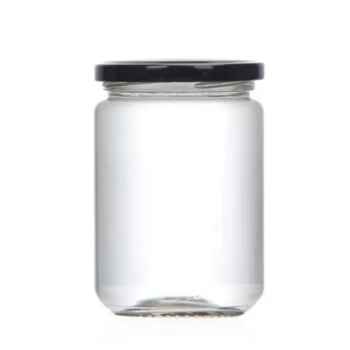
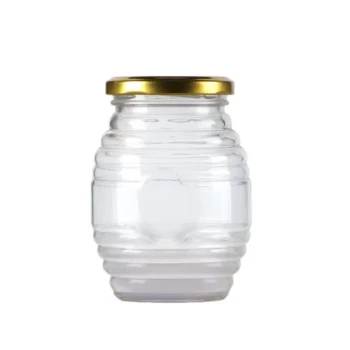
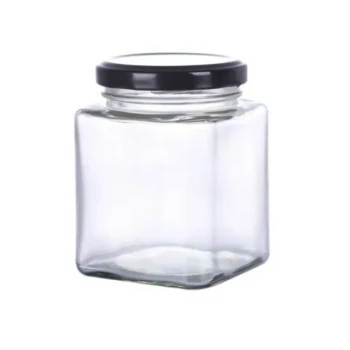
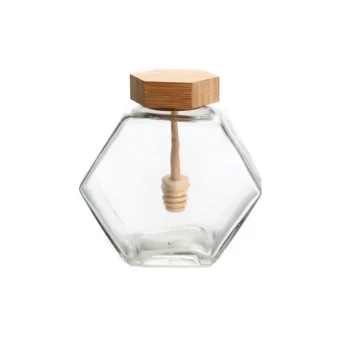
Glass packaging represents a direct alignment with the circular economy. It addresses the growing consumer demand for materials that strictly adhere to the 3R’s: Reduce, Reuse, and Recycle. By minimizing waste, brands using glass position themselves to capture the attention of environmentally conscious buyers who prioritize sustainable lifecycles over disposable convenience.
Core Insight Using glass is not just an aesthetic choice; it is a strategic alignment with the "Reduce, Reuse, Recycle" framework. Because glass is infinitely recyclable and chemically inert, it satisfies the modern consumer's demand for waste minimization while simultaneously preserving the product to prevent food spoilage.
The Pillars of Sustainable Materiality
Adhering to the 3R Framework
Sustainability trends are currently driven by the 3R principle: Reduce, Reuse, Recycle. Glass fits this model perfectly as it minimizes the volume of single-use waste entering landfills.
Infinite Recyclability
Unlike plastics, which may degrade in quality during reprocessing, glass is infinitely recyclable. It can be melted down and reformed without losing its structural integrity or purity.
The Reusability Factor
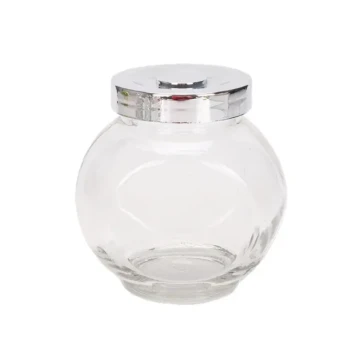
Glass jars are durable and easily sanitized. This encourages consumers to repurpose the packaging for household storage rather than discarding it immediately after use.
Sustainability Through Preservation
Combating Food Waste
A critical but often overlooked aspect of sustainability is preventing the waste of the food product itself. Honey is hygroscopic, meaning it readily absorbs moisture from the air, which can lead to fermentation and spoilage.
Superior Barrier Properties
Glass provides an airtight, non-porous barrier against humidity and external odors. By maintaining a sterile environment, glass prevents the product from spoiling, ensuring the resources used to produce the honey are not wasted.
Chemical Inertness
Glass is chemically stable and does not react with the honey. This protects the authentic flavor and aroma, unlike some plastics which may allow environmental odors to infiltrate or degrade over time.
The Broader Ecological Impact
Economic Incentives for Biodiversity
High-quality packaging enables beekeepers to enter high-value commercial retail markets. This economic success incentivizes farmers to invest in beekeeping hardware and protect local flora.
Supporting Pollination Services
By creating a viable market for honey through standardized, premium packaging, the industry supports the maintenance of high-intensity pollination services. This creates a positive feedback loop that benefits upstream agricultural cultivation and local ecosystems.
Understanding the Trade-offs
Convenience vs. Sustainability
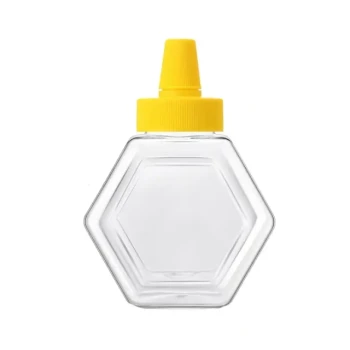
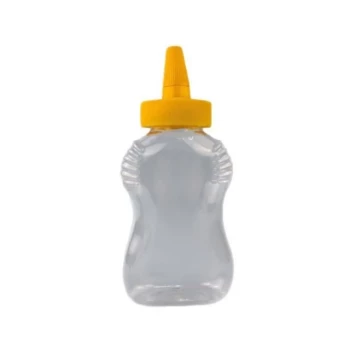
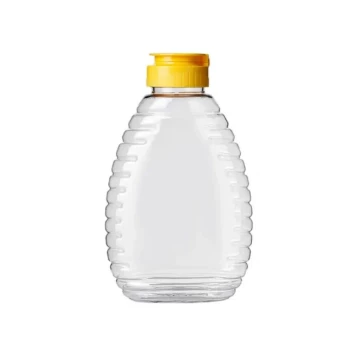
While glass wins on sustainability, it lacks the functional convenience of plastic. Plastic bottles often feature squeezable designs and flip-top caps that allow for precise dosage and reduced mess.
Handling and Weight
Glass is significantly heavier and more fragile than plastic. This can complicate logistics and increase the energy required for transportation, a factor that must be weighed against its recyclability.
Access and Viscosity
Glass jars typically require a spoon for dispensing, which can be less hygienic or convenient than a squeeze bottle. However, wide-mouth designs do allow for easier access and labeling.
Making the Right Choice for Your Goal
To select the right packaging strategy, align your choice with your specific market positioning:
- If your primary focus is Environmental Integrity: Choose glass to appeal to eco-conscious consumers who prioritize the "Reduce, Reuse, Recycle" methodology and infinite recyclability.
- If your primary focus is Product Quality and Shelf Life: Select glass for its inert, non-porous properties that prevent fermentation and lock in the honey's authentic flavor and aroma.
- If your primary focus is User Convenience: Consider high-quality plastics that offer squeezability and flip-top dispensing, acknowledging the trade-off regarding premium perception and infinite recycling.
Ultimately, glass offers a dual advantage: it meets the ethical demands of the modern consumer while physically protecting the integrity of the natural product inside.
Summary Table:
| Feature | Sustainability Benefit | Impact on Product & Brand |
|---|---|---|
| Infinite Recyclability | Adheres to the 3R framework (Reduce, Reuse, Recycle) | Reduces environmental waste and appeals to eco-conscious buyers. |
| Chemical Inertness | Non-toxic and stable material lifecycle | Preserves the authentic flavor, aroma, and purity of the honey. |
| Airtight Barrier | Prevents food waste by stopping fermentation | Extends shelf life by blocking moisture and environmental odors. |
| Premium Reusability | Encourages consumer repurposing over disposal | Enhances brand value and supports high-end market positioning. |
Scale Your Apiary Operations with HONESTBEE
Ready to align your honey production with global sustainability standards? At HONESTBEE, we specialize in supporting commercial apiaries and distributors with a comprehensive wholesale portfolio designed for professional growth.
We provide everything your business needs to succeed, including:
- Specialized Machinery: High-efficiency hive-making and honey-filling machines to streamline your output.
- Professional Hardware: A full spectrum of durable beekeeping tools and equipment built for heavy-duty use.
- Essential Consumables: A wide array of industry-standard supplies to keep your apiary running smoothly.
- Brand Expansion: Honey-themed cultural merchandise to help you stand out in the retail market.
Partner with a supplier that understands the value of quality and sustainability. Contact HONESTBEE today to discuss your wholesale needs and how we can bring professional efficiency to your beekeeping business.
Related Products
- Classic Round Glass Honey Jar with Lid
- Classic Glass Honey Jar with Metal Lug Cap for Beehive Storage
- Modern Square Glass Honey Jar with Twist Off Lid
- Hexagonal Glass Honey Jar with Wooden Lid Integrated Dipper Elegant Functional Storage
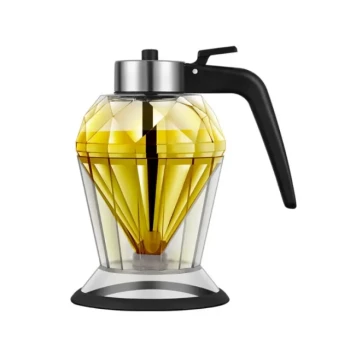
- Premium Diamond-Faceted Glass Honey Dispenser
People Also Ask
- What is the aesthetic appeal of using glass jars for honey? Elevate Your Brand with Premium Packaging
- What are the advantages of glass containers for honey? Elevate Quality and Market Value with Premium Packaging
- How does the appearance of glass jar packaging affect the sales and perception of honey? Boost Your Premium Brand Value
- Why is a glass jar preferred for packaging honey? Ultimate Protection for Purity & Flavor
- What are the advantages of using high-quality glass containers in the commercial packaging of honey? Boost Premium Value