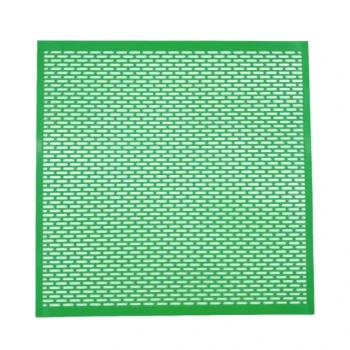
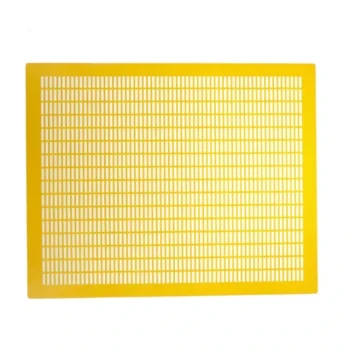
Removing a queen excluder is a critical requirement for hive winterization because it creates a lethal barrier that prevents the queen from staying with the colony.
As the temperature drops, the bee colony migrates upward through the hive to access honey stores, but the queen cannot fit through the excluder's mesh. While the worker bees move up to the food and warmth, the queen is left trapped below the screen, where she will inevitably freeze to death.
The Core Mechanism The winter cluster must move as a single, cohesive unit to survive. A queen excluder physically decouples the queen from the heat source (the workers) and the fuel source (the honey), resulting in colony failure.
The Mechanics of Winter Survival
To understand why the excluder is dangerous, you must first understand how the colony manages cold temperatures.
The Dynamic Cluster
Bees do not hibernate in the traditional sense. Instead, they form a tight cluster to generate heat, vibrating their wing muscles to keep the hive warm.
Following the Fuel
This cluster is not static. As the bees consume the honey stored in the lower combs, the entire group slowly migrates upward into the honey supers where the remaining food is stored.
The Fatal Scenario
When a queen excluder is left in place during this migration, it turns a summer management tool into a winter trap.
The Physical Blockade
The excluder is designed with slits specifically sized to allow smaller worker bees to pass while blocking the larger queen.
In summer, this keeps the brood separated from the honey. In winter, however, this size restriction makes it impossible for the queen to follow the colony.
Separation and Exposure
As the worker bees move upward through the excluder to access new honey stores, the queen is physically stopped at the mesh.
The cluster will eventually move entirely above the excluder to stay with the food. The queen is left stranded below, separated from the colony's warmth. Without the heat of the cluster, she dies from exposure to the cold.
Critical Timing and Common Pitfalls
While the "why" is clear, the "when" is equally important to ensure the hive is prepared before the cold sets in.
The Correct Window for Removal
You should not wait until winter to remove the excluder. It should be taken off as soon as the nectar flow ends and the honey supers are harvested.
According to standard management practices, this typically occurs between late July and mid-August.
The "Honey Barrier" Mistake
A common error occurs when beekeepers leave a super of honey on the hive for winter feed but forget to remove the excluder beneath it.
Even if the hive has ample food, the excluder renders that food inaccessible to the queen, leading to the same fatal result.
Making the Right Choice for Your Goal
Winter preparation requires a shift in mindset from production to survival.
- If your primary focus is Colony Survival: Remove the excluder immediately after the final honey harvest to ensure the queen has unrestricted access to all parts of the hive.
- If your primary focus is Clean Wax/Honey: Utilize the excluder strictly during the spring and summer nectar flows, but never extend its use into the fall preparation season.
A queenless colony in the spring is a failed colony; removing the excluder ensures the cluster remains united against the cold.
Summary Table:
| Factor | Summer Management (With Excluder) | Winter Survival (No Excluder) |
|---|---|---|
| Primary Goal | Separate brood from honey harvest | Ensure cluster mobility and warmth |
| Queen Position | Confined to the brood chamber | Able to move upward with the cluster |
| Worker Access | Free movement through mesh | Free movement through entire hive |
| Risk Level | Low (Used for production efficiency) | High (Lethal barrier for the queen) |
| Migration | Static positioning of queen | Upward movement to access honey stores |
Secure Your Apiary's Future with HONESTBEE
Successful overwintering is the foundation of a productive spring. At HONESTBEE, we understand the specialized needs of commercial apiaries and distributors. Whether you are looking for durable winterizing equipment, high-precision hive-making machinery, or bulk beekeeping consumables, we offer a comprehensive wholesale portfolio to scale your operations.
From honey-filling machines to specialized hardware and cultural merchandise, our professional-grade tools empower you to minimize colony loss and maximize yield. Contact us today to discuss your wholesale requirements and see how our global supply chain can support your business growth.
Related Products
- High Performance Plastic Queen Excluder for Beekeeping and Apiary Management
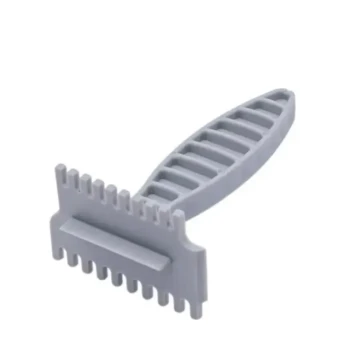
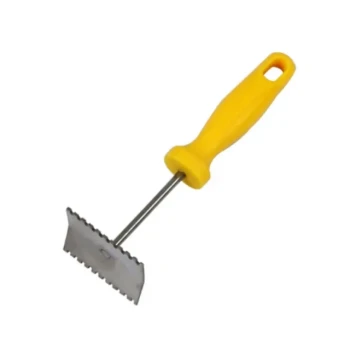
- Lightweight Durable Plastic Queen Excluder Scraper for Beekeeping
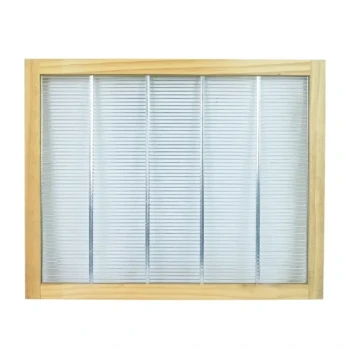
- Premium Wood Framed Metal Wire Queen Bee Excluder
- Professional Plastic Queen Excluder for Modern Beekeeping
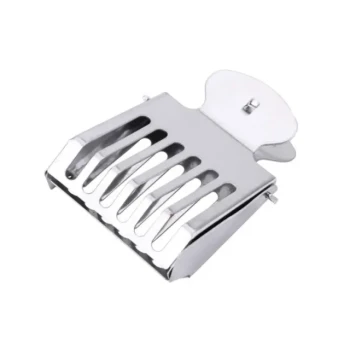
- Metal Queen Bee Excluder for Beekeeping
People Also Ask
- What are the characteristics of a plastic queen excluder? Key Benefits for Cost-Effective Beekeeping
- What are the operational and cost advantages of using plastic queen excluders over metal or wire excluders in commercial hive management? Discover how they reduce labor, prevent wing damage, and lower total costs.
- What types of queen excluders are available for beekeepers? Choose the Right Tool for Your Hive
- Why are standardized hive frames and queen excluders essential for maintaining honey purity and quality? Scale Your Purity
- Do plastic queen excluders work? A Cost-Effective Solution for Modern Apiaries