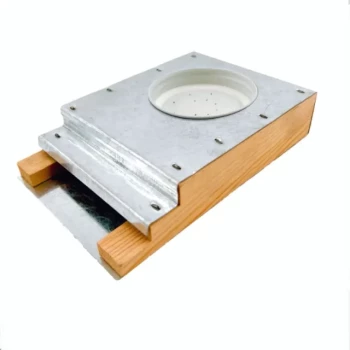
Strict adherence to organic feeding protocols is the only way to guarantee the integrity of the entire organic monitoring chain. In organic beekeeping, feeding is restricted to organic honey or organic syrup—and strictly for emergency survival—to prevent the introduction of Genetically Modified Organisms (GMOs) and synthetic chemical residues into the hive ecosystem.
The mandate for organic feed is a critical defensive measure; it blocks the entry of GMOs and pesticides found in conventional corn syrups, preventing them from bio-accumulating in bee excreta and permanently contaminating the beeswax.
The Prevention of Biological Contamination
Blocking Genetically Modified Organisms (GMOs)
The primary threat to organic integrity comes from conventional feed sources. Conventional corn syrup, a common feed in standard beekeeping, frequently contains GMO components.
By restricting feed to organic sources, beekeepers ensure that the colony's food chain remains free of genetic modification. This is a non-negotiable standard for certified ecological beekeeping.
Eliminating Synthetic Chemical Residues
Non-organic feeds often carry traces of pesticides and synthetic fertilizers used in the cultivation of the feed crops.
Using organic honey or sugar acts as a firewall. It stops these chemical residues from entering the hive, ensuring the physiological health of the honeybees is not compromised by contaminated inputs.
The Long-Term Impact on Hive Products
Contamination of Bee Excreta and Wax
The consequences of feeding non-organic consumables extend far beyond the bees' immediate digestion. Contaminants ingested by the bees eventually manifest in bee excreta.
More critically, these residues can become trapped in the beeswax. Because wax absorbs and holds chemicals, introducing non-organic feed risks permanently degrading the quality of the comb and any subsequent products derived from it.
Physiological Health During Overwintering
The quality of feed is paramount when the colony is most vulnerable. Providing high-standard organic feed is mandatory for winter survival.
This ensures the colony maintains its physiological strength without the metabolic stress caused by processing low-quality or contaminated syrups during the cold months.
Understanding the Operational Trade-offs
The Cost of Compliance
While organic feed ensures purity, it presents a significant financial and logistical challenge. Organic sugar and honey are considerably more expensive than conventional corn syrup.
Beekeepers must account for these higher costs in their operational budgets, recognizing them as an investment in product integrity rather than a simple expense.
Emergency Use vs. Routine Feeding
It is vital to note that even organic feeding is not intended to be a routine practice. The primary reference emphasizes that supplemental feeding is permitted only when the survival of the colony is at risk.
Over-reliance on feeding, even if organic, can mask underlying management issues. The goal is a self-sustaining colony, with feeding reserved strictly for emergencies or preventing starvation during harsh winters.
Strategies for Organic Compliance
To maintain your certification and hive health, you must approach feeding as a strategic intervention, not a routine chore.
- If your primary focus is Maintaining Certification: Ensure every batch of feed is fully traceable and certified organic to prevent GMO introduction into the monitoring chain.
- If your primary focus is Colony Survival: Use organic syrup strictly during emergency shortages or winter preparation to maintain physiological health without contaminating the comb.
Purity in the hive begins with purity in the feeder.
Summary Table:
| Aspect | Organic Feeding Requirement | Conventional Feed Risks |
|---|---|---|
| Genetic Integrity | GMO-free guaranteed | Potential GMO contamination from corn syrup |
| Chemical Residues | Zero synthetic pesticides/fertilizers | Risk of pesticide bio-accumulation in wax |
| Hive Product Quality | Preserves wax and honey purity | Contaminates bee excreta and beeswax |
| Colony Health | High physiological strength for winter | Increased metabolic stress from low-quality feed |
| Usage Policy | Emergency survival only | Often used as routine, low-cost supplementation |
Secure Your Organic Integrity with HONESTBEE
Maintaining a strictly organic monitoring chain requires more than just pure feed; it requires professional tools that meet the highest industry standards. HONESTBEE specializes in supporting commercial apiaries and distributors with a comprehensive wholesale range of beekeeping equipment.
From honey-filling machines that preserve product purity to specialized hive-making hardware and essential consumables, we provide the tools you need to scale your organic operation efficiently. Whether you are a large-scale distributor or a commercial beekeeper, our portfolio is designed to enhance your productivity without compromising quality.
Ready to elevate your beekeeping business?
Contact us today to explore our wholesale solutions and see how our machinery and equipment can add value to your apiary.
References
- Cristina Bianca Pocol, Aurica Chirsanova. Organic Beekeeping Practices in Romania: Status and Perspectives towards a Sustainable Development. DOI: 10.3390/agriculture11040281
This article is also based on technical information from HonestBee Knowledge Base .
Related Products
- HONESTBEE Entrance Bee Feeder Professional Hive Nutrition Solution for Beekeeping
- HONESTBEE Entrance Bee Feeder Efficient Hive Front Liquid Feeding Solution for Beekeeping
- Professional Hive Top Bee Feeder for Beekeeping
- Professional In-Hive Bee Feeder HONESTBEE Frame for Beekeeping
- White Plastic 0.5L Beekeeping Entrance Feeder for Bees
People Also Ask
- What types of bee feeders are available for beginners? Start with the Simple Entrance Feeder
- What are the advantages and disadvantages of using an entrance feeder for bees? Balance Convenience and Hive Security.
- What is a bee entrance feeder and what are its drawbacks? Essential Guide to Hive Security and Feeding Efficiency
- How does a bee entrance feeder work? A Simple Guide to Convenient Hive Feeding
- How to make an entrance feeder for bees? A DIY Guide for Safe & Effective Feeding