The wax capping serves as the bees' seal of quality. It provides a visual confirmation that the honey has reached the proper moisture content required for stability. If honey is collected before it is capped, it likely retains too much water, which fundamentally compromises its quality and shelf life.
Capping is the final step in the honey-making process, indicating that the substance has been sufficiently dehydrated. It ensures the honey is chemically stable and safe from the risks of fermentation.
The Critical Role of Moisture Control
The Indicator of Ripeness
Bees do not cap honeycomb cells arbitrarily. They seal the cell with wax only when the nectar has been converted into fully ripened honey.
This "ripeness" is defined primarily by water content. The capping is the signal that the bees have evaporated enough moisture to stabilize the liquid.
Preventing Fermentation
The primary reason moisture levels matter is the risk of fermentation.
Wild yeasts are naturally present in honey and the environment. If the water content is too high, these yeasts can become active, causing the honey to ferment and spoil.
Ensuring Long-Term Storage
Properly cured, capped honey creates an environment where bacteria and yeast cannot thrive.
By waiting for the bees to cap the honey, you ensure the product is shelf-stable. This allows the honey to be stored for extended periods without degrading or turning sour.
The Extraction Process
The Necessity of Uncapping
While capping is vital for storage, it presents a physical barrier during the harvest.
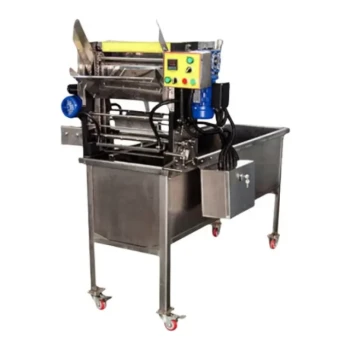
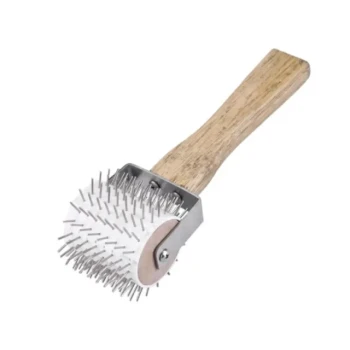
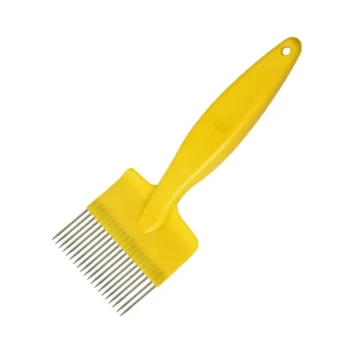
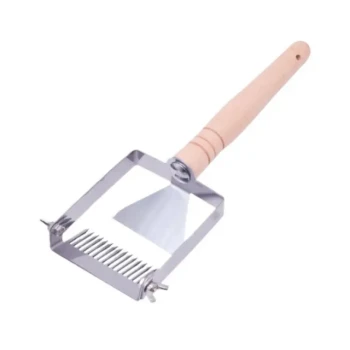
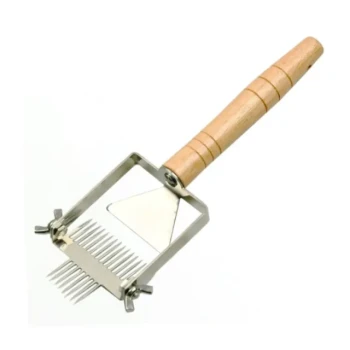
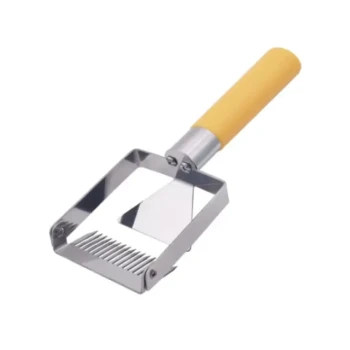
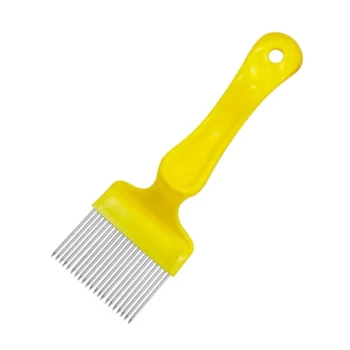
To extract the liquid honey, beekeepers must perform a process called uncapping. This involves slicing or scratching off the thin layer of wax that seals each cell.
Using Centrifugal Force
Once the wax cappings are removed, the frames are placed in an extractor.
The extractor spins the frames, using centrifugal force to pull the liquid honey out of the open cells. If the cells were left capped, the honey would remain trapped inside the comb during this process.
The Risks of Premature Harvesting
The "Wet Honey" Mistake
A common pitfall is harvesting frames where the majority of cells are uncapped. This often results in extracting "nectar" rather than honey.
This liquid has a high water content, making it unstable.
Inevitable Spoilage
Harvesting uncapped honey introduces moisture into your final batch. Even a small amount of unripe honey can raise the overall moisture content of a jar, leading to fermentation across the entire harvest.
Ensuring a Quality Harvest
If your primary focus is Long-Term Storage:
- Wait until the bees have fully capped the honeycomb frames to guarantee the moisture content is low enough to prevent spoilage.
If your primary focus is Extraction Efficiency:
- Ensure you have the proper tools to cleanly remove the wax cappings, as the honey cannot be spun out via centrifugal force while sealed.
Trust the bees' timing; the wax cap is the only reliable sign that the honey is truly finished.
Summary Table:
| Feature | Capped Honey (Ripened) | Uncapped Honey (Unripe) |
|---|---|---|
| Moisture Content | Low (typically <18%) | High (Watery) |
| Stability | Shelf-stable and chemically stable | High risk of fermentation |
| Storage Life | Indefinite if stored properly | Short; prone to souring |
| Indicator | Bees' seal of quality | Incomplete dehydration process |
| Extraction | Requires uncapping tools | Easily flows but lacks quality |
Maximize Your Harvest Efficiency with HONESTBEE
At HONESTBEE, we understand that timing is everything in honey production. We provide commercial apiaries and distributors with the professional-grade tools needed to handle every stage of the harvest—from high-precision uncapping machines to industrial honey extractors and honey-filling systems.
Whether you are scaling your commercial operation or supplying the industry with essential consumables, our comprehensive wholesale portfolio ensures your honey maintains the highest quality from hive to jar.
Ready to upgrade your beekeeping infrastructure? Contact us today to explore our full spectrum of beekeeping machinery and specialized hardware tailored for your success.
Related Products
- Automatic Honey Frame Uncapper Machine for Beekeeping
- Professional Honey Uncapping Roller for Efficient Harvesting
- Professional Durable Plastic Handle Honey Uncapping Fork
- Adjustable Stainless Steel Honey Uncapping Fork with Scraper for Beekeeping
- Adjustable Stainless Steel Honey Uncapping Fork with Scraper Beekeeping Tool
People Also Ask
- What is the primary goal when choosing an uncapping method? Maximize Honey Yield & Comb Integrity
- What is the process of uncapping frames in beekeeping? Master the Best Methods for Maximum Honey Yield
- How are honey frames prepared before extraction? Master the Hive-to-Honey-House Process
- What is the process of uncapping honey frames before extraction? Expert Guide to Efficient Honey Harvesting
- What specialized tools are used to uncap honey frames prior to extraction? Top Uncapping Tools for Efficient Harvesting