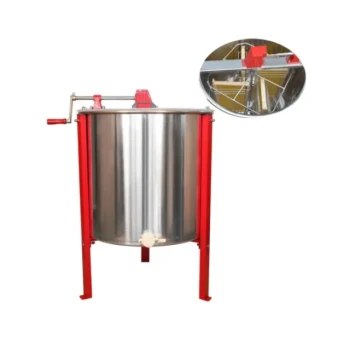
Honey extraction equipment must be completely dry to prevent the introduction of excess moisture, which leads to spoilage. Because honey is hygroscopic, it naturally absorbs water from its surroundings, including any droplets left on wet tools. This additional moisture dilutes the sugars, activating dormant yeasts and causing the honey to ferment and sour.
The stability of honey relies entirely on its low water content. Introducing moisture through wet equipment disrupts this balance, allowing fermentation to occur and turning a non-perishable product into one that spoils rapidly.
The Chemistry of Spoilage
Understanding Hygroscopy
Honey is hygroscopic, meaning it possesses a chemical attraction to water. It does not merely mix with water; it actively pulls moisture from the air and any surface it touches.
If your extractor or bottling pail is damp, the honey will absorb that water immediately. This transforms the residual water from a physical contaminant into a chemical component of your final product.
The Mechanism of Fermentation
Natural yeasts are often present in honey, wax, and pollen, but they remain dormant in honey's natural, low-moisture state. High sugar concentrations usually prevent these yeasts from growing.
However, when water from wet equipment raises the moisture content, the sugar concentration drops. This creates an environment where yeasts thrive, consuming the sugars and converting them into alcohol and acids, which ruins the flavor and quality of the harvest.
Equipment and Material Considerations
Modern Material Advantages
Modern beekeeping relies on stainless steel and food-grade plastics for extractors, uncapping tools, and filters. Unlike traditional porous materials like clay or straw, these modern materials are non-porous and do not absorb contaminants.
Surface Area Risks
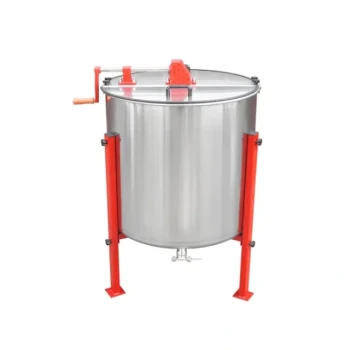
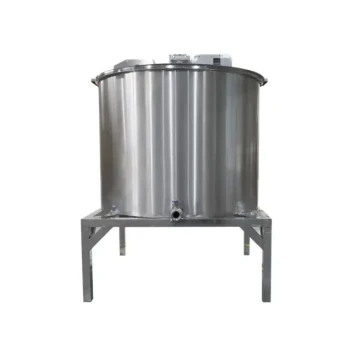
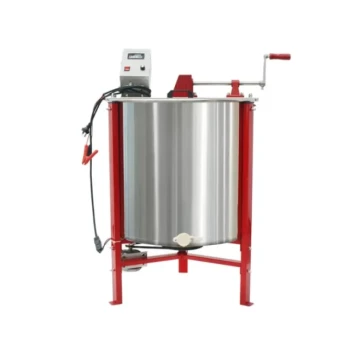
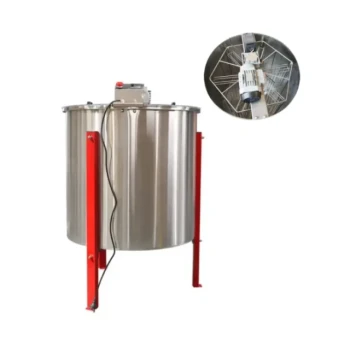
While modern materials are easier to clean, they often feature large surface areas and complex mechanisms. Tools like honey extractors and bottling pails have crevices where water can pool.
Even a small amount of water trapped in a valve or at the bottom of a steel drum is enough to contaminate a batch. Because these materials are non-absorbent, the water sits on the surface until it comes into contact with the honey.
Common Pitfalls to Avoid
The Rush to Extract
A common mistake is washing equipment immediately before use without allowing sufficient drying time. It is better to clean equipment days in advance to ensure it is bone-dry when the harvest begins.
Overlooking Filters and Mesh
Filters and strainers are particularly difficult to dry completely because water clings to the fine mesh. Using a damp filter is a guaranteed way to disperse moisture throughout the entire volume of honey as it passes through.
Ensuring a Stable Harvest
To guarantee the biological safety and longevity of your product, strict moisture control is non-negotiable.
- If your primary focus is long-term storage: Ensure all equipment is dried with clean towels and air-dried effectively to keep moisture content low and prevent fermentation.
- If your primary focus is commercial standards: utilize food-grade stainless steel tools that are chemically clean and physically dry to meet market hygiene requirements.
Patience during the equipment drying process is the most effective way to protect the shelf-life and quality of your honey.
Summary Table:
| Key Factor | Impact of Moisture | Mitigation Strategy |
|---|---|---|
| Hygroscopy | Honey actively pulls water from damp surfaces, diluting sugar content. | Ensure all surfaces are bone-dry before contact. |
| Fermentation | High moisture activates dormant yeasts, turning sugars into alcohol. | Maintain low moisture levels to keep honey shelf-stable. |
| Equipment Type | Water pools in crevices of extractors, valves, and bottling pails. | Clean equipment days in advance to allow for full air-drying. |
| Fine Mesh/Filters | Damp filters disperse moisture throughout the entire honey batch. | Use lint-free towels and extended air-drying for fine mesh tools. |
Scale Your Honey Production with HONESTBEE Quality
Preserving the purity of your harvest starts with professional-grade tools. HONESTBEE provides commercial apiaries and distributors with high-performance, food-grade stainless steel honey extractors, honey-filling machines, and a full spectrum of beekeeping equipment designed for easy cleaning and optimal hygiene.
Whether you are upgrading your facility's machinery or sourcing wholesale consumables, our team is dedicated to supporting your growth with durable, industry-leading solutions.
Ready to elevate your honey production standards?
Contact HONESTBEE Today for Custom Wholesale Solutions
Related Products
- Electric 8 Frame Honey Spinner Extractor Equipment for Beekeeping
- 6 Frame Manual Stainless Steel Honey Extractor Beekeeping Equipment
- HONESTBEE 2 Frame Manual Acrylic Honey Extractor Beekeeping Equipment
- HONESTBEE 72 Frame Industrial Electric Honey Extractor for Beekeeping
- 32 Frame Commercial Electric Honey Extractor for Beekeeping and Honey Production
People Also Ask
- What are the advantages of an electric honey extractor? Boost Efficiency and Scale Your Honey Production
- What are the characteristics of electric honey extractors? Boost Your Apiary Efficiency with Automated Technology
- What are the disadvantages of using an electric honey extractor? Weighing Cost, Power, and Comb Safety
- What are the features of an electric honey extractor? Boost Your Apiary's Productivity with Motorized Efficiency
- What are the technical advantages of electric honey extractors? Maximize Yield and Protect Your Bee Colony