Heating beeswax beyond 170°F results in significant quality degradation. When the wax exceeds this specific temperature threshold, it begins to lose its natural, characteristic aroma and undergoes a permanent darkening in color.
While beeswax melts at a lower range, pushing the temperature past 170°F compromises the integrity of the material. To maintain the wax's natural honey scent and golden hue, you must monitor heat levels closely.
The Chemistry of Thermal Degradation
The Melting Zone vs. The Danger Zone
It is critical to understand the gap between when beeswax becomes liquid and when it begins to burn.
According to technical data, beeswax begins to melt between 143°F and 151°F. This provides a relatively narrow "safe working window" of approximately 20 degrees before damage occurs.
Loss of Volatile Compounds
The first casualty of overheating is the scent.
The pleasant, honey-like aroma of beeswax comes from volatile natural oils trapped within the wax matrix. Exceeding 170°F causes these volatile compounds to evaporate rapidly, leaving the resulting product smelling neutral or flat.
Visual Discoloration
High temperatures alter the chemical structure of the wax, leading to visual changes.
Once the wax passes the 170°F mark, it begins to darken. This discoloration is irreversible and can ruin the aesthetic appeal of candles, balms, or other cosmetic applications that rely on the bright, clean look of natural wax.
Understanding the Trade-offs
Speed vs. Quality
The most common reason for overheating is the desire to melt the wax faster.
Applying high, direct heat will liquify a block of wax quickly, but it almost guarantees you will overshoot the 170°F limit at the contact points. The trade-off for speed is a lower-quality final product that lacks the premium sensory characteristics of raw beeswax.
Irreversible Damage
It is important to note that you cannot "fix" overheated beeswax.
Once the aroma is cooked out or the color has darkened, cooling the wax back down will not restore its original properties. The degradation is permanent.
Making the Right Choice for Your Project
To ensure professional results, you must prioritize temperature regulation over processing speed.
- If your primary focus is keeping the natural scent: Use a double boiler to apply gentle, indirect heat and remove the wax from the heat source the moment it liquifies.
- If your primary focus is maintaining a bright yellow color: Use a thermometer to ensure the wax stays within the 143°F–160°F range, strictly avoiding the 170°F threshold.
Respect the thermal limits of your material, and the natural quality of the beeswax will shine through in your final product.
Summary Table:
| Temperature Range | Physical State | Effect on Quality |
|---|---|---|
| 143°F - 151°F | Melting Point | Safe working zone; wax turns to liquid. |
| 152°F - 169°F | Safe Processing | Ideal range for maintaining natural scent and color. |
| 170°F and Above | Danger Zone | Irreversible darkening and loss of volatile honey aroma. |
| Above 170°F | Thermal Degradation | Permanent chemical damage; scent becomes flat/neutral. |
Elevate Your Apiary Production with HONESTBEE
Preserving the premium quality of your beeswax requires precision and the right equipment. HONESTBEE specializes in supporting commercial apiaries and distributors with a comprehensive range of professional-grade beekeeping tools and machinery.
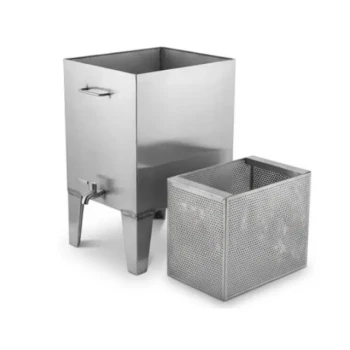
From high-precision melting tanks and honey-filling machines to specialized hive-making hardware and essential consumables, we provide the industrial solutions you need to scale your operations without sacrificing product integrity.
Ready to upgrade your wholesale capabilities? Contact our expert team today to discover how our tailored equipment and honey-themed cultural merchandise can drive your business forward.
Related Products
- Beeswax Foundation Sheets Beehive Foundation for Wholesale
- Colorful Silicone Beeswax Foundation Mold Mould for Beekeeping
- Economy Manual Beeswax Embossing Mill Wax Foundation Machine Roller
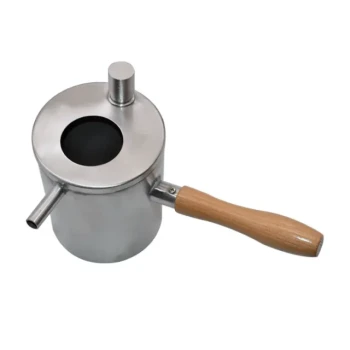
- Beeswax Melter for Candle Making Honey Bee Wax Melter
- Electric Beeswax Flat Sheet Machine with Operating Tray for Wax Processing
People Also Ask
- What are the technical advantages of beeswax foundations and feeding tools? Optimize Your Bee Breeding Phase
- Why is the regular exchange and replacement of beeswax foundations encouraged? Boost Honey Yield & Hive Biosafety
- What are the negative consequences of using old or contaminated beeswax in foundations? Protect Your Hive Today
- Why is high-purity natural beeswax essential for foundations? Prevent Larval Mortality & Boost Colony Health
- What are the specific advantages of regular comb replacement? Boost Hive Health with New Beeswax Foundations