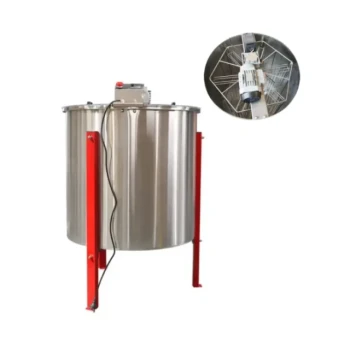
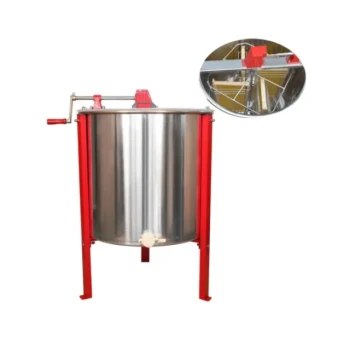
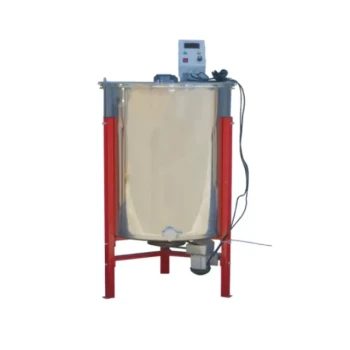
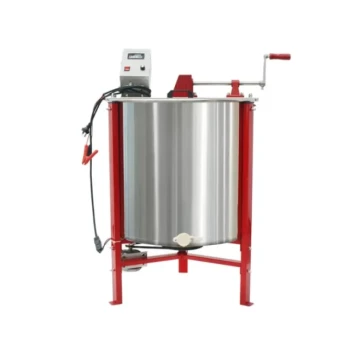
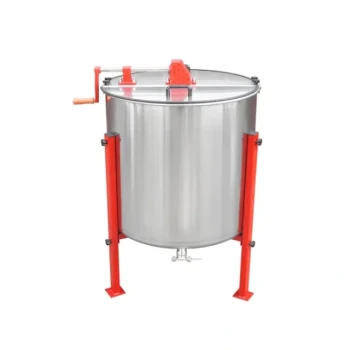
Honey processing equipment must be constructed from stainless steel or food-grade plastic to prevent chemical contamination and ensure strict biological safety. Because honey is naturally mildy acidic, it reacts aggressively with reactive metals, leading to corrosion and the leaching of metal ions that alter flavor and color. Furthermore, the non-porous, smooth surfaces of these specific materials are required to allow for the thorough disinfection necessary to meet food safety standards.
Core Takeaway Honey is chemically active due to its acidity and hygroscopic nature (ability to absorb moisture). Utilizing inert materials like stainless steel and food-grade plastic is the only way to prevent heavy metal toxicity, stop fermentation caused by moisture ingress, and preserve the honey's natural purity.
The Critical Factor: Honey’s Acidity
Honey is not a neutral substance; it possesses a distinct natural acidity. This chemical property dictates which materials can safely come into contact with it.
preventing Chemical Corrosion
If honey comes into contact with non-inert metals, its acidity triggers a corrosive reaction.
Materials like galvanized iron or containers with lead-soldered seams are highly susceptible to this acidic attack.
Avoiding Heavy Metal Leaching
When corrosion occurs, heavy metals such as zinc, iron, and lead leach directly into the honey.
This contamination poses a significant health risk and degrades the chemical purity of the product.
Preserving Sensory Quality
Metal ion contamination does not just affect safety; it destroys the product's market value.
The presence of metal ions catalyzes oxidation, causing the honey to darken significantly and develop off-flavors.
Why Stainless Steel is the Standard
For extraction and processing equipment, stainless steel is the superior choice due to its durability and hygiene profile.
Chemical Inertness
Food-grade stainless steel is chemically stable.
It resists the corrosive effects of honey’s acidity, ensuring that the equipment does not degrade over time or contaminate the batch with metal residue.
Surface Smoothness and Sanitation
Stainless steel offers a hard, non-porous surface that lacks the microscopic crevices found in other materials.
This "smoothness" prevents pathogen residues from hiding in cracks, allowing for effective chemical disinfection and preventing cross-contamination between batches.
Why Food-Grade Plastic is Essential
While stainless steel handles processing, food-grade plastic is often the material of choice for storage due to its sealing capabilities.
Managing Hygroscopicity
Honey is hygroscopic, meaning it naturally absorbs moisture from the surrounding atmosphere.
If honey absorbs too much water, the yeast naturally present in the product will activate, leading to fermentation and spoilage.
Airtight Sealing and Moisture Resistance
Food-grade plastic containers provide a superior moisture barrier compared to makeshift storage.
Their airtight seals effectively block atmospheric moisture, preserving the honey's physicochemical characteristics during long-term storage or seasonal temperature shifts.
Preventing Chemical Migration
Unlike standard plastics, food-grade varieties are engineered to be chemically stable.
They prevent the migration of harmful plasticizers or synthetic substances from the packaging into the honey, ensuring the product remains pure enough for strict chemical analysis.
Common Pitfalls to Avoid
Using the wrong material is a frequent cause of spoiled harvests. It is critical to recognize specific materials that must be excluded from the apiary.
The Danger of Galvanized Iron
Never use galvanized containers for honey storage or processing.
The acidic reaction with the zinc coating is rapid, leading to immediate contamination and potential toxicity.
The Risk of Physical Defects
Avoid equipment with rough welds or porous surfaces.
Even if the material is technically "safe," physical imperfections can harbor bacteria that standard cleaning cannot reach, compromising biological safety.
Making the Right Choice for Your Goal
Selecting between stainless steel and plastic depends largely on where you are in the production cycle.
- If your primary focus is Extraction and Processing: Prioritize high-quality stainless steel machinery to endure mechanical stress and allow for frequent, heavy-duty sanitization.
- If your primary focus is Long-Term Storage: Prioritize food-grade plastic with airtight seals to prevent moisture absorption and fermentation during the off-season.
- If your primary focus is Market Presentation: Ensure any material used prevents oxidation and darkening, as these visual cues often indicate metal contamination to sophisticated buyers.
Adhering to these material standards is the single most effective step you can take to protect the safety and value of your harvest.
Summary Table:
| Material Type | Primary Benefit | Recommended Use | Risk of Improper Use |
|---|---|---|---|
| Stainless Steel | Chemical inertness & durability | Extraction & Processing machinery | Corrosion & heavy metal leaching |
| Food-Grade Plastic | Airtight sealing & moisture barrier | Long-term storage & Transport | Chemical migration & fermentation |
| Inert Materials | Non-porous & easy to sanitize | All apiary tools | Bacterial growth & spoilage |
Maximize Your Harvest Quality with HONESTBEE
At HONESTBEE, we specialize in empowering commercial apiaries and distributors with the professional-grade equipment needed to meet international food safety standards. From high-durability stainless steel honey-filling machines to precision honey extractors and essential industry consumables, our comprehensive wholesale portfolio is designed for those who refuse to compromise on purity.
Ready to upgrade your apiary with food-safe machinery and honey-themed cultural merchandise? Contact our experts today to discuss how our bulk solutions can enhance your production efficiency and market value.
References
- Kiran Rana Ishita Mishra. Adoption of Recommended Beekeeping Practices in Kumaon Hills of Uttarakhand. DOI: 10.47191/ijmra/v5-i2-05
This article is also based on technical information from HonestBee Knowledge Base .
Related Products
- HONESTBEE 72 Frame Industrial Electric Honey Extractor for Beekeeping
- Commercial Electric 12 Frame Honey Extractor Spinner Motorized Honey Extractor
- HONESTBEE 6 Frame Self Reversing Electric Honey Extractor for Beekeeping
- HONESTBEE 3-Frame Manual Acrylic Honey Extractor
- Stainless Steel Manual 8 Frame Radial Honey Extractor Machine for Beehives
People Also Ask
- What is the importance of balancing honeycomb frames within a honey extractor? Ensure Stability and Protect Machinery
- How is honey separated from the frames after they are uncapped? Efficient Extraction Methods for High Yields
- What are the main benefits of using a honey extractor? Maximize Yields and Protect Your Honeycomb
- What are the recommended methods for removing honey from the honeycomb? Top Extraction Techniques for Maximum Efficiency
- How do manual honey extractors compare to electric honey extractors? Choosing the Right Tool for Your Apiary Growth