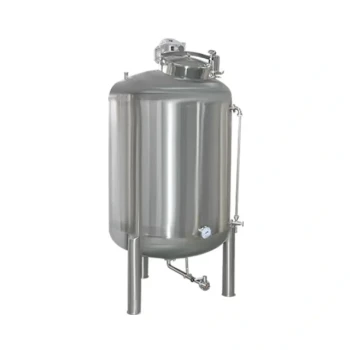
Stingless bee honey requires a mandatory 30 to 45-day resting period in settling containers to ensure physical and chemical stability prior to bottling. This extended duration facilitates a natural, density-based separation process where micro-bubbles rise to the top and fine particulates sink to the bottom, effectively clarifying the honey without thermal processing.
The settling phase is a critical quality control measure that manages the honey's naturally high moisture content. It allows fermentation gases to escape and impurities to settle, preventing bottle instability and preserving the product's raw characteristics.
The Physics of Natural Clarification
Density-Based Separation
Stingless bee honey contains a mixture of liquid nectar, suspended solids, and trapped gases.
Because these elements have different densities, gravity naturally separates them over time.
This passive process eliminates the need for mechanical filtration, which can strip the honey of beneficial pollen and resins.
Eliminating Micro-Bubbles
High moisture content and enzymatic activity often create micro-bubbles within the honey.
During the 30 to 45-day period, these light bubbles migrate to the surface.
Once at the surface, they form a foam that can be easily skimmed off, leaving the bulk of the honey clear.
Sedimentation of Impurities
While bubbles rise, heavier impurities such as fine wax particles and debris drift downward.
These collect at the bottom of the container.
This leaves a purified "middle layer" of honey that is visually clear and professional in appearance.
Achieving Stability Without Heat
Discharging Fermentation Gases
Stingless bee honey is biologically active and prone to natural fermentation.
This fermentation generates gas that must be released before the container is sealed.
The resting period allows these gases to discharge fully, preventing pressure buildup that could cause bottled honey to leak or explode.
Preserving Bioactive Compounds
Many commercial honeys use high heat to stop fermentation and improve clarity.
However, heat degrades delicate bioactive substances and phenolic compounds.
The long settling period achieves clarity and stability mechanically, preserving the honey's nutritional profile and antioxidant properties.
Operational Trade-offs and Risks
Vulnerability to Contamination
A 45-day settling period leaves the honey exposed for a significant amount of time.
The processing environment must be rigorously secured against pests and insects.
Any breach in the container's seal during this time can ruin the entire batch.
Light-Induced Degradation
While the honey settles, it is susceptible to photochemical damage.
Exposure to ultraviolet or visible light can degrade light-sensitive bioactive ingredients.
To mitigate this, settling should occur in opaque or sterile amber glass containers to block harmful light waves.
Making the Right Choice for Your Goal
When planning your processing workflow, align your settling time with your quality objectives.
- If your primary focus is Product Stability: Ensure the full 45-day period is observed to allow complete off-gassing of fermentation byproducts, preventing shelf-life issues.
- If your primary focus is Visual Clarity: Prioritize a vibration-free environment to prevent remixing settled sediment before decanting the middle layer.
Patience during the settling phase is the single most effective tool for producing professional-grade stingless bee honey.
Summary Table:
| Feature | Impact on Honey Quality | Why 30-45 Days? |
|---|---|---|
| Natural Clarification | Removes micro-bubbles and wax debris | Allows density-based separation without heat |
| Gas Discharge | Prevents bottle leakage or explosions | Ensures all fermentation gases escape fully |
| Bioactive Preservation | Maintains antioxidants and enzymes | Avoids thermal damage from rapid processing |
| Physical Stability | Provides a clear, professional appearance | Gives heavier particulates time to sediment |
Elevate Your Honey Production with HONESTBEE
At HONESTBEE, we understand that patience and precision are the keys to premium stingless bee honey. Whether you are a commercial apiary or a global distributor, our comprehensive wholesale offering provides the specialized tools you need to master the settling and bottling process.
From high-capacity settling containers and honey-filling machines to professional-grade beekeeping hardware and essential consumables, we supply everything required to maintain product integrity and bioactive potency. Our expertise helps you scale production while preserving the raw characteristics your customers demand.
Ready to optimize your honey processing workflow? Contact HONESTBEE today to explore our full spectrum of beekeeping machinery and wholesale equipment solutions.
References
- Bajaree Chuttong, Michael Burgett. Meliponiculture. DOI: 10.1080/0005772x.2014.11417595
This article is also based on technical information from HonestBee Knowledge Base .
Related Products
- Stainless Steel Honey Storage and Settling Tank with Double Strainer
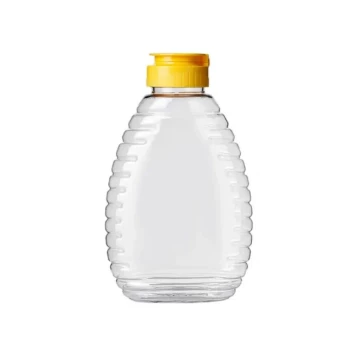
- Squeezable No-Drip Beehive-Shaped Honey Jars with Flip-Top Cap
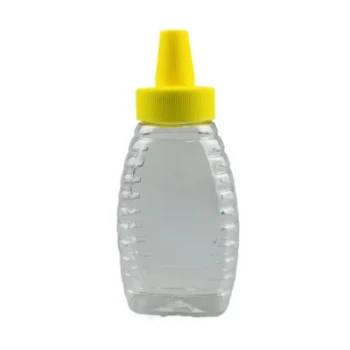
- Classic Beehive Honey Bottle Jar with Squeeze Dispenser Lid
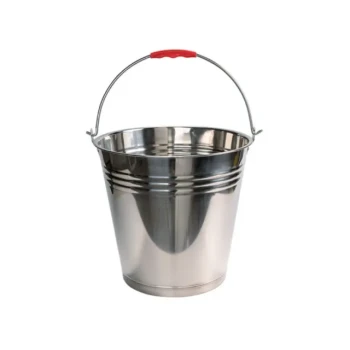
- Premium Stainless Steel Honey Tank Bucket Pail with Reinforced Handle and Polished Finish
- Stainless Steel Honey Storage Tank with Lid for Honey
People Also Ask
- What economic role do honey storage tanks play? Boost Your Revenue Through Strategic Inventory Management
- What roles do industrial honey storage tanks and filtration meshes play in processing? Ensure Purity & Consistency
- What is the purpose of a honey storage tank? Streamline Your Honey Processing for Quality & Efficiency
- What role do settling tanks play in honey production? Achieve Pure, High-Clarity Honey Naturally
- Why are large settling tanks used in the honey clarification process? Achieve Natural Purity & Batch Consistency