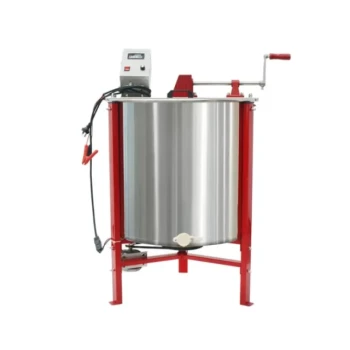
Food-grade stainless steel is the industry standard for honey processing because honey is a naturally acidic substance that actively corrodes inferior metals. Its use creates a chemically inert environment that prevents the leaching of heavy metals into the product, while its non-porous surface allows for the rigorous sterilization required to meet international hygiene standards.
The Core Insight Because honey typically has a low pH (3.2 to 4.5), it acts as a mild solvent that can erode ordinary containers, leading to chemical contamination. Stainless steel is preferred because it neutralizes this risk through superior corrosion resistance, ensuring the biochemical stability and safety of the final product.
The Chemistry of Interaction
Acid Resistance and Purity
Honey is naturally acidic, with a low pH value. If placed in containers made of aluminum, galvanized steel, or low-quality alloys, the acidity triggers a chemical reaction.
This reaction erodes the container walls, causing the migration of metal ions—specifically zinc, copper, iron, and lead—into the honey. Food-grade stainless steel (often grade 304) is chemically stable, effectively preventing this heavy metal contamination.
Preserving Sensory Quality
When acidic honey reacts with reactive metals, it does not just become unsafe; the quality degrades.
The leaching process can cause discoloration and alter the taste profile of the honey. Stainless steel ensures that the sensory quality—the color, aroma, and flavor—remains exactly as nature intended, without metallic taints.
Hygiene and Sterilization Standards
The Importance of Surface Texture
A critical advantage of stainless steel is its smooth, non-porous surface.
Rougher materials can harbor microscopic pathogen residues in crevices that are difficult to reach. The smoothness of stainless steel facilitates thorough cleaning and sterilization, which is essential for eliminating biological hazards.
Preventing Cross-Contamination
In a processing facility, different batches of bee products are often run through the same equipment.
Because stainless steel allows for complete removal of residue, it prevents cross-contamination between batches. This "cleanability" is a primary requirement for complying with strict international food safety standards, such as HACCP.
Storage and Stability
Moisture Control
Stainless steel storage tanks are often designed to be airtight.
This is vital because honey is hygroscopic (it absorbs moisture from the air). If honey absorbs too much water, it can ferment and spoil. Airtight stainless steel vessels prevent this, ensuring physical stability before bottling.
Static Sedimentation
High-quality stainless steel tanks are utilized for static sedimentation.
This process relies on specific gravity to separate impurities. Micro-bubbles rise while heavier sediments settle. The inert nature of the tank ensures that this settling process happens without any chemical changes to the honey itself.
Common Pitfalls and Trade-offs
Not All Stainless Steel is "Food-Grade"
A common mistake is assuming any stainless steel will suffice.
You must specifically utilize food-grade stainless steel (such as 304). Lower industrial grades may lack the necessary corrosion resistance or surface finish, leading to the exact contamination issues you are trying to avoid.
Initial Cost vs. Long-Term Value
Stainless steel represents a higher upfront investment compared to food-grade plastics or lesser metals.
However, the trade-off is durability and safety. Lower-cost materials may degrade under the constant acidity of honey, requiring frequent replacement and risking product recalls due to contamination.
Making the Right Choice for Your Goal
When selecting equipment for your apiary or processing plant, consider your specific objectives:
- If your primary focus is Purity and Safety: Prioritize 304 food-grade stainless steel to strictly prevent the leaching of heavy metals like lead, zinc, and copper caused by honey's acidity.
- If your primary focus is Hygiene Compliance: Ensure your equipment has a verified smooth finish to facilitate the rigorous cleaning required for HACCP certification.
- If your primary focus is Long-Term Storage: Select airtight stainless steel tanks to prevent moisture absorption and fermentation.
By choosing food-grade stainless steel, you are not just buying a container; you are investing in the biochemical stability and safety of your product.
Summary Table:
| Feature | Food-Grade Stainless Steel (304) | Impact on Honey Quality |
|---|---|---|
| Chemical Stability | Resistant to low pH (3.2-4.5) | Prevents heavy metal leaching (Lead, Zinc, Copper) |
| Surface Texture | Smooth and non-porous | Eliminates pathogen residues and allows easy sterilization |
| Airtight Sealing | High-precision fittings | Prevents moisture absorption and fermentation (Hygroscopy) |
| Sensory Preservation | Inert material | Maintains original color, aroma, and flavor profiles |
| Durability | High corrosion resistance | Long-term asset life with minimal risk of product recalls |
Elevate Your Honey Production with HONESTBEE
At HONESTBEE, we understand that for commercial apiaries and distributors, the purity of your honey is your reputation. We specialize in providing a comprehensive range of professional beekeeping tools and machinery, including high-capacity honey-filling machines and 304 food-grade stainless steel storage solutions designed to meet the strictest international hygiene standards.
Whether you are scaling your processing facility or seeking reliable wholesale equipment, our expert team is ready to supply the specialized hardware and consumables you need to ensure biochemical stability and safety.
Ready to upgrade your infrastructure? Contact us today to discover how HONESTBEE can streamline your operations and safeguard your product quality.
References
- Alexandra-Antonia Cucu, Daniel Severus Dezmirean. Towards a Better Understanding of Nutritional and Therapeutic Effects of Honey and Their Applications in Apitherapy. DOI: 10.3390/app11094190
This article is also based on technical information from HonestBee Knowledge Base .
Related Products
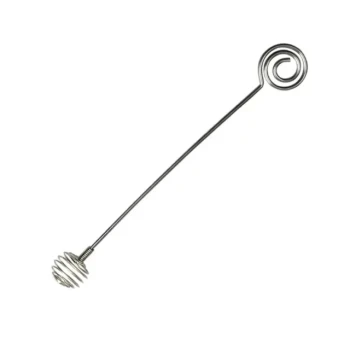
- Heavy Duty 304 Stainless Steel Honey Dipper
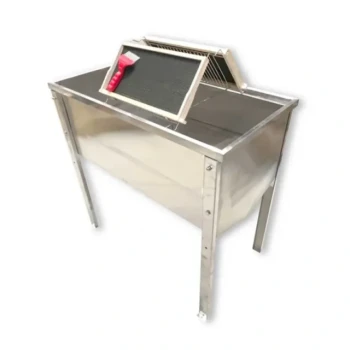
- Heavy Duty Stainless Steel Honey Processing Machine Decrystallizing Tank
- Professional Stainless Steel Honey Filtering Machine with Water Bath Heating for Beekeeping
- Modern Stainless Steel Honey Dipper Stirrer
- Stainless Steel Manual Honey Press with Guard for Pressing Honey and Wax
People Also Ask
- How do you clean and store a honey dipper? Simple Steps for Long-Lasting Performance
- What is the proper method for cleaning a honey dipper? Maintain Pure Flavor with These Easy Pro Tips
- What is a honey dipper and what is it used for? A Guide to Mess-Free Drizzling
- What is a honey dipper? Master the Art of the Perfect Drizzle with This Essential Tool
- What is a honey taking spoon called? Discover the Tool for a Perfect, Mess-Free Drizzle