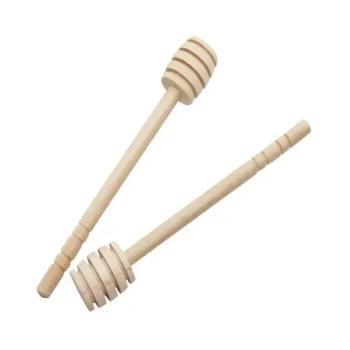
Soaking wooden molds in cold water is a non-negotiable step to create a functional barrier between the porous wood and hot beeswax. This process saturates the wood fibers, establishing a thin film of water on the surface of the mold. This film prevents the molten wax from penetrating the wood grain, which is the primary cause of sticking and structural damage during removal.
The water film serves a dual purpose: it acts as a physical release agent preventing wax penetration, and provides instantaneous cooling to solidify the contact layer, ensuring the finished cup slides off with its delicate edges intact.
The Mechanics of Wax and Wood Interaction
To understand why this step is critical, one must look at how wood interacts with viscous fluids like molten wax.
Creating a Physical Barrier
Wood is naturally porous and absorbent. Without water saturation, hot liquid wax would immediately seep into the microscopic fibers of the mold.
By soaking the mold, you fill these pores with water. This creates a hydro-barrier that physically blocks the wax from entering the grain, keeping the wax on the surface rather than inside the tool.
Instantaneous Contact Cooling
The temperature difference between the molten wax and the cold water film is vital.
When the mold is dipped, the cold water film causes the wax touching the wood to cool and solidify instantaneously. This rapid phase change prevents the wax from adhering to the mold before it has a chance to bond.
Preserving Delicate Structures
The ultimate goal of using a mold is to produce a wax cup with precise geometry.
Because the water film prevents adhesion, the solidified wax components can slide smoothly off the wood. This frictionless release is essential for maintaining the integrity of fragile areas, such as the thin edges of queen cell cups.
Common Pitfalls to Avoid
While the process is simple, failing to execute it correctly leads to immediate failure in the dipping process.
The Consequence of Dry Molds
If a mold is used without soaking, or if the wood has dried out between uses, the wax will bond to the wood fibers.
This results in the wax cup tearing apart during removal. It also leaves the wooden tool coated in hardened wax, requiring difficult cleaning before it can be used again.
The Importance of Water Temperature
The reference specifies cold water for a reason.
Warm or tepid water may not provide the rapid cooling shock required to solidify the inner wax layer instantly. Cold water ensures the distinct separation layer remains stable during the brief contact with hot wax.
Making the Right Choice for Your Goal
To ensure consistent results in your wax dipping process, apply the following principles:
- If your primary focus is maximizing tool longevity: Soaking creates a barrier that prevents wax buildup in the wood grain, reducing the need for abrasive scraping or cleaning.
- If your primary focus is product quality: Ensure the mold is wet before every single dip to guarantee that the fine edges of your wax cups remain sharp and unbroken.
By maintaining a consistent film of cold water, you utilize simple physics to ensure a clean, professional release every time.
Summary Table:
| Process Element | Function | Benefit |
|---|---|---|
| Pore Saturation | Fills wood fibers with water | Prevents hot wax from penetrating the grain |
| Hydro-barrier | Creates a physical release film | Allows the wax cup to slide off smoothly |
| Thermal Shock | Instantaneous cooling | Solidifies the contact layer for precise edges |
| Tool Longevity | Eliminates wax adhesion | Reduces cleaning needs and prevents tool damage |
Elevate Your Beekeeping Production with HONESTBEE
At HONESTBEE, we specialize in empowering commercial apiaries and distributors with professional-grade solutions. Whether you are scaling up with our advanced hive-making and honey-filling machinery or need a steady supply of high-quality beekeeping tools and consumables, we have the expertise to support your growth.
From traditional wax processing tools to modern hardware and honey-themed cultural merchandise, we provide the full spectrum of equipment needed to succeed in the competitive honey industry.
Ready to optimize your apiary’s efficiency? Contact HONESTBEE Today to discuss our wholesale offerings and discover how our comprehensive portfolio can add value to your business!
References
- Slobodan Dolašević, Ružica Ždero Pavlović. Comparison of time consumption between traditional and innovative methods of producing Queen cell cups. DOI: 10.5937/animtrend25200d
This article is also based on technical information from HonestBee Knowledge Base .
Related Products
- Modern Honeycomb Pattern Wooden Honey Dipper for Stirring and Drizzling
- Notebook Style Beeswax Foundation Mould Wax Foundation Mold
- Colorful Silicone Beeswax Foundation Mold Mould for Beekeeping
- Natural Wood Honey Dipper for Tea Coffee and Desserts
- 3D Beehive Silicone Skep Wax Candle Molds for Candles
People Also Ask
- What is the proper method for cleaning a honey dipper? Maintain Pure Flavor with These Easy Pro Tips
- What is a honey dipper and what is it used for? A Guide to Mess-Free Drizzling
- What is a honey dipper? Master the Art of the Perfect Drizzle with This Essential Tool
- What is a honey taking spoon called? Discover the Tool for a Perfect, Mess-Free Drizzle
- How do you clean and store a honey dipper? Simple Steps for Long-Lasting Performance