The decision to avoid secondhand equipment is primarily a matter of biological security. New beekeepers are strongly advised to purchase new gear to prevent the transmission of persistent, fatal bacterial diseases that can survive on used tools and hive boxes for years.
The invisible threat of American and European foulbrood diseases outweighs the initial cost savings of used equipment. Introducing these pathogens to a new apiary can doom a healthy colony before it even begins to establish itself.
The Hidden Biological Risks
The Persistence of Bacteria
The most significant danger in used equipment is the presence of harmful bacteria, specifically those responsible for American and European foulbrood diseases.
These pathogens are notoriously resilient. They can form spores that remain viable in wooden hive boxes, frames, and beekeeping tools long after the original colony has died or been removed.
Immediate Infection of Healthy Colonies
When you introduce a new, healthy package of bees into a contaminated secondhand hive, you are effectively inoculating them with disease.
This can spoil your beekeeping endeavor immediately. Instead of building comb and foraging, the colony creates a brood that quickly becomes infected and dies.
Chemical and Environmental Contamination
Accumulation of Residues
Beyond bacteria, used equipment—particularly used comb and wax—often harbors chemical residues.
Beeswax acts as a sponge, absorbing chemicals from agricultural pesticides sprayed in nearby fields or treatments used by the previous beekeeper to control pests like Varroa mites.
The Traceability Problem
With secondhand gear, the history of the equipment is often unknown.
You cannot verify which chemicals were used or if the wax contains contaminants that could compromise an organic or natural beekeeping approach.
Understanding the Trade-offs
The Financial Illusion
The primary appeal of secondhand equipment is the lower upfront cost compared to purchasing new woodenware and frames.
However, this is often a false economy. If a colony collapses due to inherited disease, the cost of replacing the bees and eventually destroying the infected equipment far exceeds the price of buying new gear initially.
The Challenge of Sterilization
Novice beekeepers often assume they can simply "clean" used equipment.
In reality, effectively sterilizing wood against foulbrood spores is incredibly difficult and often requires scorching or irradiation, processes that are impractical for a beginner.
Making the Right Choice for Your Goal
To ensure the best start for your apiary, consider your primary objectives:
- If your primary focus is Colony Survival: Prioritize buying new woodenware and frames to eliminate the risk of dormant American or European foulbrood wiping out your bees.
- If your primary focus is Natural Beekeeping: Avoid used wax or foundation to ensure your hive is free from inherited chemical residues and agricultural pesticides.
Start with a clean slate to give your bees the best possible chance to thrive.
Summary Table:
| Risk Factor | New Equipment | Secondhand Equipment |
|---|---|---|
| Disease Transmission | Zero risk; sterile start | High risk of Foulbrood spores |
| Chemical Residues | Clean and toxin-free | Wax often harbors pesticides |
| Equipment History | Fully traceable | Unknown and unverifiable |
| Colony Survival | Maximized potential | Significant risk of collapse |
| Initial Investment | Higher upfront cost | False economy; risky savings |
Secure Your Success with HONESTBEE Wholesale Solutions
Don't let contaminated gear compromise your apiary's future. HONESTBEE empowers commercial apiaries and distributors with a comprehensive range of premium, factory-new beekeeping supplies. We provide the biological security your bees deserve.
Our extensive portfolio includes:
- Specialized Hardware: Advanced hive-making and honey-filling machines.
- Full Equipment Spectrum: High-quality woodenware, tools, and machinery.
- Essential Consumables: A wide array of reliable industry consumables.
- Cultural Merchandise: Unique honey-themed retail products.
Partner with a supplier that understands the scale and safety required for professional beekeeping. Contact HONESTBEE Today to discuss our wholesale offerings and give your colonies a clean, healthy start.
Related Products
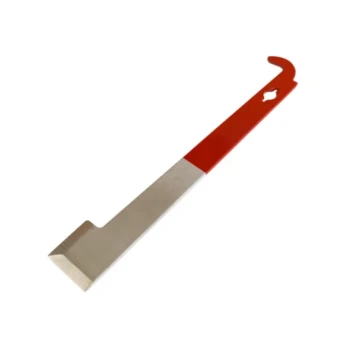
- Stainless Steel J Hook Hive Tool for Beekeeping
- HONESTBEE 15-in-1 Beekeeper Multi-Tool with Hammer and Pliers for Beekeeping
- HONESTBEE Classic Pry Bar Hive Tool with High Visibility Finish for Beekeeping
- Multi-Function Plier-Style Frame Grip Hive Tool
- Stainless Steel Queen Grafting Tool for Beekeeping and Bee Queen Grafting
People Also Ask
- What specific challenges do beekeeping hive tools address during hive maintenance? Essential Solutions for Apiaries
- What is a J-hook hive tool and why is it favored by some beekeepers? Master Gentle Frame Handling
- What are the features of a J-hook hive tool? Effortlessly Lift Frames with Superior Leverage
- What is the purpose of the J-hook hive tool? Effortlessly Lift Frames with Superior Leverage
- How is a J-hook hive tool designed and what is its primary use? Master Effortless Hive Inspections