Toggle Categories
Get Instant Support
Choose your preferred way to connect with our team
-
Get Free Quote Fill out form for detailed pricing
-
Send Email Detailed inquiry support
-
WhatsApp Quick mobile chat
Response Time
Within 8 hours on working days, 24 hours on holidays





Hive Management

HONESTBEE Professional Telescopic Pole Bee Swarm Catcher
Item Number: SCB-1

HONESTBEE Collapsible Tiered Bee Swarm Catcher for Beekeeping
Item Number: SCB-2

Adjustable Formic and Acetic Acid Dispenser for Bee Mite Treatment
Item Number: MDV-1

Compact Circular Bee Mite Treatment Dispenser
Item Number: MDV-2
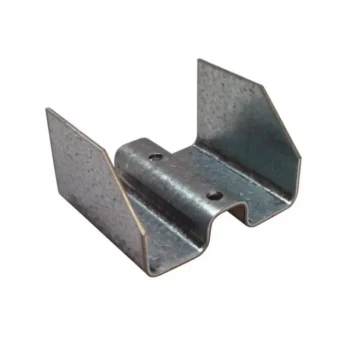
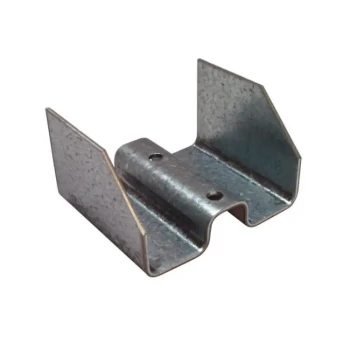
Heavy-Duty Galvanized Steel W-Style Pallet Clip
Item Number: PC-W
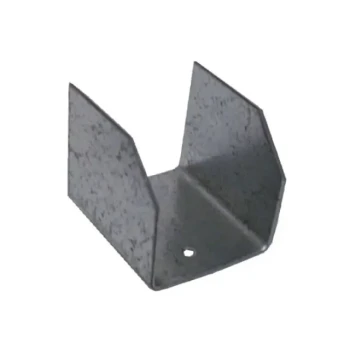
Versatile U-Style Steel Pallet Clip
Item Number: PC-U

Ergonomic Two Person Foldable Hive Lifter
Item Number: BHL-1

Heavy-Duty Bee Smoker with Durable Plastic Bellows for Beekeeping
Item Number: BS-9


Heavy Duty Manual Bee Smoker Blower for Beekeeping
Item Number: BS-10
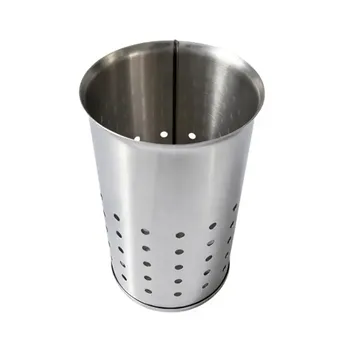
Stainless Steel Perforated Inner Canister for Bee Smoker
Item Number: BS-T

HONESTBEE Professional Long Handled Hive Tool with Precision Cutting Blade
Item Number: HT-16

Wooden Bee Brush with Triple Row Artificial Fiber for Beekeeping
Item Number: BB-7

Premium Triple-Row Horsehair Bee Brush
Item Number: BB-8
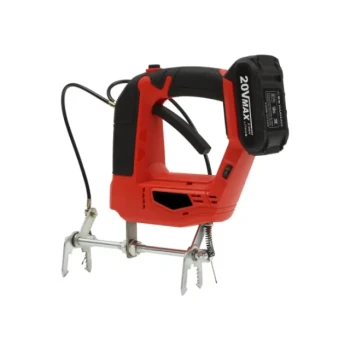
High Performance Cordless Electric Bee Shaker for Beekeeping
Item Number: FSD-1
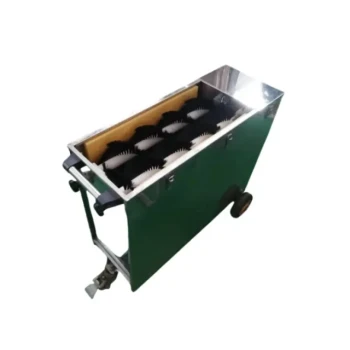
Commercial Grade Vertical Electric Bee Sweeper for Bee Removal
Item Number: FSD-2
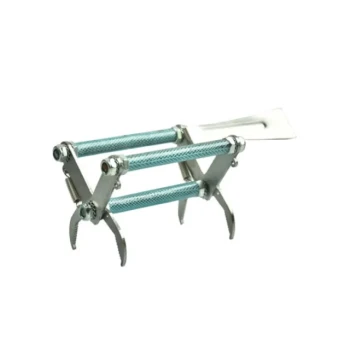
Professional 3-Bar Frame Grip with Integrated Hive Tool
Item Number: BFG-6
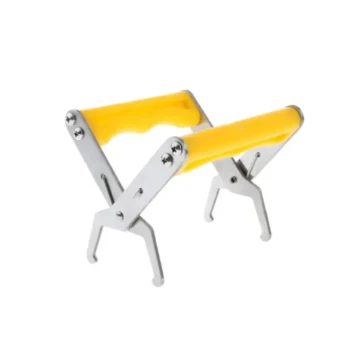
Ergonomic High Visibility Plastic Frame Grip Handles
Item Number: BFG-8

Multi-Function Plier-Style Frame Grip Hive Tool
Item Number: BFG-7
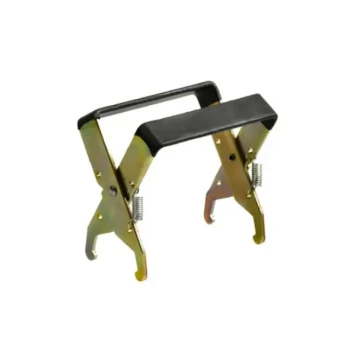
Durable Rubberized Comfort Handle Frame Grip
Item Number: BFG-9
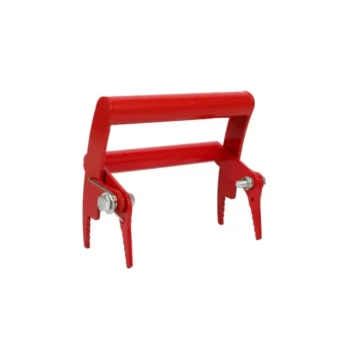
Heavy-Duty Plier Action Frame Grip
Item Number: BFG-10
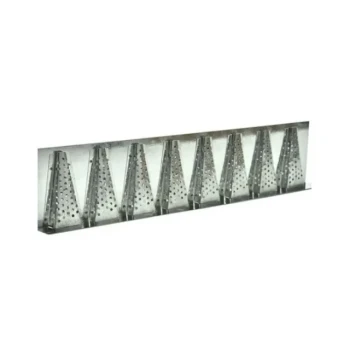
8-Cone Galvanized Steel Bee Robber Guard
Item Number: TAR-1

Reusable Wasp Trap Bottle Converter
Item Number: HWT-1
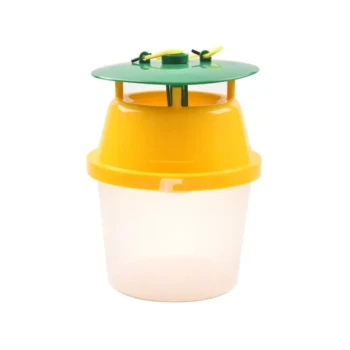
Professional Bucket Style Wasp and Moth Pheromone Trap
Item Number: HWT-2

Gourd Shaped Hanging Wasp Trap Professional Wasp Catcher
Item Number: HWT-3

Professional Multi-Component Bucket Wasp Trap
Item Number: HWT-4
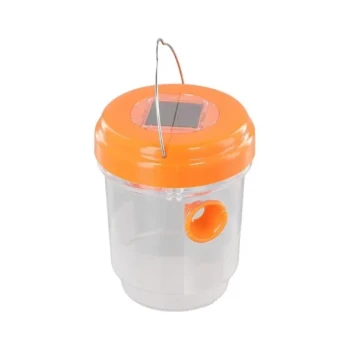
Solar Powered LED Wasp Trap
Item Number: HWT-6



Portable Electric Bee Vacuum with Lithium Battery and 20L Collection Bucket
Item Number: SCB-3
Edit This Page
REQUEST A QUOTE
Our professional team will reply to you within one business day. Please feel free to contact us!
Related Articles
How Styrofoam Beehives Transform Overwintering Success: Science & Practical Insights
Discover how Styrofoam beehives improve winter survival rates with superior insulation, reducing honey consumption and condensation risks.
Flow Hive vs. Langstroth: Choosing the Right Hive for Your Beekeeping Goals
Compare Flow Hive vs. Langstroth beehives: efficiency, cost, and maintenance differences to choose the best system for your beekeeping goals.
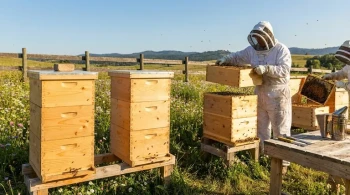
How to Choose Langstroth Hive Box Sizes for Ergonomics, Efficiency, and Bee Health
Learn how to choose Langstroth hive box sizes for ergonomics, efficiency, and bee health. Compare deep, medium, and shallow boxes for optimal beekeeping.

How Top Bar Hives Naturally Boost Bee Health and Simplify Beekeeping
Top bar hives promote natural bee health with comb freedom, thermal efficiency & sustainable harvesting. Ideal for low-maintenance backyard beekeeping.
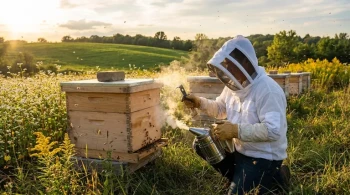
How to Choose Beekeeping Tools: A Practical Guide for Every Budget and Climate
Learn how to choose the best beekeeping tools for your budget and climate, from protective gear to hive management essentials.
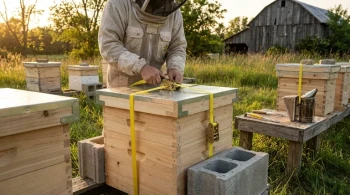
How to Strengthen Langstroth Hive Roofs Against Storms Without Compromising Functionality
Learn how to reinforce Langstroth hive roofs for storm protection while maintaining ventilation and moisture control for colony health.
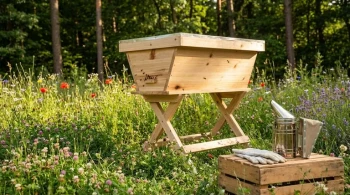
How Top Bar Hives Simplify Natural Beekeeping for Hobbyists
Top bar hives simplify natural beekeeping for hobbyists with cost-efficiency, healthier colonies, and low-maintenance care.
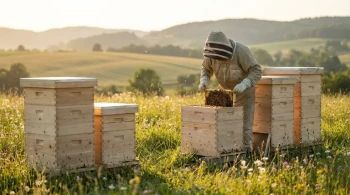
How Langstroth Hives Solve Universal Beekeeping Challenges Through Smart Design
Discover how Langstroth hives' smart design solves beekeeping challenges with standardized, adaptable components for urban and commercial beekeepers.
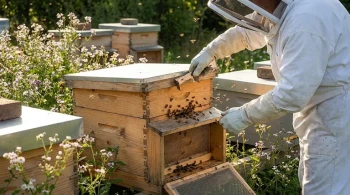
How to Optimize Beehive Ventilation: Prevent Disease and Boost Colony Health
Learn science-backed beehive ventilation strategies to prevent disease, boost colony health, and optimize honey production in all seasons.
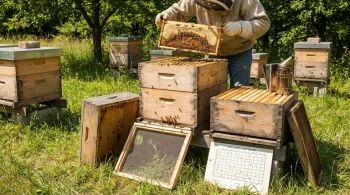
How the Langstroth Hive Solves Modern Beekeeping’s Biggest Challenges
Discover how the Langstroth hive tackles modern beekeeping challenges with pest control, efficiency, and high honey yields.
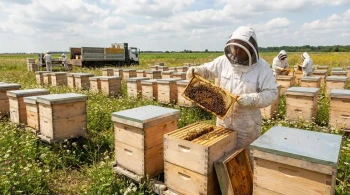
How Langstroth Hives Outperform Other Designs for Commercial Honey Production
Langstroth hives boost commercial honey yields by 40–100% with modular frames, swarm control, and efficient harvesting. Ideal for high-volume beekeeping.
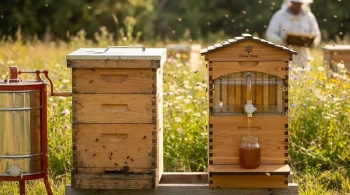
Flow Hive vs. Langstroth: When Does the Premium Price Deliver Real Savings?
Flow Hive vs. Langstroth: Cost analysis reveals when premium beekeeping systems deliver savings for hobbyists vs. commercial operations.
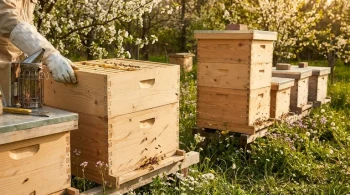
How to Expand Your Beehives in Spring Without Triggering Swarms
Learn how to expand beehives in spring using 8-frame systems to prevent swarming and boost honey production with sustainable hive management.
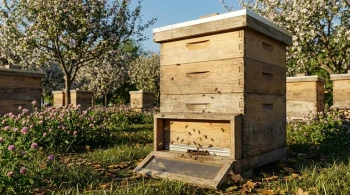
How Langstroth Hive Design Optimizes Bee Colony Growth and Honey Production
Learn how Langstroth hive design boosts bee colony growth, prevents swarming, and maximizes honey production through modular scalability.
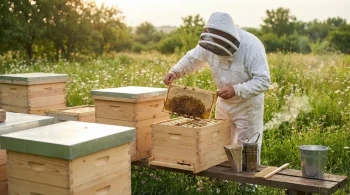
Bee-Friendly Honey Harvesting: Maximizing Yield While Safeguarding Your Langstroth Hive
Learn bee-friendly honey harvesting techniques for Langstroth hives—maximize yield while safeguarding colony health with expert-approved methods.
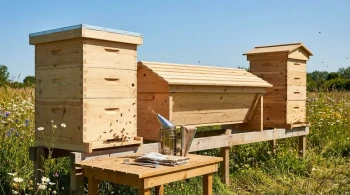
How to Choose the Right Beehive: A Practical Guide for Every Beekeeper
Learn how to choose the right beehive—Langstroth, Top Bar, or Warre—based on your environment, goals, and budget for thriving beekeeping.
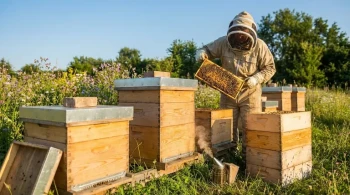
Mastering Seasonal Langstroth Hive Management: Timelines, Techniques, and Troubleshooting
Optimize Langstroth hive productivity year-round with seasonal management tips for brood boxes, honey supers, and swarm prevention.
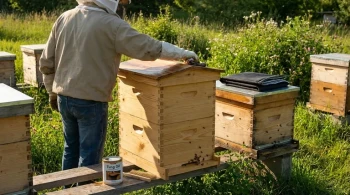
How to Protect Hive Roofs Sustainably: Tung Oil Techniques and Maintenance Strategies
Learn sustainable hive roof protection using tung oil—non-toxic, durable, and bee-safe. Tips for installation, maintenance, and warping prevention.
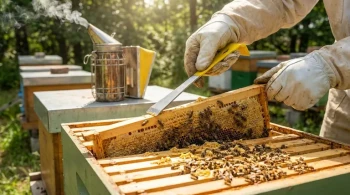
The Beekeeper’s Guide to Hive Tools: How to Choose and Use Them for Efficient Apiary Management
Learn how to choose and use hive tools for efficient beekeeping. Discover material, design, and maintenance tips for smooth apiary management.
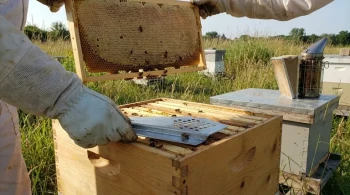
How to Clear Honey Supers Humanely: Reliable Methods & Troubleshooting
Learn humane methods to clear honey supers without stressing bees, including bee escapes, fume boards, and troubleshooting tips for stubborn colonies.