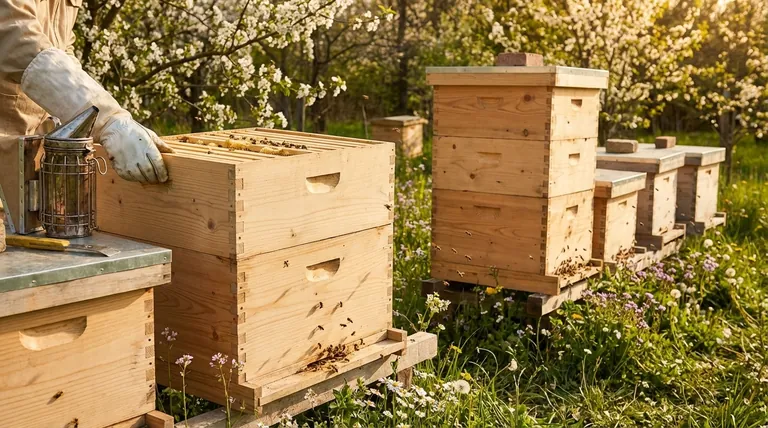
Spring marks a critical period for beekeepers aiming to expand their colonies sustainably. Proper hive management during this season prevents swarming, maintains colony health, and sets the foundation for robust honey production. This guide outlines a systematic approach to spring hive expansion, tailored for beekeepers using 8-frame systems—a configuration proven to align with bees' natural instincts while mitigating overcrowding risks.
Spring Hive Management Fundamentals
Preparing Your 8-Frame Hive for Initial Installation
Begin by ensuring your hive components are clean and pest-free. Research shows that bees thrive in environments mimicking their natural habitats—tall, narrow spaces that facilitate efficient clustering. The 8-frame design excels here, offering:
- Optimal insulation: The compact structure helps maintain warmth during cooler spring nights.
- Easier honey access: Bees expend less energy moving vertically within the frame layout.
Pro Tip: Before introducing bees, place the hive in a location with morning sun and afternoon shade to regulate internal temperatures.
Assessing Hive Capacity: Key Visual and Behavioral Indicators
Overcrowding is a primary swarm trigger. Monitor these signs weekly:
- Frame occupancy: If 70–80% of frames contain brood, honey, or pollen, it’s time to expand.
- Bee traffic: Congestion at the entrance during peak foraging hours suggests space constraints.
- Queen cell presence: These signal impending swarms; act immediately by adding space or splitting the colony.
Did you know? Bees in 8-frame hives tend to fill frames more uniformly before moving upward, reducing the risk of neglected comb areas common in larger systems.
Strategic Timing for Adding Secondary and Tertiary Boxes
Timing expansions wrong can stress the colony. Follow this phased approach:
- First expansion: Add a honey super when the brood box reaches 80% capacity (typically 2–3 weeks after spring’s first nectar flow).
- Subsequent expansions: Introduce additional supers every 10–14 days, ensuring bees have room to store nectar without disrupting brood rearing.
Why this works: Gradual expansion mirrors natural colony growth patterns, minimizing disruption to the bees’ routine.
Advanced Seasonal Management Techniques
Mitigating Overcrowding Risks During Rapid Brood Expansion
Spring’s brood explosion demands proactive space management:
- Checkerboarding: Alternate drawn comb with empty frames in supers to encourage even expansion.
- Brood box reversals: Swap the positions of brood boxes in multi-box systems to balance brood rearing and honey storage.
Key insight: Unlike 10-frame hives, 8-frame systems require more frequent but smaller adjustments due to their compact layout—aligning with bees’ preference for tight, manageable spaces.
Long-Term Monitoring Adjustments for Multi-Box Systems
For apiaries scaling to 3+ boxes, adopt these practices:
- Weekly inspections: Check for pests, frame damage, and moisture buildup (a leading cause of fungal infections).
- Hive stand maintenance: Keep the area weed-free and dry to deter Small Hive Beetles.
- Honey super rotation: Move full supers to the top, ensuring bees prioritize filling upper boxes first.
Remember: Bees in well-maintained 8-frame systems exhibit stronger winter survival rates, as the cluster can efficiently access stored honey.
Ready to equip your apiary with hive solutions designed for sustainable growth? HONESTBEE supplies commercial beekeepers and distributors with durable, bee-friendly equipment—from insulated 8-frame boxes to precision tools that simplify seasonal management. Explore our wholesale-focused catalog today and build colonies that thrive in every season.
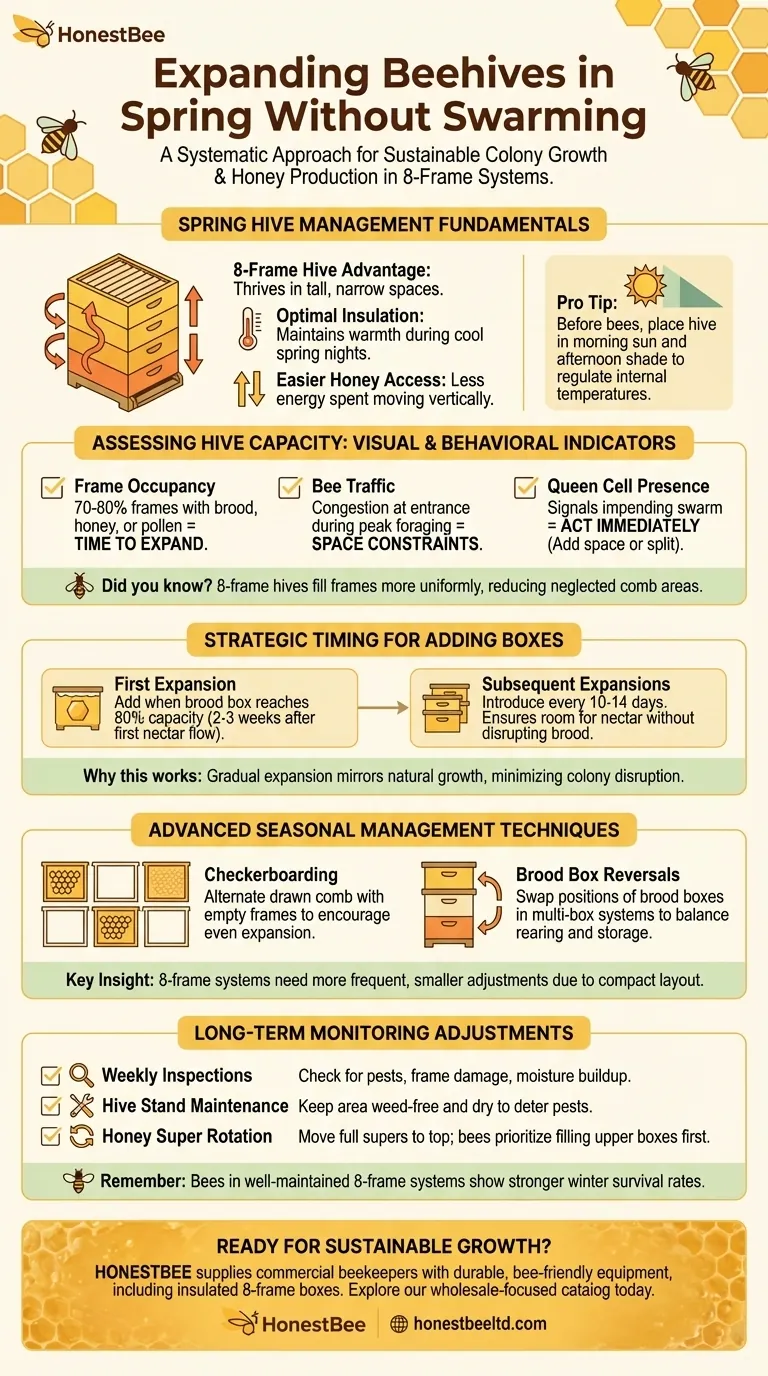
Visual Guide
Related Products
- Rapid Bee Feeder White Plastic 2L Round Top Feeder for 8 or 10-Frame Bee Hives
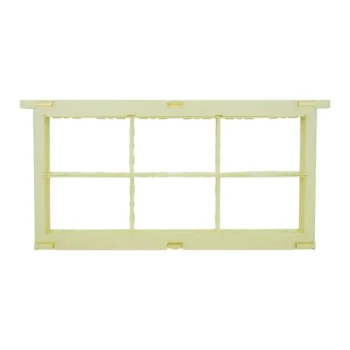
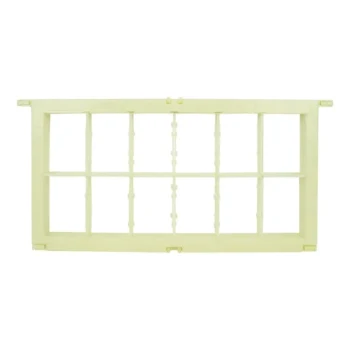
- Professional 500g Sectional Comb Honey Frame System for Beekeeping
- In-Hive Dual Compartment Frame Bee Feeder for Targeted Colony Nutrition
- Wooden Bee Hive Frames for Beekeeping and Wholesale
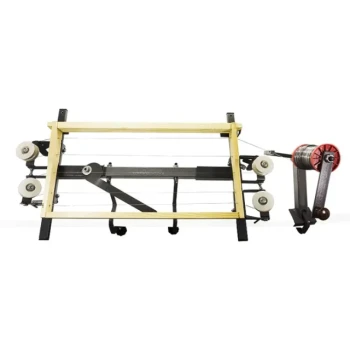
- Professional Bee Frame Wiring Tool with Integrated Tensioning System by HONESTBEE
Related Articles
- How to Choose Between Frame and Gravity Feeders for Healthy Honey Bee Colonies
- How to Choose the Right Bee Feeder for Your Hive’s Health and Efficiency
- Design, Drowning, and the Deceptively Simple Bee Feeder
- The Weight of Winter: A Systems Approach to Pre-Season Bee Feeding
- Beyond the Jar: The Hidden Engineering of Bee Feeder Safety