Toggle Categories
Get Instant Support
Choose your preferred way to connect with our team
-
Get Free Quote Fill out form for detailed pricing
-
Send Email Detailed inquiry support
-
WhatsApp Quick mobile chat
Response Time
Within 8 hours on working days, 24 hours on holidays









Protective Gear
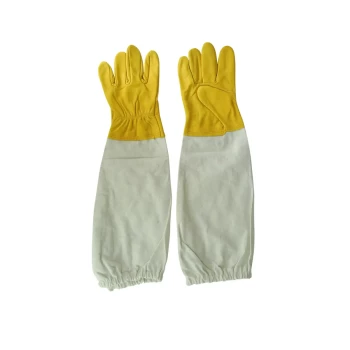
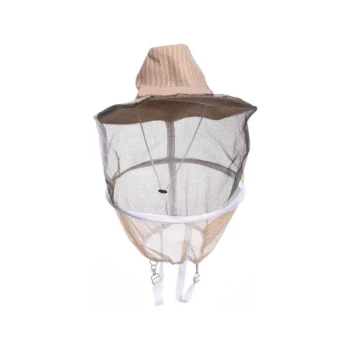










Beeswax Processing Equipment




Pollen & Propolis & Royal Jelly Processing
Hive & Frame Making Machines
Products
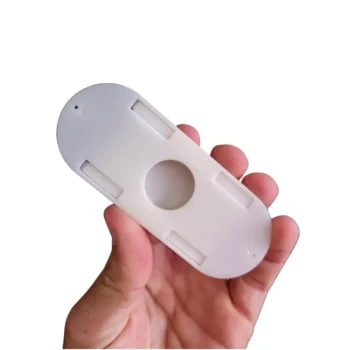
Professional Durable Two-Piece Plastic Bee Escape
Item Number: BE-2

Professional Cone Style Bee Escape for Efficient Honey Harvesting
Item Number: BE-3
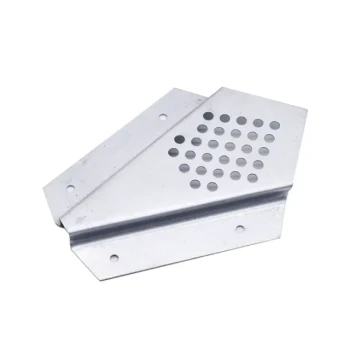
Heavy Duty Metal Corner Bee Escape for Reliable Hive Clearing
Item Number: BE-4

High-Efficiency Diamond Maze Bee Escape for Clearing Supers
Item Number: BE-5
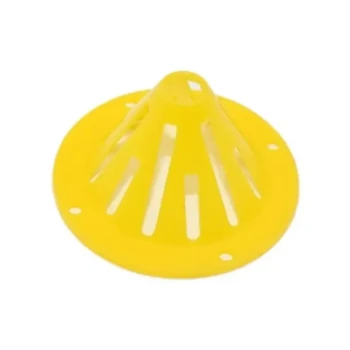
Slatted Porter Style Bee Escape for Rapid Hive Clearing
Item Number: BE-6
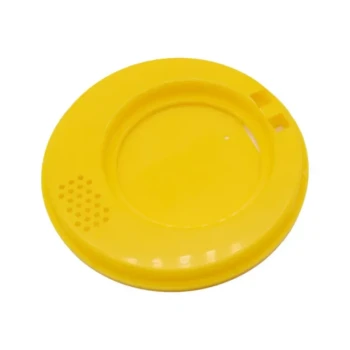
Circular Labyrinth Bee Escape for Efficient Hive Management
Item Number: BE-7
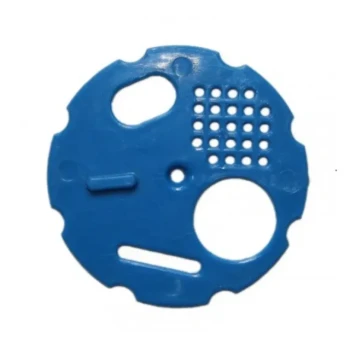
Multi-Functional Rotary Hive Entrance Disc for Beekeeping
Item Number: E-8

Durable Plastic Hive Number Set for Beekeeping
Item Number: BHN-1

Professional Large-Format Hive Number Set for Beekeeping
Item Number: BHN-3
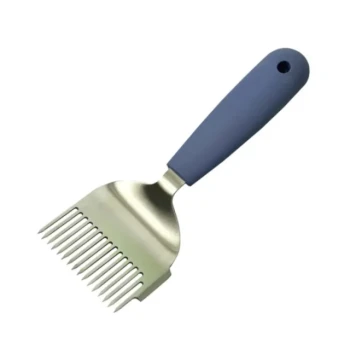
Professional Multi-Function Uncapping Fork with Ergonomic Rubber Grip
Item Number: UCF-6
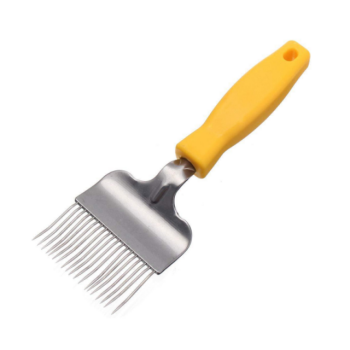
Professional Bent Tine Honey Uncapping Fork with Ergonomic Grip
Item Number: UCF-7
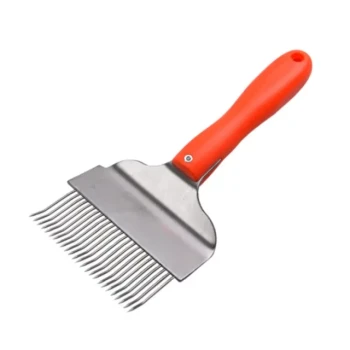
Professional Extra-Wide Uncapping Fork with Bent Tines for Beekeeping
Item Number: UCF-8
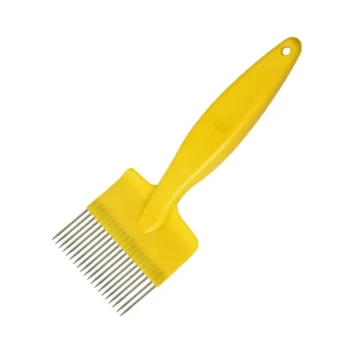
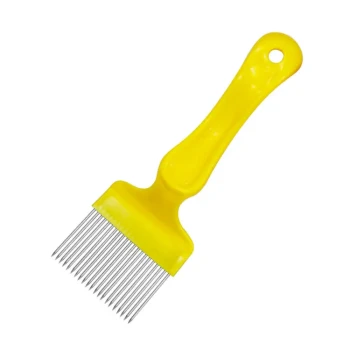
Professional Durable Plastic Handle Honey Uncapping Fork
Item Number: UCF-9
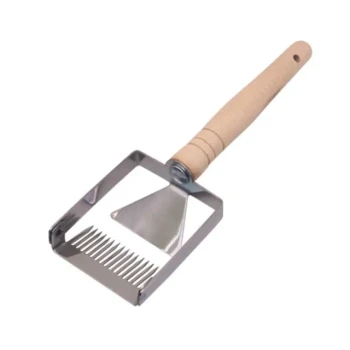
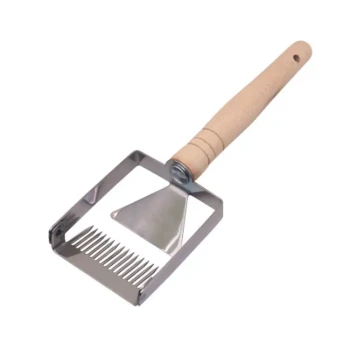
Professional Stainless Steel Uncapping Fork with Wooden Handle
Item Number: UCS-1
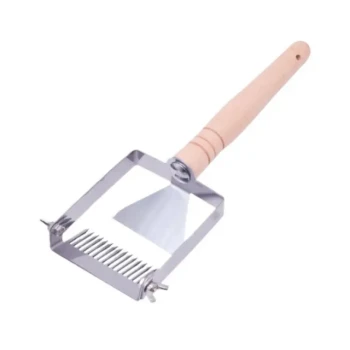
Adjustable Stainless Steel Honey Uncapping Fork with Scraper for Beekeeping
Item Number: UCS-1A
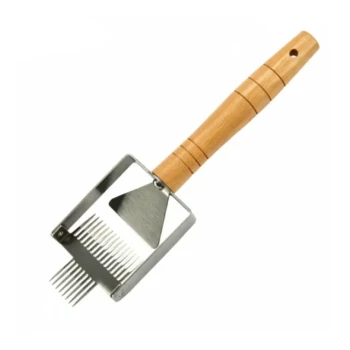
Double-Sided Pivoting Honey Uncapping Fork with Scraper for Beekeeping
Item Number: UCS-1B
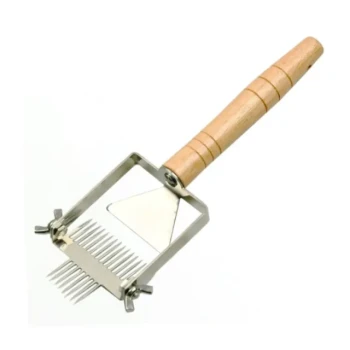
Adjustable Stainless Steel Honey Uncapping Fork with Scraper Beekeeping Tool
Item Number: UCS-1C
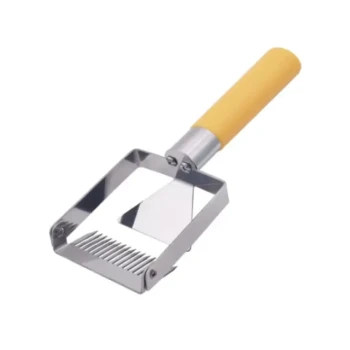
Stainless Steel Pivoting Honey Uncapping Fork with Plastic Handle
Item Number: UCS-2
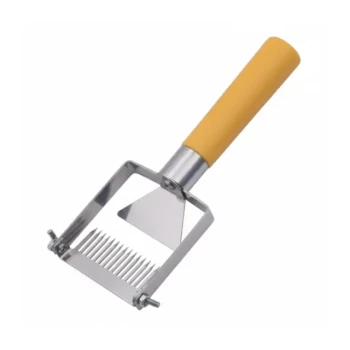
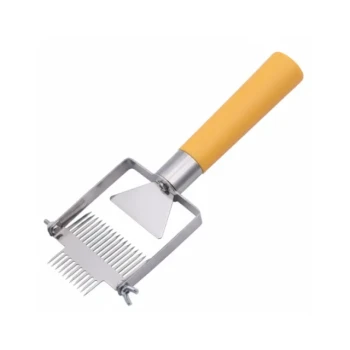
Double Sided Adjustable Honey Uncapping Fork with Plastic Handle
Item Number: UCS-2C
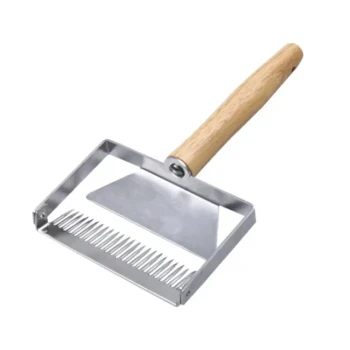
Extra Wide Stainless Steel Honey Uncapping Fork with Scraper Beekeeping Tool
Item Number: UCS-3

Wide Adjustable Stainless Steel Honey Uncapping Fork with Scraper
Item Number: UCS-3A
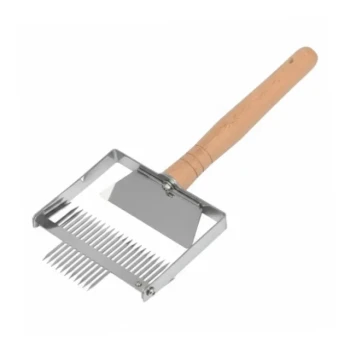
Stainless Steel Double Sided Honey Uncapping Fork with Scraper
Item Number: UCS-3B
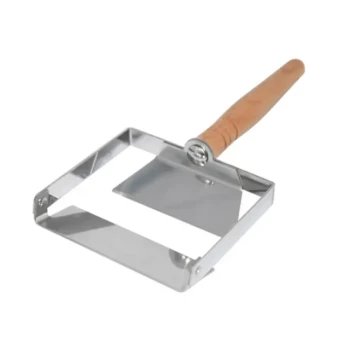
Stainless Steel Dual Blade Uncapping Plane
Item Number: UCS-4

All-Stainless Steel Pivoting Honey Uncapping Fork for Beekeeping
Item Number: UCS-5
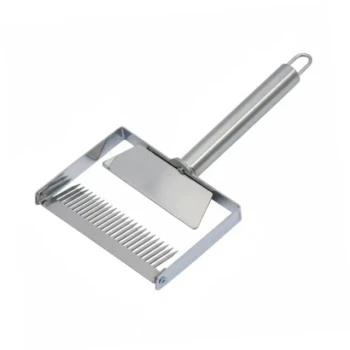
Extra-Wide All-Stainless Steel Honey Uncapping Fork with T-Handle
Item Number: UCS-6

Professional Bee Frame Machine for Side Bar Shaping
Item Number: BFSS-3

Portable Electric Bee Vacuum with Lithium Battery and 20L Collection Bucket
Item Number: SCB-3
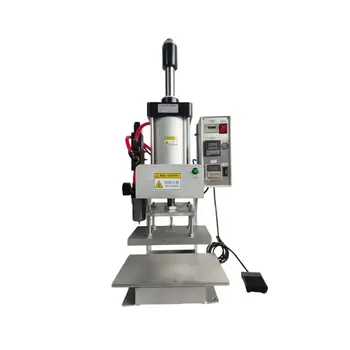
Industrial Pneumatic Hot Stamping Machine for Beehives and Wood Branding
Item Number: BHLM-2
REQUEST A QUOTE
Our professional team will reply to you within one business day. Please feel free to contact us!
Related Articles
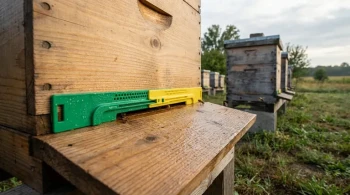
How Entrance Reducers Protect Beehives Through Seasonal Extremes
Learn how entrance reducers protect beehives from winter condensation and spring robbing, optimizing hive health and honey yields year-round.
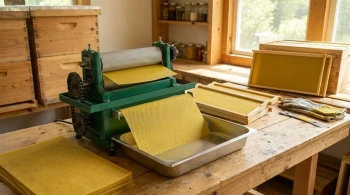
How to Choose the Right Beehive Foundation for Your Beekeeping Goals
Learn how to choose the best beehive foundation for honey yield, sustainability, or cost-efficiency. Compare beeswax, plastic, and hybrid options.
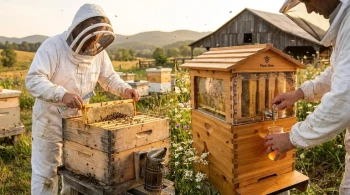
Flow Hive vs. Langstroth: Choosing the Right Hive for Your Beekeeping Goals
Compare Flow Hive vs. Langstroth beehives: efficiency, cost, and maintenance differences to choose the best system for your beekeeping goals.
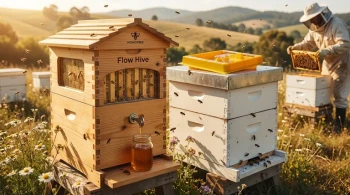
Flow vs. Langstroth Hives: Balancing Bee Welfare, Cost, and Productivity
Compare Flow vs. Langstroth hives for bee welfare, cost, and productivity. Choose the best beekeeping system for your needs.
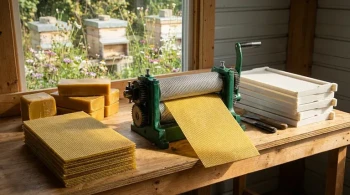
Beeswax vs. Plastic Foundations: Choosing the Sustainable Option for Thriving Apiaries
Compare beeswax vs. plastic hive foundations for colony health, sustainability, and cost efficiency in beekeeping. Make the right choice for your apiary.
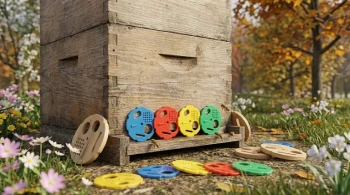
Mastering Entrance Reducers: Seasonal Strategies for Hive Defense and Health
Learn seasonal strategies for using entrance reducers to protect hives from pests, regulate temperature, and improve colony health.
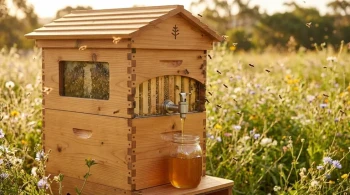
How Flow Hives Revolutionize Honey Harvesting: Saving Time and Protecting Bees
Flow Hives revolutionize honey harvesting with 80% less labor, intact combs, and faster recovery—ideal for commercial beekeepers.
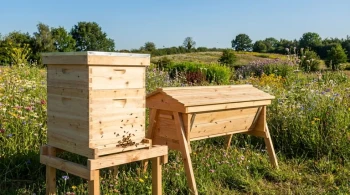
How to Choose Between Langstroth and Top Bar Hives for Your Beekeeping Goals
Compare Langstroth vs. Top Bar beehives for honey production, sustainability & ease of use. Choose the best hive for your beekeeping goals.
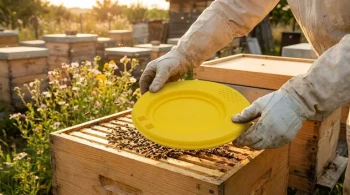
How to Use Escape Boards for Stress-Free Honey Harvesting: A Beekeeper's Guide
Learn how escape boards streamline honey harvesting with 90% bee clearance, protecting colonies and boosting efficiency in modern beekeeping.
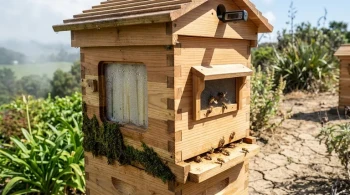
How to Optimize Flow Hive Ventilation for Healthier Colonies in Any Climate
Optimize Flow Hive ventilation for healthier bees in any climate. Learn climate-specific techniques to boost honey production and colony health.
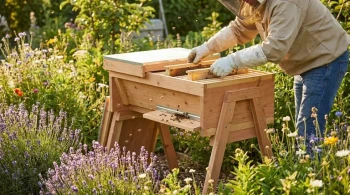
How Top Bar Hives Naturally Boost Bee Health and Simplify Beekeeping
Top bar hives promote natural bee health with comb freedom, thermal efficiency & sustainable harvesting. Ideal for low-maintenance backyard beekeeping.
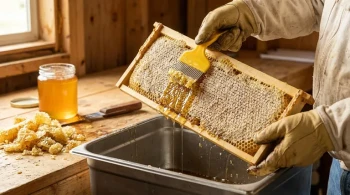
How to Choose and Master Decapping Knives for Optimal Honey Yield
Learn how to choose and use decapping knives for optimal honey yield, comb preservation, and beekeeping efficiency.
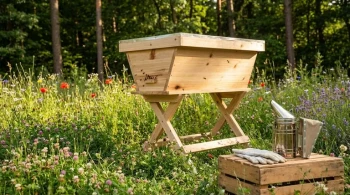
How Top Bar Hives Simplify Natural Beekeeping for Hobbyists
Top bar hives simplify natural beekeeping for hobbyists with cost-efficiency, healthier colonies, and low-maintenance care.
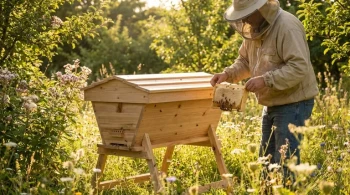
How Top Bar Beehives Naturally Reduce Pest Risks and Simplify Beekeeping
Discover how Top Bar Hives naturally reduce pests, simplify beekeeping, and promote hive health with sustainable, low-maintenance designs.
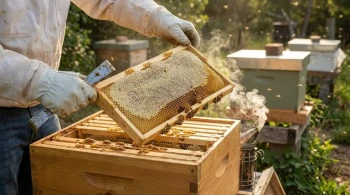
How to Prolong Flow Hive Lifespan: A Beekeeper’s Guide to Smart Frame Maintenance
Learn expert tips to extend your Flow Hive lifespan with smart frame maintenance, seasonal checks, and cost-effective repairs for beekeepers.
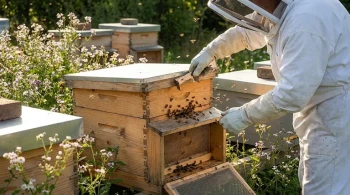
How to Optimize Beehive Ventilation: Prevent Disease and Boost Colony Health
Learn science-backed beehive ventilation strategies to prevent disease, boost colony health, and optimize honey production in all seasons.
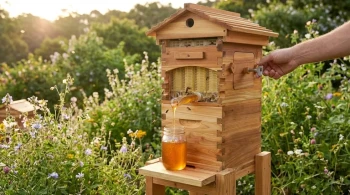
How Flow Hive Simplifies Beekeeping for Beginners: A Guide to Higher Yields with Less Effort
Flow Hive simplifies beekeeping with a bee-friendly, low-effort harvesting system—ideal for beginners to boost yields with minimal effort.
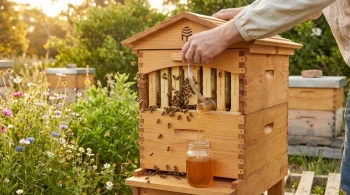
How Flow Hive’s Stress-Reduction Design Preserves Long-Term Hive Health
Flow Hive's stress-reducing design enhances bee health and honey yield. Learn how its non-invasive system benefits modern beekeeping.
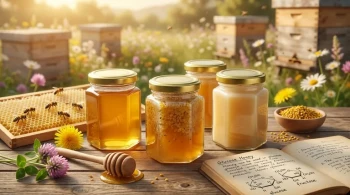
Why Honey Crystallizes Differently—And How to Manage It Naturally
Learn why honey crystallizes differently based on sugar composition and floral source, plus natural storage and decrystallization tips.
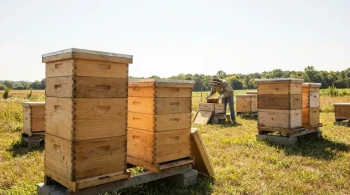
Strategic Super Sizing: How Beekeepers Optimize Hive Management
Learn how beekeepers optimize hive productivity with strategic super sizing—deep, medium, and shallow supers for brood, honey storage, and ergonomics.