Toggle Categories
Get Instant Support
Choose your preferred way to connect with our team
-
Get Free Quote Fill out form for detailed pricing
-
Send Email Detailed inquiry support
-
WhatsApp Quick mobile chat
Response Time
Within 8 hours on working days, 24 hours on holidays







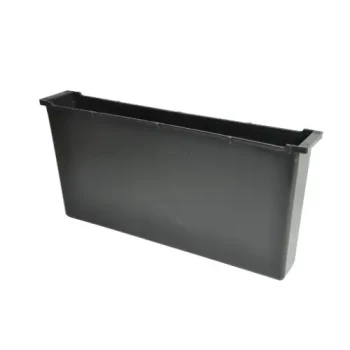
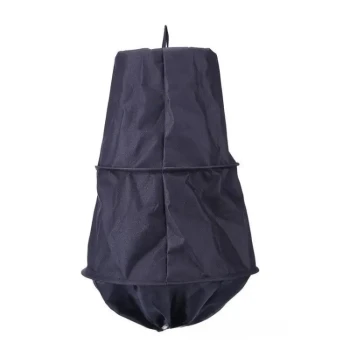
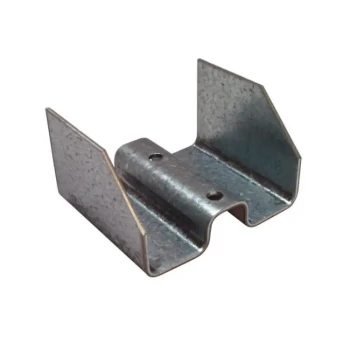


Protective Gear

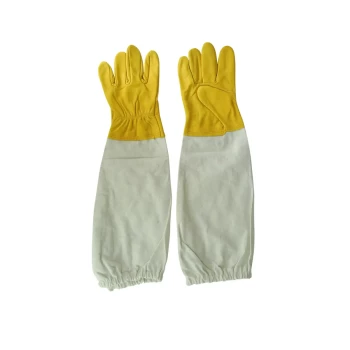
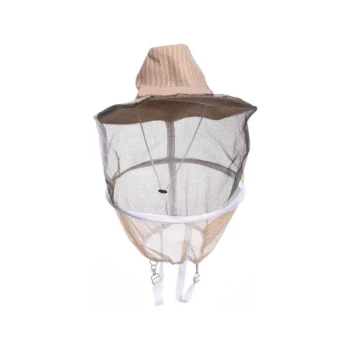
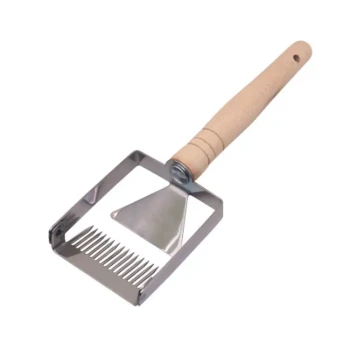


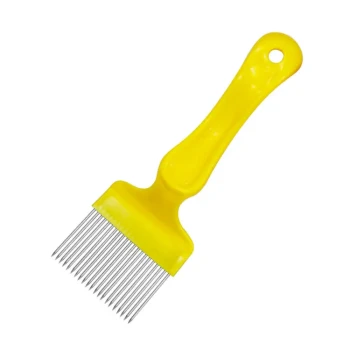
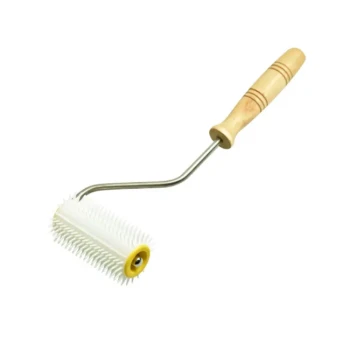









Beeswax Processing Equipment




Pollen & Propolis & Royal Jelly Processing
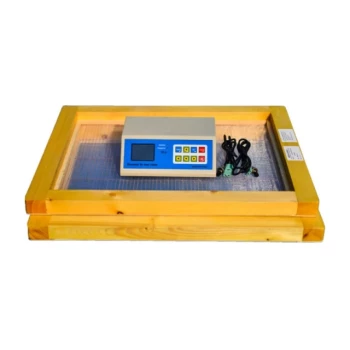
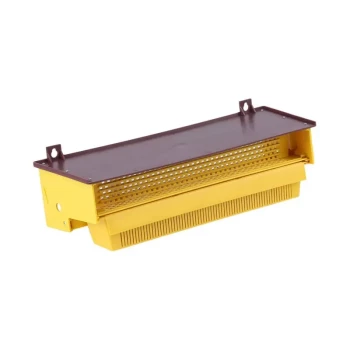
Hive & Frame Making Machines
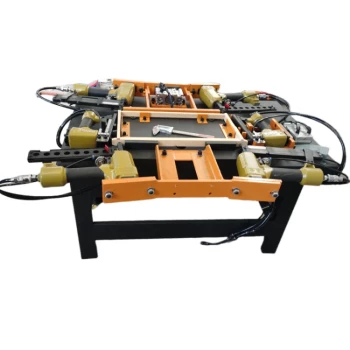
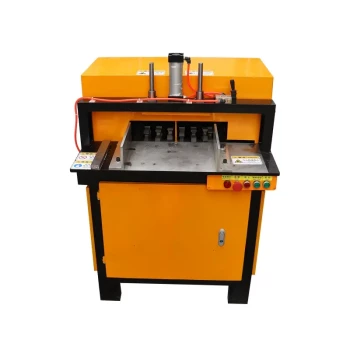

Products

Fully Automatic Beeswax Embossing Machine Foundation Mill
Item Number: WFM-1

Manual Beeswax Comb Foundation Machine Wax Foundation Mill Embossing Machine
Item Number: WFM-2

Manual Beeswax Flat Sheet Machine for Beeswax Processing
Item Number: WFM-3

Economy Manual Beeswax Embossing Mill Wax Foundation Machine Roller
Item Number: WFM-4


Electric Beeswax Flat Sheet Machine with Operating Tray for Wax Processing
Item Number: WFM-6

Electric Flatting and Embossing Machine with Tray for Beekeeping
Item Number: WFM-7

Australian Langstroth Beehive Boxes for Beekeeping Wholesales
Item Number: LBH-2

Wholesales Dadant Size Wooden Bee Hives for Beekeeping
Item Number: LBH-3
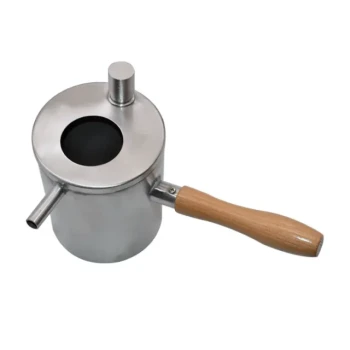
Professional Stainless Steel Wax Melter for Beekeeping and Crafts
Item Number: BWM-5
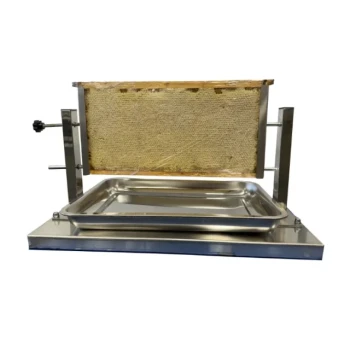
Professional Adjustable Stainless Steel Honeycomb Display Stand
Item Number: HCS-1
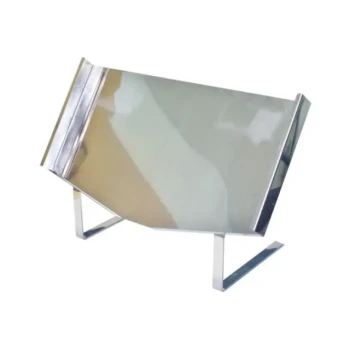
Minimalist Stainless Steel Honeycomb Display Stand
Item Number: HCS-2
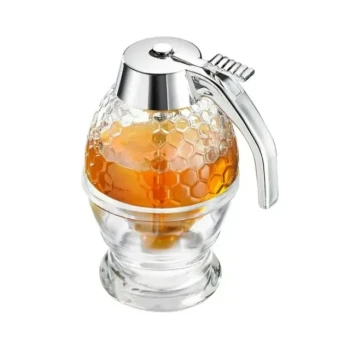
Honeycomb Style Drip Free Honey Dispenser
Item Number: AHS-1
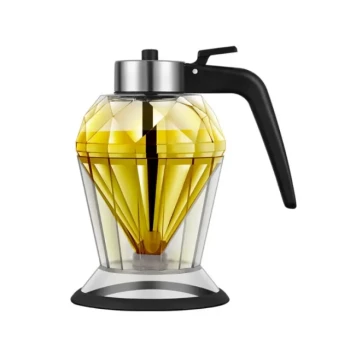
Premium Diamond-Faceted Glass Honey Dispenser
Item Number: AHS-2
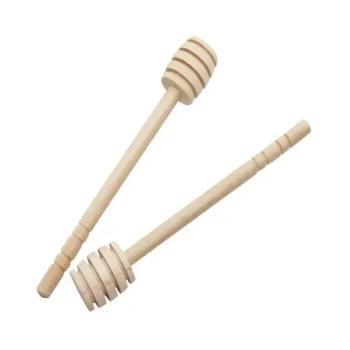
Natural Wood Honey Dipper for Tea Coffee and Desserts
Item Number: HB-2
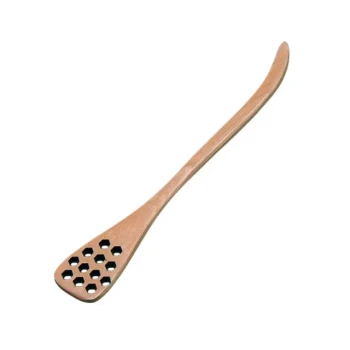
Modern Honeycomb Pattern Wooden Honey Dipper for Stirring and Drizzling
Item Number: HB-3
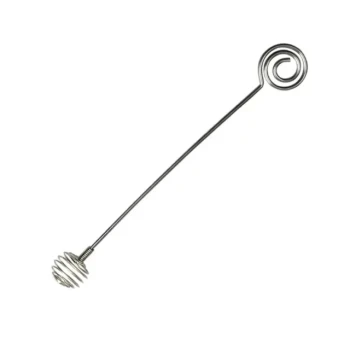
Modern Stainless Steel Honey Dipper Stirrer
Item Number: HB-4
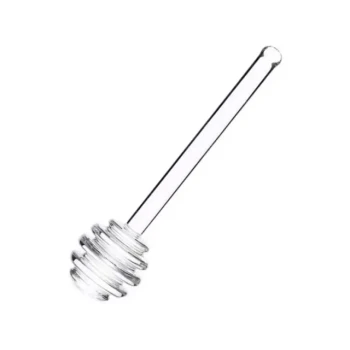
Premium Heat-Resistant Glass Honey Dipper
Item Number: HB-5

Heavy Duty 304 Stainless Steel Honey Dipper
Item Number: HB-6

Professional Plastic Honey Dipper for Easy Honey Drizzling
Item Number: HB-7

Adjustable Formic and Acetic Acid Dispenser for Bee Mite Treatment
Item Number: MDV-1

Compact Circular Bee Mite Treatment Dispenser
Item Number: MDV-2
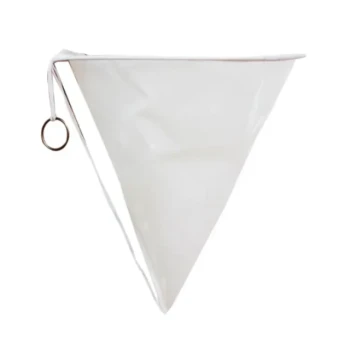
Professional Cone-Shaped Honey Filter with Reinforced Steel Ring
Item Number: HS-3R

Professional Honey Filter with Tripod Support Stand
Item Number: HS-3S

Heavy Duty Stainless Steel Honey Processing Machine Decrystallizing Tank
Item Number: HM-3
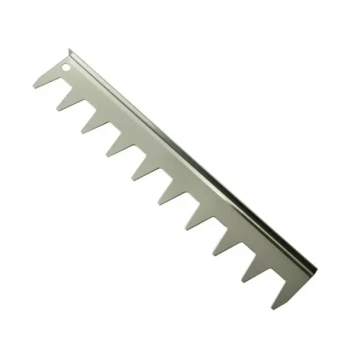

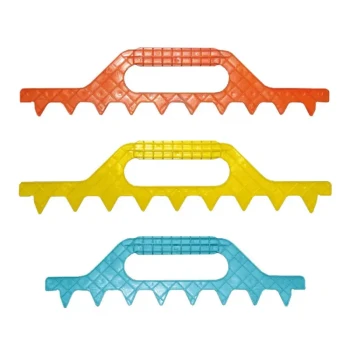
Durable Plastic Frame Spacer
Item Number: FS-3

Ergonomic Plastic Frame Spacer Tool for Rapid Hive Management Beekeeping
Item Number: FS-8

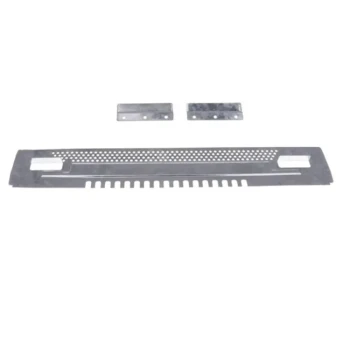
Multi-Functional Sliding Hive Entrance for Beekeeping
Item Number: E-7

Professional Reversible Beehive Hive Entrance
Item Number: E-9
REQUEST A QUOTE
Our professional team will reply to you within one business day. Please feel free to contact us!
Related Articles
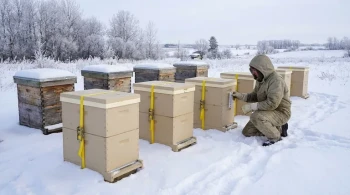
How Styrofoam Beehives Transform Overwintering Success: Science & Practical Insights
Discover how Styrofoam beehives improve winter survival rates with superior insulation, reducing honey consumption and condensation risks.
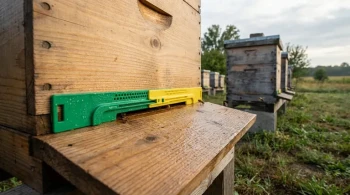
How Entrance Reducers Protect Beehives Through Seasonal Extremes
Learn how entrance reducers protect beehives from winter condensation and spring robbing, optimizing hive health and honey yields year-round.
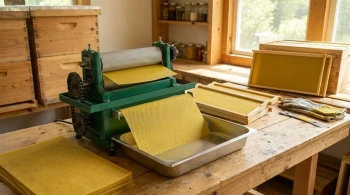
How to Choose the Right Beehive Foundation for Your Beekeeping Goals
Learn how to choose the best beehive foundation for honey yield, sustainability, or cost-efficiency. Compare beeswax, plastic, and hybrid options.
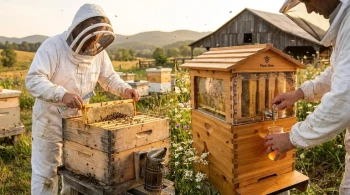
Flow Hive vs. Langstroth: Choosing the Right Hive for Your Beekeeping Goals
Compare Flow Hive vs. Langstroth beehives: efficiency, cost, and maintenance differences to choose the best system for your beekeeping goals.
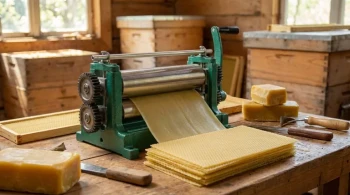
How Manual Tablet Presses Boost Hive Productivity with Pure Beeswax Sheets
Discover how manual tablet presses enhance hive productivity with pure beeswax sheets, boosting honey yield and colony health sustainably.
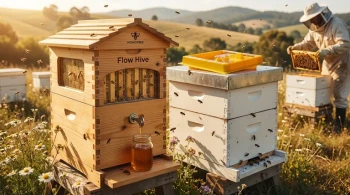
Flow vs. Langstroth Hives: Balancing Bee Welfare, Cost, and Productivity
Compare Flow vs. Langstroth hives for bee welfare, cost, and productivity. Choose the best beekeeping system for your needs.
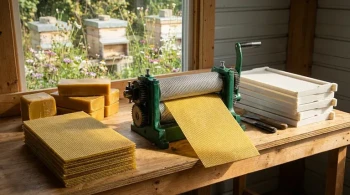
Beeswax vs. Plastic Foundations: Choosing the Sustainable Option for Thriving Apiaries
Compare beeswax vs. plastic hive foundations for colony health, sustainability, and cost efficiency in beekeeping. Make the right choice for your apiary.
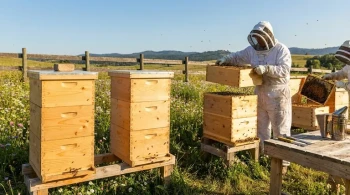
How to Choose Langstroth Hive Box Sizes for Ergonomics, Efficiency, and Bee Health
Learn how to choose Langstroth hive box sizes for ergonomics, efficiency, and bee health. Compare deep, medium, and shallow boxes for optimal beekeeping.
Mastering Entrance Reducers: Seasonal Strategies for Hive Defense and Health
Learn seasonal strategies for using entrance reducers to protect hives from pests, regulate temperature, and improve colony health.
How Flow Hives Revolutionize Honey Harvesting: Saving Time and Protecting Bees
Flow Hives revolutionize honey harvesting with 80% less labor, intact combs, and faster recovery—ideal for commercial beekeepers.
How to Choose Between Langstroth and Top Bar Hives for Your Beekeeping Goals
Compare Langstroth vs. Top Bar beehives for honey production, sustainability & ease of use. Choose the best hive for your beekeeping goals.
How to Optimize Flow Hive Ventilation for Healthier Colonies in Any Climate
Optimize Flow Hive ventilation for healthier bees in any climate. Learn climate-specific techniques to boost honey production and colony health.
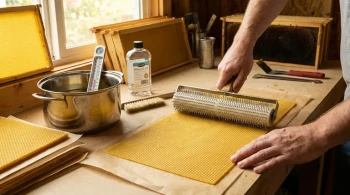
How to Craft Durable Wax Foundations Using Manual Rollers: A Beekeeper's Guide
Learn expert techniques for crafting durable wax foundations using manual rollers—temperature control, rolling best practices, and troubleshooting tips for beekeepers.
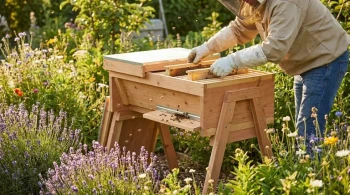
How Top Bar Hives Naturally Boost Bee Health and Simplify Beekeeping
Top bar hives promote natural bee health with comb freedom, thermal efficiency & sustainable harvesting. Ideal for low-maintenance backyard beekeeping.
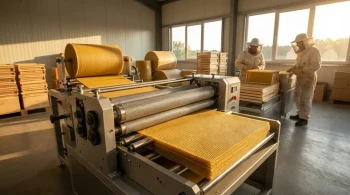
How Fully Automatic Wax Foundation Machines Cut Beekeeping Costs by 40%
Fully automatic wax foundation machines cut beekeeping costs by 40%—reducing labor, energy use, and waste while boosting productivity.
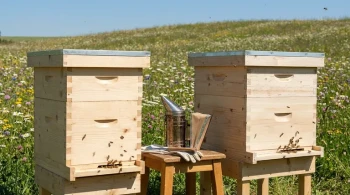
How to Choose Between 8-Frame and 10-Frame Langstroth Boxes for Optimal Beekeeping
Compare 8-frame vs. 10-frame Langstroth boxes for beekeeping: weight, yield, and urban vs. commercial needs. Optimize your hive setup.
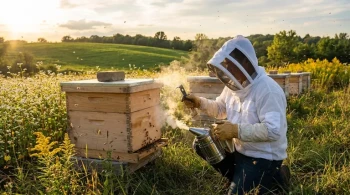
How to Choose Beekeeping Tools: A Practical Guide for Every Budget and Climate
Learn how to choose the best beekeeping tools for your budget and climate, from protective gear to hive management essentials.
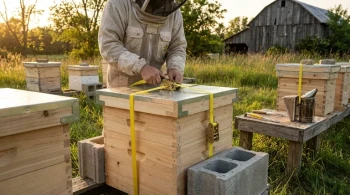
How to Strengthen Langstroth Hive Roofs Against Storms Without Compromising Functionality
Learn how to reinforce Langstroth hive roofs for storm protection while maintaining ventilation and moisture control for colony health.
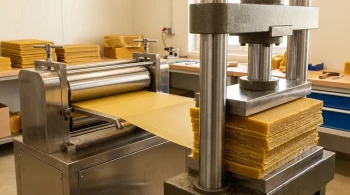
How to Choose Between Roller and Press Systems for Perfect Beeswax Sheets
Compare roller vs. press systems for beeswax sheets—ideal for candle making or cosmetics. Learn speed, cost & quality trade-offs for commercial production.
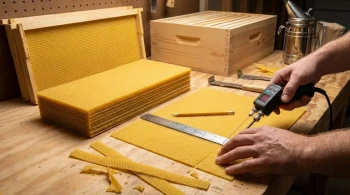
How to Cut Beeswax Foundations for Perfect Hive Compatibility Every Time
Learn professional techniques for cutting beeswax foundations to ensure hive compatibility, prevent warping, and boost colony productivity.