The Moment of Frustration
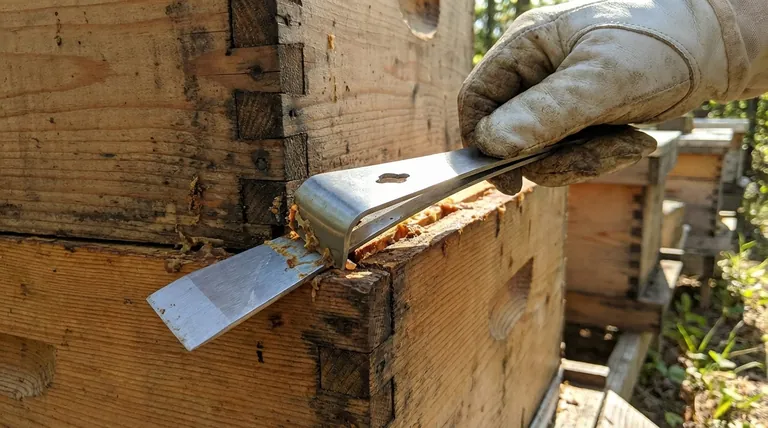
It’s a hot afternoon. The air is thick with the scent of honey and the low hum of thousands of bees. You need to inspect the lower brood box, but the upper super is sealed shut with a stubborn, concrete-like layer of propolis.
You insert your standard hive tool into the seam and pry. Nothing. You reposition and apply more force. The metal groans slightly, but the box remains fused. Sweat drips down your face. This simple, repetitive task has suddenly become a battle of will against physics.
This moment of frustration isn't a personal failing. It’s a systemic problem born from a mismatch between your tool, the task, and the laws of leverage. The hive tool, perhaps the most basic instrument in beekeeping, is a profound piece of engineering where a single inch can mean the difference between seamless work and exhausting effort.
The Standard Compromise
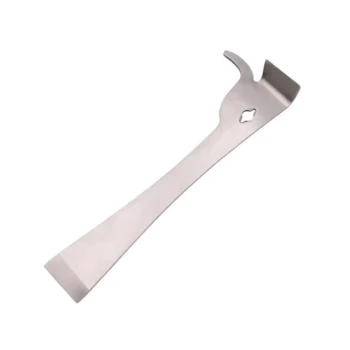
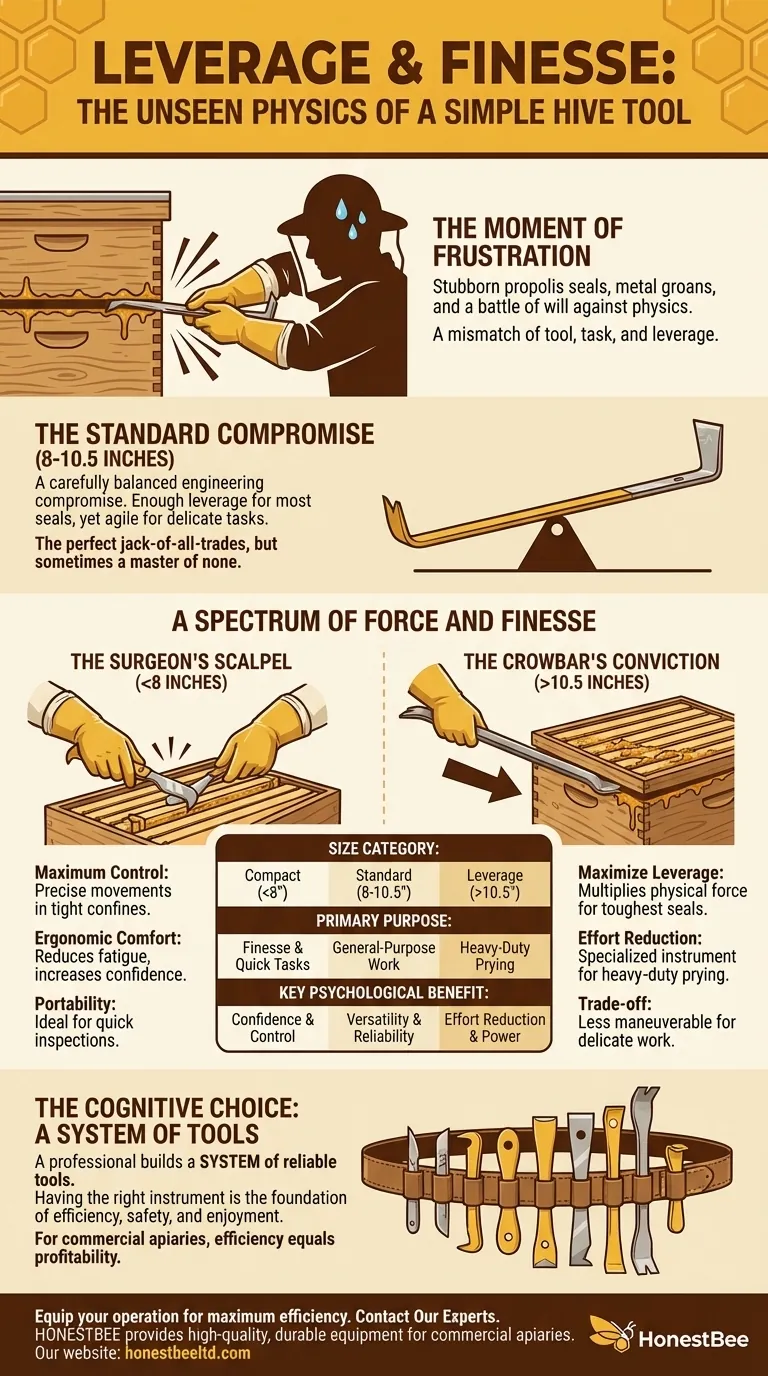
Most beekeepers own a standard hive tool, typically between 8 to 10.5 inches long. This isn’t an arbitrary size; it's a carefully balanced engineering compromise.
This length provides enough leverage to break the propolis seals on most frames and boxes without feeling clumsy. It’s long enough to be a lever but short enough to be a scalpel, allowing for delicate tasks like scraping excess wax or navigating between frames.
For many situations, it is the perfect jack-of-all-trades. But as any professional knows, a master of none is sometimes not enough.
A Spectrum of Force and Finesse
The limitations of the standard tool reveal themselves at the extremes of beekeeping work. This has led to the development of specialized tools on either side of the standard length.
The Surgeon's Scalpel: The Compact Tool (<8 inches)
Shorter tools, some as small as 6 inches, sacrifice leverage for unparalleled control. Holding one feels less like holding a pry bar and more like a surgical instrument.
- Maximum Control: They excel at fine, precise movements within the tight confines of a bustling hive.
- Ergonomic Comfort: For beekeepers with smaller hands, a compact tool isn’t just a convenience; it’s a necessity for reducing fatigue and increasing confidence. It fits the hand, becoming a natural extension of your intent.
- Portability: Its ability to slip into a pocket makes it ideal for quick, rapid inspections where you don't need the power of a larger tool.
The Crowbar's Conviction: The Leverage Tool (>10.5 inches)
When you face a hive body glued down with a winter's worth of propolis, finesse is secondary to persuasion. This is where longer tools, extending up to 15 inches, become essential.
Their purpose is singular: to maximize leverage. By increasing the distance from the fulcrum, a longer tool multiplies your physical force, allowing you to break the toughest seals with minimal effort. This is pure, applied physics.
The trade-off, of course, is maneuverability. A 14-inch tool is unwieldy for delicate work. It’s not a scalpel; it’s a specialized instrument of force, designed for one difficult job.
The Cognitive Choice: A System of Tools
Choosing a hive tool isn't just a physical consideration; it's a cognitive one. The right tool reduces the mental load of your work, freeing you to focus on the health of the colony.
The decision is a constant balancing act.
| Size Category | Length Range | Primary Purpose | Key Psychological Benefit |
|---|---|---|---|
| Compact | Under 8 inches | Finesse and quick tasks | Confidence and control |
| Standard | 8 to 10.5 inches | General-purpose work | Versatility and reliability |
| Leverage | Over 10.5 inches | Heavy-duty prying | Effort reduction and power |
A professional doesn't rely on a single, universal solution. Instead, they build a system of reliable tools. They understand that having the right instrument for the job isn't a luxury; it's the foundation of efficiency, safety, and enjoyment. You don't bring just a hammer to build a house.
For a commercial apiary, where this process is repeated hundreds of times, that efficiency isn't just about comfort—it's about profitability. The right set of tools minimizes wasted energy and maximizes the number of hives that can be managed effectively in a day.
At HONESTBEE, we understand that professional beekeeping is a function of high-quality, durable equipment. Our wholesale operations are dedicated to supplying commercial apiaries and distributors with the tools designed for the demanding realities of beekeeping at scale. We provide the reliable components for your system of work.
If you’re ready to equip your operation for maximum efficiency, we can help you build the right toolkit. Contact Our Experts
Visual Guide
Related Products
- Professional Multi-Function Stainless Steel Hive Tool
- Professional Stainless Steel Pry-Bar Hive Tool
- HONESTBEE Professional Long Handled Hive Tool with Precision Cutting Blade
- HONESTBEE Premium Italian Style Hive Tool with Hardwood Handle
- Ergonomic Plastic Frame Spacer Tool for Rapid Hive Management Beekeeping
Related Articles
- The Physics of Flow: How a Single Hive Tool Redefines the Beekeeper's Workflow
- The Essential Guide to Hive Tools in Modern Beekeeping
- The Beekeeper's Scalpel: How a Simple Hive Tool Governs Apiary Health
- How to Choose Hive Tools That Match Your Beekeeping Workflow
- The Apiary as a System: Why Your Hive Tool is More Than Just Steel