The adoption of medium-sized improved beehives provides a distinct operational advantage by fundamentally restructuring the colony's environment. By moving away from traditional structures, producers can leverage optimized internal spacing and standardized management practices to drastically increase output. The data is definitive: these hives achieve an average seasonal yield of 15.5 kg, nearly tripling the 5.3 kg average typical of traditional beehives.
Core Takeaway The shift to medium-sized improved beehives is not merely an equipment upgrade; it is a transition from passive collection to active management. This approach maximizes honey yield through optimized colony space and enables the economic stability required to incentivize long-term local conservation efforts.
Maximizing Production Efficiency
Optimized Colony Space
The primary technical advantage of the medium-sized improved beehive is the scientific optimization of the living space. Unlike traditional hives, which may constrain colony expansion or waste space, improved designs provide a calculated volume that encourages colony growth.
This structural efficiency allows bees to direct more energy toward honey production rather than hive maintenance or temperature regulation.
The Yield Multiplier
The impact of this optimization is measurable and significant. According to field statistics, the average seasonal honey yield jumps from 5.3 kg in traditional hives to 15.5 kg in improved medium-sized units.
For commercial operations or community projects, this threefold increase in production capacity transforms beekeeping from a subsistence activity into a viable economic engine.
Operational and Management Benefits
Standardized Management
Improved beehives utilize standardized physical designs, often featuring movable frames or bars. This standardization allows beekeepers to inspect the colony, monitor the queen, and assess brood health without destroying the hive structure.
Enhanced Disease and Pest Control
Because the internal structure is accessible, producers can actively monitor for signs of disease or pest infestation. Early detection allows for intervention before a colony collapses, a capability that is virtually impossible with traditional hives often suspended in high-altitude forest areas.
Non-Destructive Harvesting
Traditional harvesting often involves destroying parts of the colony to access honey stores. Improved hives allow for the extraction of honey frames without harming the bees. This ensures the colony remains strong after harvest, allowing for faster recovery and potentially multiple harvests per season.
Economic and Environmental Implications
Strengthening Economic Incentives
The drastic increase in yield translates directly to higher income for local beekeepers. When the economic return on beekeeping is high, it creates a powerful financial motivation for communities to maintain the local flora and conservation efforts that support the bees.
Access to Premium Markets
The ability to harvest cleanly and regularly leads to a higher volume of stable, high-quality supply. This consistency is a prerequisite for entering formal sales channels, such as cooperatives or retail markets, which demand reliability that traditional methods struggle to provide.
Understanding the Trade-offs
While the advantages are clear, shifting to improved hives requires acknowledging certain operational realities to ensure success.
Higher Initial Investment
Improved hives require specialized hardware and construction materials. The upfront cost is significantly higher than utilizing traditional materials like hollowed logs or woven baskets found in the environment.
Management Complexity
The "improved" nature of these hives implies active management. Beekeepers require training to handle frames, inspect for diseases, and manage the colony's space. This is a higher technical barrier than the passive "set and forget" methods of traditional beekeeping.
Environmental Dependencies
While improved hives can offer better protection against cold winds and low temperatures, they may require supporting facilities in extreme climates. In severe cold, ensuring colony survival might necessitate additional resources, such as insulation or even electricity, which adds to operational overhead.
Making the Right Choice for Your Goal
When deciding whether to upgrade to medium-sized improved beehives, consider your primary operational objectives:
- If your primary focus is maximizing revenue: Prioritize improved hives to leverage the nearly 300% increase in yield (15.5 kg vs. 5.3 kg) and access formal retail markets.
- If your primary focus is conservation sustainability: Use improved hives to generate strong economic incentives that motivate local communities to protect the surrounding ecosystem.
Ultimately, the medium-sized improved beehive is the critical hardware link between professional colony management and scalable honey production.
Summary Table:
| Feature | Traditional Beehives | Improved Medium-Sized Beehives |
|---|---|---|
| Average Yield | 5.3 kg per season | 15.5 kg per season (approx. 3x increase) |
| Management | Passive / "Set and Forget" | Active / Standardized (Movable frames) |
| Harvesting | Destructive to colony | Non-destructive (Safe for bees) |
| Pest Control | Difficult / Impossible | Accessible for early detection |
| Upfront Cost | Low (Natural materials) | Higher (Initial hardware investment) |
Scale Your Apiary Operations with HONESTBEE
Transitioning to improved beehive systems is the most effective way to turn subsistence beekeeping into a high-yield commercial operation. At HONESTBEE, we specialize in supporting commercial apiaries and distributors with the high-performance hardware required for success.
Our comprehensive wholesale offering includes:
- Advanced Beehive Systems: Precision-engineered for maximum colony growth and yield.
- Industrial Machinery: Specialized honey-filling and hive-making machines to streamline production.
- Quality Tools & Consumables: A full spectrum of beekeeping essentials and themed cultural merchandise.
Whether you are scaling a professional apiary or stocking a distribution network, our expertise ensures you get the tools needed for peak productivity. Contact HONESTBEE today to discuss your wholesale requirements!
References
- Gorfu B Kumsa T. Beekeeping as Integrated Watershed Conservation and Climatic Change Adaptation: An Action Research in Boredo Watershed. DOI: 10.4172/2157-7617.1000213
This article is also based on technical information from HonestBee Knowledge Base .
Related Products
- Automatic Honey Flow Beehive 4 Frame Mini Hive for Beekeeping
- Wholesales Dadant Size Wooden Bee Hives for Beekeeping
- Langstroth Honey Bee Box Hive Boxes for Different Depths
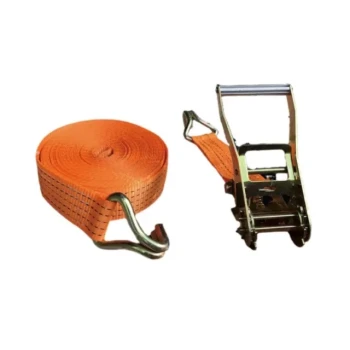
- Heavy Duty Ratchet Hive Strap
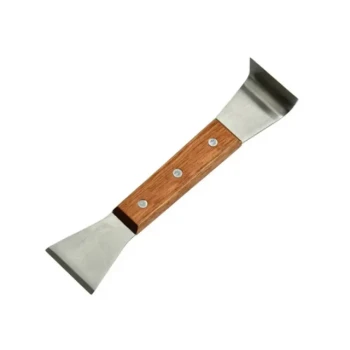
- Professional Dual-End Stainless Steel Hive Tool for Beekeeping
People Also Ask
- Why is the Auto Flow Beehive considered better for the bees? Discover the Benefits of Stress-Free Honey Harvesting
- Is it possible to integrate traditional beekeeping practices with a Flow Hive? Blending Modernity with Stewardship
- What are the advantages of using an Auto Flow Hive? Experience Gentle, On-Tap Honey Harvesting
- What are the challenges of using a Flow Hive in the UK? Expert Solutions for Climate and Flora Management
- What is a Flow Hive and what are its primary benefits? Revolutionize Your Honey Harvesting Efficiency