Toggle Categories
Get Instant Support
Choose your preferred way to connect with our team
-
Get Free Quote Fill out form for detailed pricing
-
Send Email Detailed inquiry support
-
WhatsApp Quick mobile chat
Response Time
Within 8 hours on working days, 24 hours on holidays





Honey Processing Equipment

Economy Small Honey Filling Machine Honey Bottle Filler Packaging Machine
Item Number: HFM-4P

Honey Convey Pump Screw Honey Pump for Viscous Liquid
Item Number: HCP-1

Semi Automatic Small Honey Bottle Filling Machine Honey Filler
Item Number: HFM-5

Automatic Honey Filling and Filtering Machine for Beekeeping Bottle Filling
Item Number: HFM-6

Small Honey Filling Machine Sachet Packing Equipment Single Nozzle
Item Number: HFM-6P

Pneumatic Paste Filling Machine Bottling Packaging Machine Single Nozzle
Item Number: HFM-1

Fully Automatic Honey Filling Packaging Machine for Processing Line
Item Number: HFM-8

Honey Stick Filler Vertical Paste Sachet Packing Machine for Honey Sachets
Item Number: HFM-9

Honey Convey Pump Economy Gear Pump for Viscous Liquid
Item Number: HCP-2

High Quality Honey Dehumidifier Dryer Thickening Machine for Beekeeping
Item Number: HD-1

Economy Small Scale Honey Dryer Dehumidifier Thickening Machine
Item Number: HD-2

Economy Honey Homogenizer Mixer and Melting Machine for Beekeeping
Item Number: HM-1




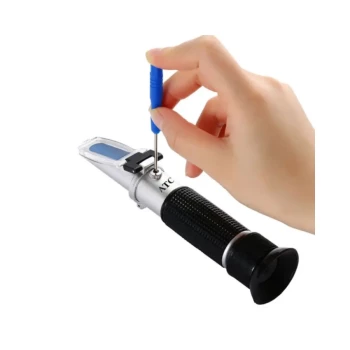
Precision Honey Refractometer Instrument for Quality Assessment
Item Number: HR-1


Inverted Squeezable Honey Jar with No Drip Flip Top Cap for Easy Pouring
Item Number: PHJ-1

Classic Honey Bear Jars with Flip Top Dispensing Cap for Liquid Sweeteners
Item Number: PHJ-2
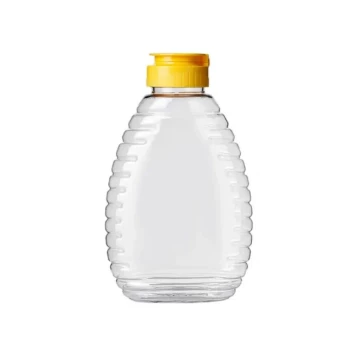
Squeezable No-Drip Beehive-Shaped Honey Jars with Flip-Top Cap
Item Number: PHJ-3
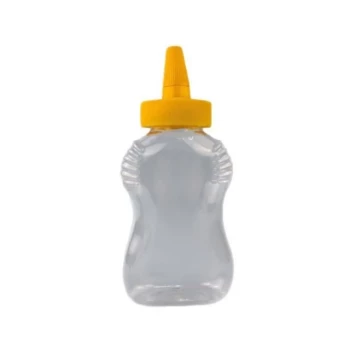
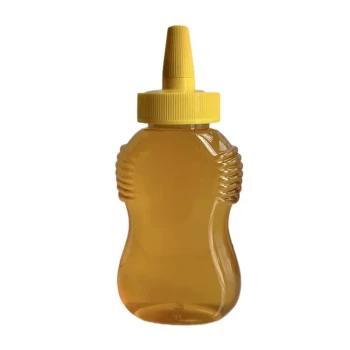
Ergonomic Squeezable Honey Bottle with Precision Twist Nozzle Cap
Item Number: PHJ-7
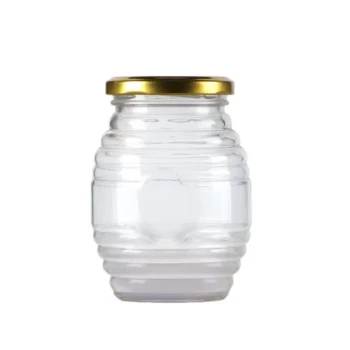
Classic Glass Honey Jar with Metal Lug Cap for Beehive Storage
Item Number: GHJ-1
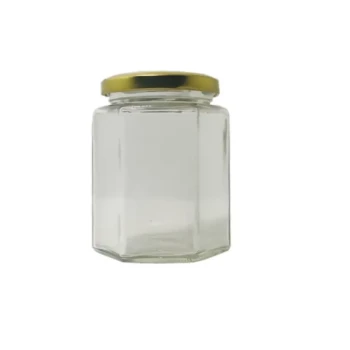
Hexagonal Glass Honey Jars with Metal Lug Caps Elegant Versatile Packaging
Item Number: GHJ-2
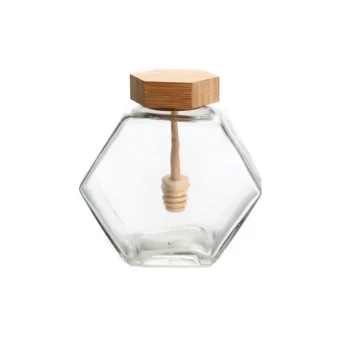

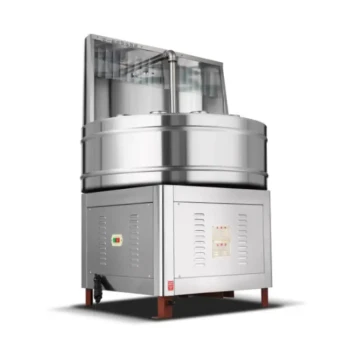
Commercial Rotary Honey Filling Machine for Production
Item Number: HFM-8X

Precision Durable Efficient HONESTBEE Rotary Honey Filling Machine
Item Number: HFM-9X
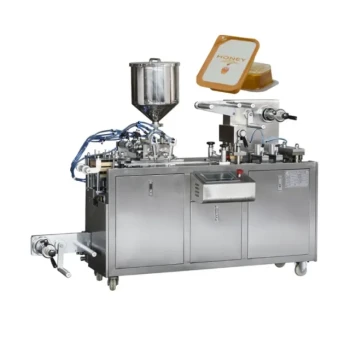
Professional Durable Customizable Blister Packing Machine
Item Number: HFM-12

REQUEST A QUOTE
Our professional team will reply to you within one business day. Please feel free to contact us!
Related Articles
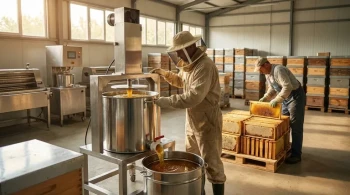
Scaling Honey Production: Industrial Pressing vs Traditional Extraction for Commercial Apiaries
Compare industrial honey presses vs traditional extraction for commercial apiaries. Boost efficiency, reduce labor costs, and maintain quality at scale.
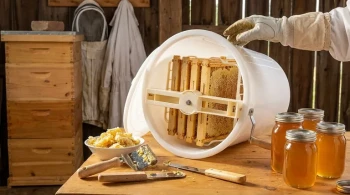
How to Extract Honey Safely Without Damaging Equipment or Hives
Professional honey extraction techniques to maximize yield while protecting combs and hive health. Learn damage-free harvesting and sustainable hive management.
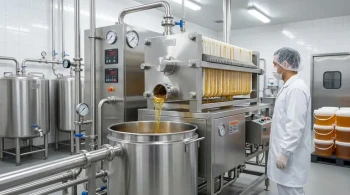
How Professional Honey Filtration Preserves Quality While Meeting Food Safety Standards
Learn professional honey filtration techniques that preserve quality while meeting food safety standards for commercial beekeepers.
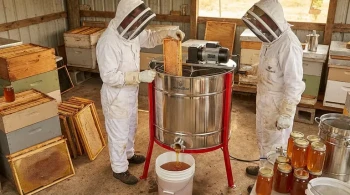
How to Choose the Right Honey Processing Method for Your Apiary
Learn how to choose the best honey processing method for your apiary—balancing quality, efficiency, and budget for small to large-scale operations.
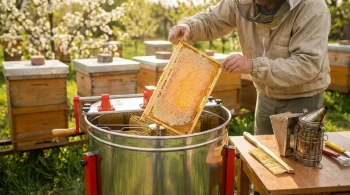
How to Harvest Honey Ethically: Bee-Friendly Techniques for Healthy Colonies
Learn ethical honey harvesting techniques to protect bee colonies while maximizing yield. Discover comb readiness tests, bee-friendly removal methods, and post-harvest care.
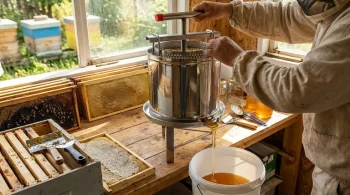
How Honey Screw Presses Solve Hygiene, Durability, and Efficiency Challenges for Small Beekeepers
Modern honey screw presses enhance hygiene, durability & efficiency for small beekeepers with stainless steel designs and space-saving features.
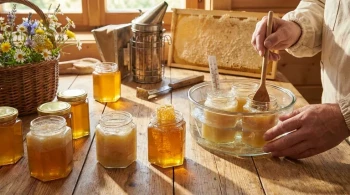
How to Manage Honey Crystallization Without Compromising Quality
Learn how to manage honey crystallization naturally while preserving quality. Discover safe decrystallization methods and storage tips for beekeepers.
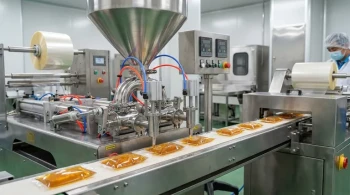
How Small Bag Honey Packaging Machines Solve Industry-Specific Challenges
Specialized small bag honey packaging machines ensure quality, efficiency, and scalability for modern honey producers. Learn how they solve industry challenges.
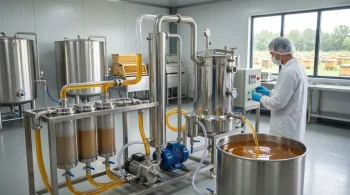
How Honey Filtration Technology Impacts Compliance and Market Value
Learn how modern honey filtration technology ensures compliance, preserves quality, and boosts market value for commercial producers.
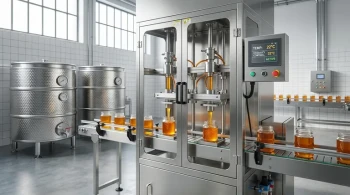
How Advanced Honey Packaging Preserves Quality & Maximizes Profits for Beekeepers
Discover how advanced honey packaging preserves quality, prevents waste, and boosts profits for beekeepers with insulated barrels and precision tech.
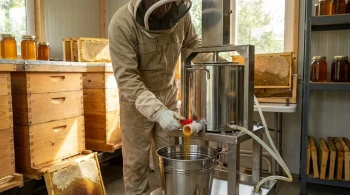
How Honey Pumps Protect Quality and Adapt to Modern Beekeeping Needs
Discover how honey pumps preserve quality and boost efficiency in modern beekeeping. Learn about gentle transfer, temperature control, and scalable flow rates.
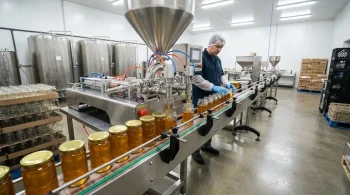
How to Choose the Best Honey Filling Machine for Your Production Needs
Learn how to choose the best honey filling machine for your production needs—viscosity handling, output demands, and budget considerations.
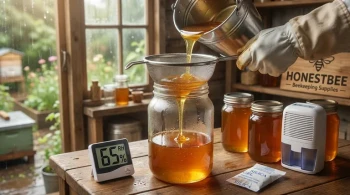
How Humidity Alters Honey’s Flavor and Practical Ways to Preserve It
Learn how humidity affects honey's flavor and discover practical storage solutions to preserve its quality for beekeepers and enthusiasts.
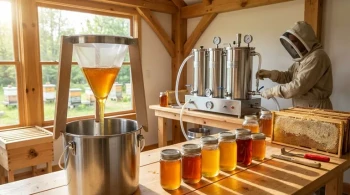
How to Choose the Right Honey Filter for Your Beekeeping Operation
Learn how to choose the right honey filter for beekeeping—compare mesh vs. multi-stage filters for purity, efficiency, and cost.
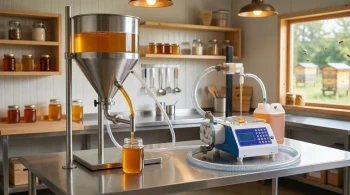
How to Choose Between Gravity and Pump Feeding for Honey Filling Systems
Compare gravity vs. pump honey filling systems for viscosity handling, speed, and scale. Choose the right method for artisan or commercial production.
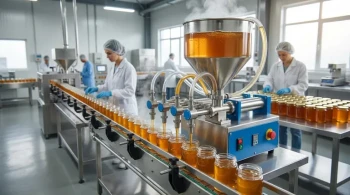
How Piston Filling Machines Solve Honey Packaging Challenges with Precision and Efficiency
Piston filling machines solve honey packaging challenges with precision, efficiency, and scalability for commercial producers. Learn how they outperform alternatives.
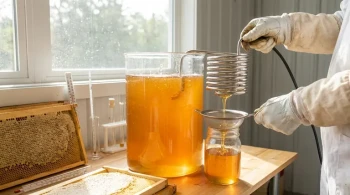
How Honey Filtration Machines Preserve Natural Quality and Boost Beekeeper Profits
Learn how honey filtration machines preserve enzymes and boost profits by maintaining raw honey's natural quality without heat damage.
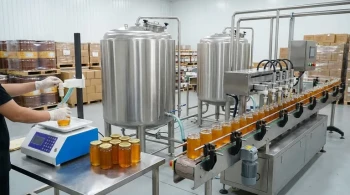
How to Choose Between Semi-Automatic and Automatic Honey Fillers for Optimal ROI
Compare semi-automatic vs. automatic honey fillers for ROI: production scale, cost savings, and scalability guide for apiaries.
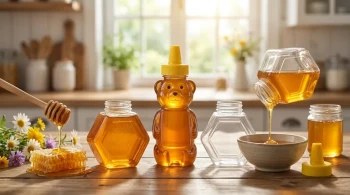
Why Honey Bear Packaging Wins: Psychology, Functionality, and Safety Behind Its Enduring Appeal
Discover why honey bear packaging wins with psychology, functionality, and safety—boosting sales and consumer appeal.
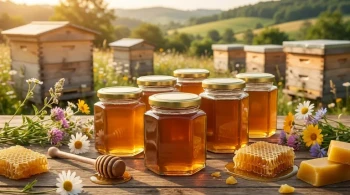
How Glass Jars Preserve Honey Purity While Supporting Sustainable Beekeeping
Discover why glass jars are the best for preserving honey purity and supporting sustainable beekeeping practices. Learn the science and benefits.